# Iran at a Crossroads: Escalating Unrest, Diplomatic Shifts, and Strategic Risks in 2024
As 2024 unfolds, Iran stands at a critical juncture characterized by escalating domestic unrest, shifting diplomatic efforts, and mounting regional and global tensions. The interplay of internal resistance, external sanctions, covert digital warfare, and military posturing paints a complex picture of a nation grappling with its survival amid profound challenges. Recent developments underscore both cautious diplomatic openings and heightened risks of escalation, illustrating Iran’s precarious position on the international stage.
---
## Persistent Domestic Unrest: Society’s Resilience Amid Repression
Since late 2023, Iran has been embroiled in widespread protests ignited by dire economic conditions—including soaring inflation, record unemployment, and fuel shortages—that have morphed into broader calls for **political reform, civil liberties, and government accountability**. Human rights organizations estimate that **over 6,000 deaths** have resulted from the regime’s brutal crackdown, with thousands detained—including journalists, activists, and students.
The regime continues to frame the unrest as **“foreign-backed sabotage,”** accusing Western powers like the United States and Israel of fomenting disorder. This narrative serves to **foster nationalist sentiment**, justify **harsh repression**, and implement measures like **internet blackouts**—a tactic that severely hampers protest coordination and information flow.
**Digital infrastructure remains a focal point in the conflict:**
- Authorities have executed **widespread internet blackouts**, causing **daily economic losses estimated at $42 million**. These disruptions affect underground markets, financial transactions, and illicit revenue streams such as Bitcoin mining.
- Despite these measures, resilient youth-led civil society groups utilize **VPNs and encrypted channels** to organize protests and share information covertly. This underground activism signifies deep societal tensions unlikely to dissipate quickly, even amid repression.
Experts emphasize that Iran’s unrest is rooted in **deep socio-economic grievances intertwined with revolutionary history**. The societal mood oscillates between **fear, anger, and hope**, suggesting protests could persist or even intensify unless substantial reforms are enacted. Continued repression risks **fueling radicalization** and **prolonged unrest**, especially as economic despair deepens public frustration.
---
## Economic and Digital Warfare: Sanctions, Revenue Decline, and Connectivity Costs
External pressures persist in constricting Iran’s economy:
- **Sanctions targeting oil exports, shipping, and banking sectors** remain in effect, sharply reducing Iran’s primary revenue sources. Recent measures have intensified efforts to **curb clandestine oil deals and shipping**, further squeezing Iran’s financial capacity.
- The regime’s **digital infrastructure**, especially **internet blackouts**, inflicts severe economic costs—**estimated losses of $42 million daily**—and hampers underground markets and covert revenue channels like **Bitcoin mining**.
A notable vulnerability has emerged in Iran’s **covert digital revenue streams**. Recent data indicates a **sharp decline in Iran’s Bitcoin hashrate**, signaling a weakening of its clandestine digital infrastructure. This decline hampers the regime’s ability to sustain internal security operations and regional proxy activities, raising concerns about Iran’s resilience amidst ongoing sanctions and economic hardship.
Public sentiment reflects widespread frustration. Media outlets like DW emphasize that **blame for hardships primarily rests on sanctions and repression**, fostering skepticism about economic recovery or meaningful reform. These frustrations perpetuate unrest and complicate stabilization efforts.
---
## Diplomatic Shifts: Toward a Possible Cooling of Tensions
Amid escalating pressures, diplomatic efforts have gained renewed traction:
- Negotiations in Geneva and Oman suggest **tangible progress**, with Iranian officials describing recent talks as a **“good start”** and indicating **“progress on nuclear issues.”**
- Reports indicate that Iran and the U.S. have **reached an “understanding on guiding principles,”** potentially setting the stage for **restoring the JCPOA** framework involving **reciprocal sanctions relief and nuclear commitments**.
A **video from Geneva** captures Iranian and U.S. representatives engaging in constructive dialogue, signaling a **willingness to re-engage diplomatically**. Both sides appear to be **moving toward common ground**, with commitments that could **stabilize internal unrest** and **ease regional tensions** if negotiations are successful.
Iranian Foreign Minister **Abbas Araghchi** reaffirmed the importance of **“sovereign rights over uranium enrichment,”** emphasizing that negotiations should be **“independent of Israeli influence.”** Such signals of diplomatic openness could **reduce domestic dissent** and **calm regional fears**—but the process faces significant hurdles.
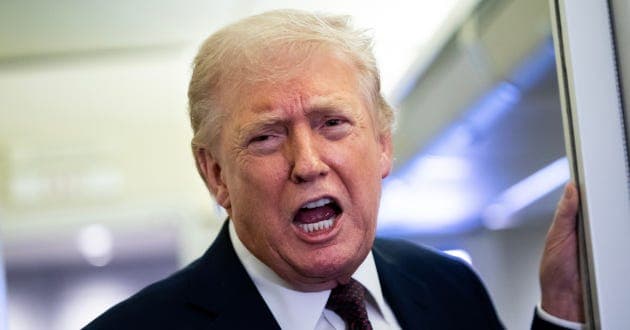
Adding urgency, **former U.S. President Donald Trump** recently suggested Iran has **“10 to 15 days”** to reach an agreement, aiming to **accelerate negotiations** or risk a crisis. This deadline heightens the potential for **miscalculations or escalation** if talks break down or progress stalls. Iran insists negotiations focus **solely on nuclear issues**, whereas the U.S. seeks broader concessions, complicating diplomatic efforts.
---
## Military Signaling and Escalation Risks
Despite diplomatic overtures, Iran’s military posture remains assertive:
- The **IRGC** recently unveiled **underwater missile tunnels** near the Strait of Hormuz, housing **long-range cruise missiles** capable of threatening regional shipping lanes.
- Iran conducted **maritime drills**, including **live-fire exercises** in strategic locations like the Strait, serving as demonstrations of resilience and deterrence.
- The regime announced the **temporary closure of the Strait of Hormuz** for live-fire exercises, underscoring its capacity to **disrupt regional shipping** and exert pressure during negotiations.
In response, the U.S. and Israel have increased military readiness:
- The **deployment of a second aircraft carrier** to the Persian Gulf signals heightened alertness.
- **Intelligence reports indicate increased activity among Iranian proxies** in Lebanon, Syria, Yemen, and Iraq, raising fears of regional escalation—especially if provocations or accidental clashes occur.
Recent clashes involving Iranian-backed militias and security forces highlight the **fragile regional stability**. The risk of **miscalculation or unintended escalation remains high**, with the potential for a broader conflict if provocations spiral out of control.
---
## External Influences and Regional Strategic Calculus
**Israel’s stance remains pivotal**:
- According to analyses like the **Stimson Center report**, Israel views Iran’s nuclear and military capabilities as an **existential threat**.
- Israel favors **preventive or preemptive military measures**, including possible strikes if diplomatic efforts fail.
- Recent Israeli intelligence assessments point to **Iran’s progress in missile development and underground facilities**, heightening the sense of urgency.
However, Israel recognizes the **risks associated with escalation**, including regional conflict and global economic fallout. Many regional actors prefer **containment and diplomacy**, though the potential for miscalculation persists.
**New insights reveal Iran’s strategic calculus:**
- Iran’s leadership perceives **risk as a tool** rather than a deterrent, often opting to **test the limits of Western patience** and regional stability.
- A recent report titled **“Iran's Strategic Gamble: Why Tehran Prefers Risk Over Concession”** emphasizes that Iran believes **taking bold risks**—such as military provocations or economic defiance—**serves its broader goals** of asserting sovereignty, gaining leverage in negotiations, and deterring foreign intervention.
---
## Intelligence and Expert Assessments: Risks of Conflict and Escalation
The **February 2026 operational update** from the **Institute for the Study of War (ISW)** underscores Iran’s **continued military buildup**:
- Iran has reinforced **military infrastructure in Syria and Iraq**, deploying **special forces and missile units**.
- Iranian-backed militias are **arming and training**, seeking to **expand influence and capabilities**.
- The report warns that **coordinated attacks** against U.S. and allied interests could be **imminent**, especially if negotiations collapse.
U.S. intelligence highlights that a **military strike**, particularly targeting nuclear infrastructure, could **prompt proxy retaliation** and trigger a wider conflict. The stakes are high, with **regional destabilization** and **global economic repercussions** as potential costs.
---
## Current Status and Future Outlook
Recent footage and reports from outlets like **BBC, Al Jazeera, and Reuters** suggest **some headway** toward a nuclear deal. If Iran and the U.S. can bridge their differences, **diplomatic breakthroughs** could **reduce unrest and regional tensions**, revitalizing economic prospects.
However, the **tight deadline** imposed by Trump’s warning—“10 to 15 days”—amplifies the risk of **missed opportunities or miscalculations**. Failure to reach an agreement, combined with continued military provocations, could **deepen unrest** and **ignite broader conflict**.
### Implications:
- **Successful diplomacy** could **de-escalate internal unrest**, restore regional stability, and reopen economic channels.
- **Failure or escalation** might **widen the crisis**, risking **regional war** and significant global economic disruption.
**The coming weeks** are pivotal. The international community’s ability to facilitate negotiations, exercise strategic restraint, and monitor military activities will determine whether Iran navigates this turbulent period toward stability or descends further into chaos with unpredictable consequences.
---
## New Perspective: Iran’s Strategic Gamble—Why Tehran Prefers Risk Over Concession
A recent detailed analysis titled **“Iran's Strategic Gamble: Why Tehran Prefers Risk Over Concession”** reveals Iran’s deliberate choice to **embrace calculated risks** rather than seek immediate concessions. Iranian leaders perceive **risk as a strategic tool**—a way to **maximize leverage** while avoiding outright surrender. This approach involves **testing Western resolve** through provocative military actions, economic defiance, and diplomatic ambiguity, aiming to **reshape the regional and global landscape** in Tehran’s favor.
Iran’s leadership believes that **taking bold risks**—such as threatening to close the Strait of Hormuz, expanding missile tests, or intensifying support for proxies—**raises the stakes** for adversaries and **forces concessions**. They see **risk-taking as a form of strategic patience**, betting that **external pressures will eventually force their opponents to accept Iran’s terms** or at least **delay intervention**.
This gamble remains perilous, as miscalculations could **spark wider conflicts**, but Tehran’s leadership remains confident that **their strategic risk calculus** offers better prospects than unpalatable concessions. As tensions mount, understanding this **high-stakes gamble** is crucial for policymakers aiming to navigate Iran’s complex strategic landscape.
---
**In conclusion**, Iran’s situation in 2024 is marked by a delicate balance between internal dissent, external sanctions, diplomatic negotiations, and military posturing. While some progress is evident, the overarching risks—both of internal instability and regional conflict—remain high. The next few weeks will be decisive in determining whether diplomacy can overcome entrenched risks or whether Iran’s strategic gamble will propel the region into deeper chaos.