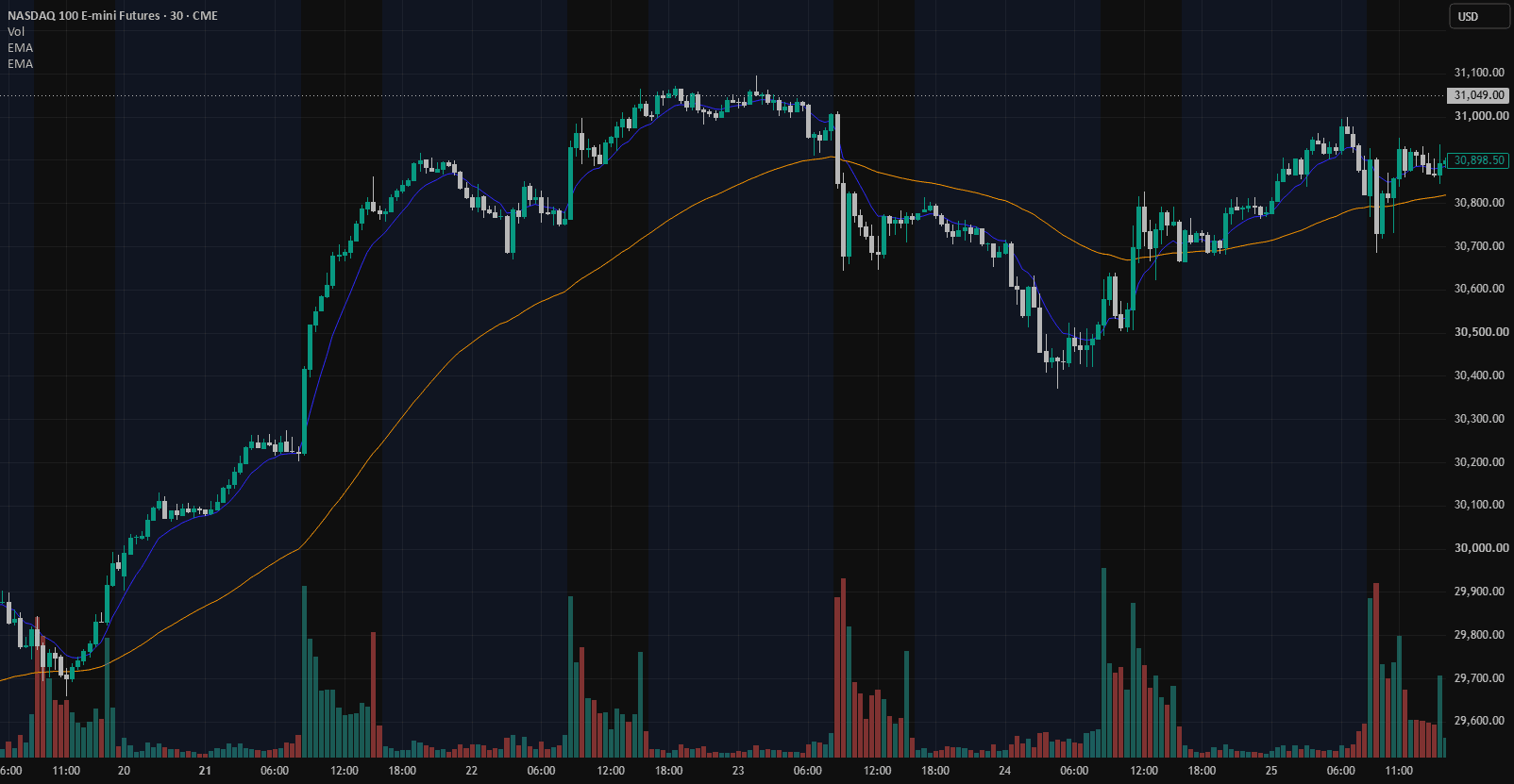
Bitcoin remains locked in a tight trading range between **$66,000 and $72,000**, as a complex interplay of macroeconomic headwinds, fragmented institutional flows, concentrated whale activity, and evolving derivatives market dynamics continues to dictate price action. Recent developments, including a surge in BlackRock’s Bitcoin Trust inflows and an unprecedented **$7.8 billion Bitcoin options expiry** on the horizon, have intensified market scrutiny, underscoring the fragility and nuance of current liquidity and risk regimes.
---
### Persisting Macro Uncertainty and Safe-Haven Flows Anchor Bitcoin’s Consolidation
The macro backdrop remains a dominant force restraining Bitcoin’s breakout attempts above $70,000:
- The **U.S. fiscal debate remains unresolved**, with ongoing budget negotiations fueling investor caution. The Federal Reserve’s data-dependent, patient interest rate policy has yet to provide a clear directional signal, reinforcing risk-off sentiment among institutional investors.
- **Geopolitical tensions**, particularly persistent U.S.–Iran frictions, continue to drive capital towards traditional safe havens like the U.S. dollar and gold, diverting funds from risk assets such as Bitcoin.
- This macro environment underpins fragmented institutional flows and risk-averse positioning, suppressing sustained upward momentum.
---
### Institutional Flow Fragmentation Persists Amid Episodic BlackRock Bitcoin Trust Inflows
Institutional flows continue to be volatile and fragmented, reflecting broader uncertainty:
- Despite a notable **$88.1 million inflow into BlackRock’s IBIT spot Bitcoin ETF on February 21**, the broader trend remains heavily negative, with net outflows exceeding **$3.8 billion over five consecutive weeks** across spot Bitcoin ETFs.
- This episodic inflow highlights BlackRock’s growing leadership in institutional product adoption but has not yet catalyzed a sustained price breakout.
- The **Coinbase Bitcoin Premium Index remains negative for 33 consecutive days**, signaling persistent liquidity stress and fragmented demand on regulated spot venues.
- Off-ETF accumulation continues quietly via Coinbase and BlackRock custody channels that remain opaque to the broader market, indicating strategic reserve-building by sophisticated investors.
- Coinbase’s custodial dominance is critical, holding over **80% of U.S. Bitcoin and Ethereum ETF assets**, solidifying its role as a primary liquidity and price-discovery hub.
---
### Whale Concentration and Stablecoin Migrations Drive Liquidity Fragmentation and Volatility
Whale activity has intensified, particularly on centralized exchanges like Binance, further fragmenting liquidity and amplifying intraday volatility:
- The **top 10 whale wallets now control approximately 64% of all Bitcoin inflows to centralized exchanges**, the highest concentration since 2015.
- Significant whale transactions include Garrett Jin’s near-simultaneous **5,000 BTC (~$335 million) inflow to Binance following the unwinding of a $250 million position**, exemplifying large-scale capital rotations.
- An “OG” whale liquidated nearly **60% of an 11,318 BTC transfer into Binance**, followed by stablecoin withdrawals totaling approximately **$464 million** across multiple addresses, signaling substantial profit-taking and capital flight.
- Multiple days have recorded **Binance whale inflows exceeding 8,000 BTC**, causing episodic liquidity surges that disrupt order book depth and exacerbate price swings.
- Binance’s SAFU reserve has expanded beyond **6,230 BTC (~$437 million)** after $1 billion in asset conversions, providing a crucial liquidity buffer amid volatile flows.
- Centralized exchange **stablecoin reserves have contracted by 14% over the past three months—from $75 billion to $64.5 billion—tightening liquidity cushions and elevating systemic risk.**
- The migration of stablecoins from centralized exchanges to DeFi protocols continues, with a significant **$700 million USDT transfer from HTX to the Aave DeFi protocol**, further fragmenting liquidity sources.
- Sophisticated whale wallets such as “pension-usdt.eth” have executed nuanced leveraged rotations, reopening BTC and ETH long positions with realized profits of approximately **$1.46 million**, reflecting tactical sentiment shifts rather than purely directional bets.
- After five years of dormancy, a whale reactivated by depositing **1,000 BTC (~$6.76 million) to Bitfinex**, realizing estimated profits of **$38.35 million**, signaling renewed long-term holder engagement amid episodic volatility.
---
### Derivatives Market Dynamics: Bearish Funding, Compressed Volatility, and a Massive $7.8 Billion Options Expiry
The Bitcoin derivatives landscape remains a crucible of latent volatility and complex positioning:
- Funding rates have turned **moderately negative**, indicating a bearish bias but also paradoxically setting the stage for short squeezes by incentivizing short sellers.
- Futures open interest has contracted sharply from **$61 billion to $49 billion within a single week**, reflecting rapid deleveraging and cautious positioning amid uncertainty.
- The **perpetual futures long/short ratio remains near equilibrium (~50/50)**, underscoring a balanced but fragile market sentiment.
- Concentrated liquidation clusters persist, including:
- Approximately **$883 million in short liquidations between $71,000 and $72,000**, a key resistance zone.
- Around **$957 million in long liquidation risk below $66,000**, representing critical support.
- A looming **$600 million potential short liquidation near $70,000**, a critical inflection point with significant short-squeeze potential.
- Implied volatility remains compressed near **48%**, providing some relief but maintaining substantial gamma risk within options markets.
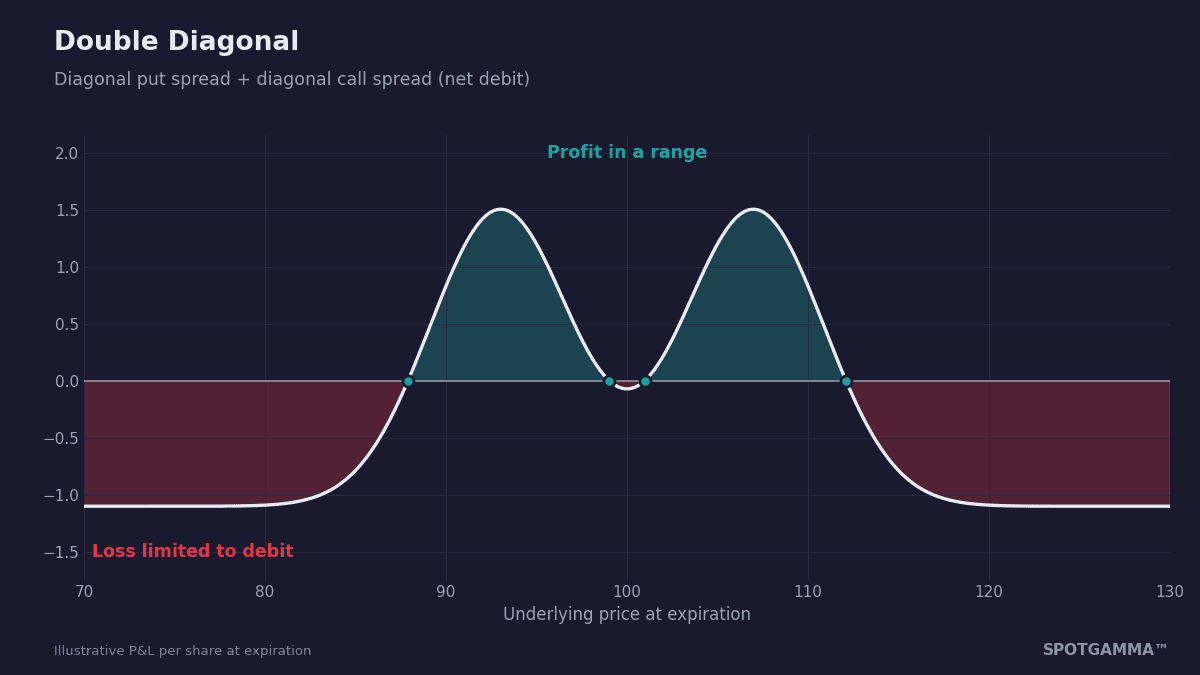
- Most notably, the market is bracing for a **massive $7.8 billion Bitcoin options expiry** in the near term, part of a broader total of **$10.5 billion in Bitcoin options expiring soon**. This cluster includes a significant **$2 billion expiry concentrated around the $40,000 strike**, well below the current spot price but capable of injecting episodic volatility through gamma pinning and expiry-driven hedging flows.
- The combined Bitcoin and Ethereum options open interest now exceeds **$11 billion**, amplifying potential cross-asset volatility contagion risks.
- The February 20 volatility spike, where Bitcoin surged from $66,000 to $68,000 in 15 minutes—liquidating a **40x leveraged short position**—remains a vivid reminder of the market’s latent derivatives-driven volatility.
---
### Market Microstructure and Infrastructure Innovations Reshape Liquidity and Hedging
Recent infrastructure shifts are reshaping market microstructure and hedging strategies:
- Binance’s launch of **OPN USDT perpetual contracts with extended pre-market trading since February 21** has broadened derivatives trading hours, increasing intraday liquidity but concentrating liquidation risk during extended sessions.
- The **CME Group’s upcoming launch of 24/7 continuous Bitcoin and Ethereum futures and options trading on May 29, 2024**, marks a landmark regulatory and market development. This framework is expected to:
- Mitigate overnight price gaps and reduce intraday volatility spikes.
- Enable seamless hedging and arbitrage across global time zones.
- Deepen liquidity pools and expand institutional participation.
- Despite these benefits, venue-specific liquidity fragmentation and imbalances are expected to persist, necessitating adaptive multi-venue risk management.
- Ethereum’s derivatives market is showing early signs of divergence:
- Funding rates have flipped **positive for the first time in months**, sparking speculation of a potential rally toward **$2,500**.
- Rising Ethereum implied volatility and favorable funding raise the prospect of **cross-asset contagion**, where heightened ETH derivatives activity could amplify Bitcoin volatility through correlated positioning.
---
### Recommended Market Strategies Amid Heightened Complexity
Given the intricate and evolving landscape, market participants should prioritize:
- **Multi-venue surveillance** to monitor whale transfers, liquidation clusters, funding rate divergences, and stablecoin liquidity shifts across centralized and decentralized platforms.
- **Liquidity mapping tools** to anticipate episodic squeezes, fragmented order book depths, and transient liquidity vacuums.
- Adoption of **options-aware hedging**, factoring in large upcoming expiries and gamma exposures, leveraging systematic premium capture and dynamic delta hedging to mitigate nonlinear risks.
- Implementation of **adaptive risk controls** sensitive to shifts in funding regimes, expiry-driven flows, and microstructure innovations such as 24/7 continuous trading.
- Vigilant monitoring of **Ethereum funding and volatility dynamics** to assess and mitigate potential cross-asset spillovers that could exacerbate Bitcoin price swings.
---
### Key Metrics Snapshot
| Metric | Latest Data / Notes |
|-----------------------------------|------------------------------------------------------------|
| Bitcoin CEX Whale Concentration | 64% of BTC inflows controlled by top 10 wallets |
| Binance Whale Inflows | Multiple days >8,000 BTC inflows; Garrett Jin’s 5,000 BTC inflow |
| OG Whale Stablecoin Withdrawal | ~$464M withdrawn after selling ~60% of 11,318 BTC transfer |
| Dormant Whale Reactivation | 1,000 BTC deposited to Bitfinex after 5 years; ~$38.35M profit |
| Whale ‘pension-usdt.eth’ | Reopened leveraged BTC & ETH longs; $1.46M profit realized |
| Binance SAFU Reserves | 6,230+ BTC (~$437M) after $1B asset conversion |
| Centralized Exchange Stablecoins | Declined 14% over 3 months (from $75B to $64.5B) |
| $700M USDT Transfer | HTX to Aave DeFi protocol stablecoin migration |
| Institutional ETF Flows | $88.1M inflow Feb 21; 5 weeks net outflows ~$3.8B |
| Coinbase Custody Dominance | >80% of U.S. BTC & ETH ETF assets |
| Crypto Fund Flows | 4 weeks outflows totaling $3.74B |
| Binance OPN USDT Pre-Market Perpetual | Launched Feb 21; extended trading hours |
| CME 24/7 Crypto Derivatives Launch | May 29, 2024; continuous trading framework |
| Bitcoin Options Expiry | $7.8B imminent expiry; $2B clustered at $40K strike |
| Short Liquidation Cluster | $883M between $71K–$72K resistance zone |
| Long Liquidation Risk | $957M below $66K support level |
| Looming Short Squeeze Risk | $600M potential short liquidation near $70K |
| Funding Rates | Moderately negative; bearish divergence |
| Futures Open Interest | Contracted from $61B to $49B in one week |
| Perpetual Futures Long/Short Ratio| Near 50/50 equilibrium |
| Coinbase Bitcoin Premium Index | 33 consecutive days negative |
| Ethereum Short Liquidation Risk | $652M if ETH > $2,100; $506M long liquidation risk if ETH < $1,900 |
---
### Conclusion
Bitcoin’s extended consolidation within the **$66,000–$72,000 range** encapsulates a delicate equilibrium shaped by persistent macroeconomic uncertainty, fragmented institutional flows, concentrated whale rotations, and a derivatives market fraught with latent short-squeeze and gamma risks. The recent surge in BlackRock’s Bitcoin Trust inflows provides a beacon of institutional confidence, but the looming **$7.8 billion Bitcoin options expiry** and continued shrinkage of centralized exchange stablecoin reserves amplify episodic volatility risks.
Simultaneously, evolving market microstructure innovations, such as Binance’s extended-hour perpetual contracts and CME’s imminent 24/7 derivatives trading launch, are reshaping liquidity patterns and hedging dynamics, demanding adaptive, multi-venue risk frameworks.
Market participants who integrate **multi-venue monitoring, liquidity mapping, options-aware hedging, and adaptive risk controls**—while vigilantly tracking Ethereum’s funding and volatility dynamics—will be best positioned to navigate systemic fragility and capitalize on emerging arbitrage and directional opportunities amid continuing uncertainty and episodic volatility shocks in the months ahead.