Small-space urban gardening continues to evolve as an indispensable strategy for enhancing food security, environmental sustainability, and community well-being within increasingly dense cityscapes. Recent developments have enriched foundational practices—such as season extension, container innovation, soil health, and chemical-free pest management—by introducing advanced techniques tailored to unpredictable climates, spatial constraints, and holistic ecosystem care. These innovations deepen the urban gardener’s toolkit, especially in winter adaptations, microbial soil vitality, pest vigilance, and beginner-friendly guidance, enabling year-round productivity and resilient green spaces even in the smallest urban plots.
---
### Reinforced Season Extension and Winter Planning: Low-Energy, Adaptable Strategies for Climate Variability
Season extension remains a cornerstone of urban food production, especially as climate unpredictability brings more frequent temperature swings and unexpected frosts. The time-tested **winter sowing method**—planting hardy seeds directly outdoors inside translucent recycled containers—remains popular for its simplicity and energy efficiency. This technique naturally stratifies seeds and provides frost protection without requiring artificial heat or grow lights.
Building on this, gardeners now emphasize **layered insulation** strategies using natural fibers (straw, wool) combined with recycled plastics to create thermal buffers around containers and cold frames. These materials trap heat and moderate temperature fluctuations, protecting roots and seedlings during cold snaps.
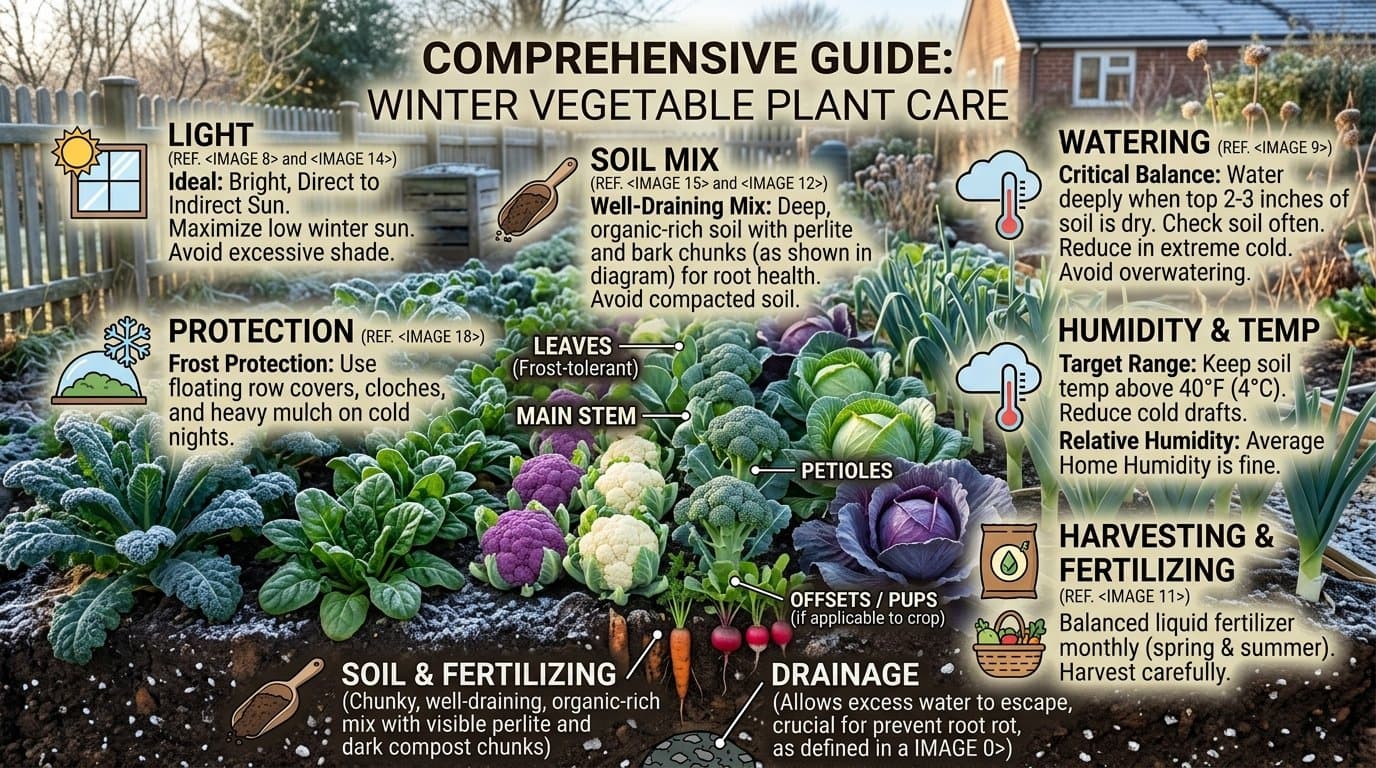
**Flexible frost covers** such as lightweight row covers, insulated cloches, and re-purposed fabrics can be rapidly deployed in response to forecasted freezes, providing an adaptable shield without heavy infrastructure. Moreover, **strategic microclimate placement**—situating pots near sun-warmed walls, under eaves, or clustered to retain heat—maximizes ambient warmth and shelter.
DIY cold frames, constructed from scrap wood, old windows, and insulating materials, remain a highly effective and affordable way to extend the growing season on balconies and rooftops. New **rapid recovery techniques** shared in online tutorials help gardeners rescue frost-damaged plants quickly, maintaining growth momentum despite freeze events.
Supplementing these tactics, detailed **month-by-month sowing guides** now include winter months, encouraging sowing of cold-hardy crops even in January. The video *“Sowing And Growing In January 2026 | Allotment Gardening UK”* exemplifies this trend by demonstrating how to start seedlings outdoors during the heart of winter, fostering continuous production despite short daylight and cold conditions.
---
### Expanded Container and Vertical Growing: Maximizing Space with Innovative Crops and Creative Designs
Urban gardeners are pushing container gardening boundaries with new systems and crops tailored for spatial efficiency and diversity:
- **Potato towers** and vertical root crop containers enable layering soil to grow calorie-rich tubers like potatoes, carrots, beets, and radishes vertically, saving valuable horizontal space.
- The adoption of **dwarf and determinate cultivars** of tomatoes, eggplants, and peppers—bred for compact growth—has surged, enabling bountiful harvests in small pots.
- Shade-tolerant leafy greens such as kale, mustard, and winter spinach thrive in less sunny urban corners, broadening site options.
- Exciting **small-space fruiting plants**, including mini melons and compact berries, diversify edible mixes and add seasonal interest.
- Upcycling initiatives continue to flourish, with pallets, crates, tires, and repurposed kitchenware transformed into tiered planters that marry aesthetics with productivity.
A notable trend is the rising popularity of **ornamental-edible plants**, such as pansies and violas, which offer vibrant color and edible blossoms. The video *“Planting Pansy & Viola Seeds for Our Spring Garden! 🌱🌸☀️ // Garden Answer”* showcases how these dual-purpose plants enhance container gardens visually and culinarily.
For beginners, new resources like *“Transform Your Yard with Small Garden Ideas for Beginners”* provide practical, accessible guidance on starting and designing small urban gardens, addressing common space and resource limitations with clear steps and creative solutions.
---
### Deepening Soil Health and Composting: Embracing Microbial Vitality and Circular Resource Cycles
Strong soil biology is fundamental to thriving urban gardens, particularly in containers where nutrients can quickly deplete. Recent advances emphasize microbial management and circular resource use to regenerate soil fertility sustainably:
- **Accessible soil testing kits** empower gardeners to monitor pH and nutrient profiles accurately, ensuring tailored amendments and avoiding hidden imbalances.
- Inspired by traditional Korean Natural Farming and JADAM methods, **sealed fermentation (anaerobic microbial extracts)** are gaining traction. These preparations harbor diverse beneficial microbes that outperform conventional aerobic compost teas in fostering soil vitality, as detailed in the video *“Why Sealed Fermentation Makes Stronger Soil Than Compost Tea Ever Could.”*
- The concept of **“infinite fertility”**—achieving ongoing soil improvement through microbial cycling and organic amendments—resonates with gardeners seeking sustainable, low-input fertility. This is explored in *“One Method Creates Infinite Soil Fertility — Why Did We Stop Using It?”*
- Circular amendments such as **wood ash** (rich in potassium and micronutrients), the **Rice Trick** (adding cooked rice or rice water to stimulate earthworms), and **leaf mold** (aged leaf matter that improves moisture retention and microbial habitats) reinforce soil health while minimizing waste.
- Organic liquid fertilizers made from **comfrey, molasses, and seaweed extracts** provide immediate nutrient boosts and feed beneficial microbes simultaneously.
- The issue of **soil degradation in reused containers** has drawn attention, with the article *“The Surprising Reason Your Soil Gets Worse Each Year”* highlighting the critical need for microbial replenishment and nutrient cycling rather than mere soil replacement.
- Urban composting practices are adapting to new local regulations (e.g., Vermont’s winter sorting rules), balancing compliance with the necessity of maintaining fertile compost inputs.
Together, these strategies create a regenerative soil ecosystem within containers, enhancing long-term productivity and resilience.
---
### Holistic Pest Management and Winter Vigilance: Chemical-Free Solutions for Balanced Urban Ecosystems
Chemical-free pest control is vital in urban gardens to safeguard human health and biodiversity. Current best practices integrate multiple strategies for a balanced approach:
- **Companion planting** with pest-repellent species such as marigolds, basil, and nasturtiums remains a frontline defense against aphids, mites, and other common pests.
- Creating habitats for **beneficial insects**—including ladybugs, lacewings, and parasitic wasps—supports natural pest suppression. Avoiding broad-spectrum pesticides preserves these allies.
- New plant-based deterrents like **mint and garlic** serve as non-toxic rodent repellents, addressing a common urban challenge.
- The use of **diatomaceous earth** has increased as an effective, environmentally safe option against a broad spectrum of pests, as explained in *“10 Garden Pests You Can Get Rid Of Using Diatomaceous Earth.”*
- For soil-dwelling pests such as ants, gentle, plant-safe interventions outlined in *“How to get rid of ants in plant soil without harming your plants”* emphasize soil health preservation while managing infestations.
- **Winter pest vigilance** is now prioritized, with regular inspection and sanitation of containers and garden beds to prevent overwintering pests that can proliferate in spring.
- These methods integrate into broader **Integrated Pest Management (IPM)** frameworks that synergize soil health, companion planting, beneficial insects, and botanical repellents for resilient ecosystems free from harmful chemicals.
---
### Practical Crop Care, Harvest Timing, and Layout Optimization: Enhancing Small-Space Productivity
Efficient crop care and spatial design are essential for maximizing yield in limited urban gardens:
- Clear **harvest timing** guidelines optimize flavor and texture:
- **Broccoli** is best harvested before flower buds open to ensure peak taste.
- **Beetroot** offers dual harvest options: young leaves as tender greens and mature roots for fuller flavor, though over-maturity leads to woody texture.
- **Carrots** should be harvested at optimal size to retain sweetness and avoid fibrousness.
- Common issues such as poor drainage, overwatering, insufficient light, and nutrient imbalances are addressed in troubleshooting guides to help gardeners avoid mistakes and foster plant health.
- Best practices for **drainage and watering** include using containers with sufficient drainage holes, employing soil mixes balancing moisture retention and aeration, and watering consistently but moderately to prevent root rot and nutrient leaching.
- The article *“7 Garden Layout Ideas That Fix Common Mistakes Instantly”* offers actionable small-space design tips such as grouping plants by water and light needs, incorporating vertical structures, practicing succession planting for continuous harvests, and ensuring accessible paths to minimize plant disturbance.
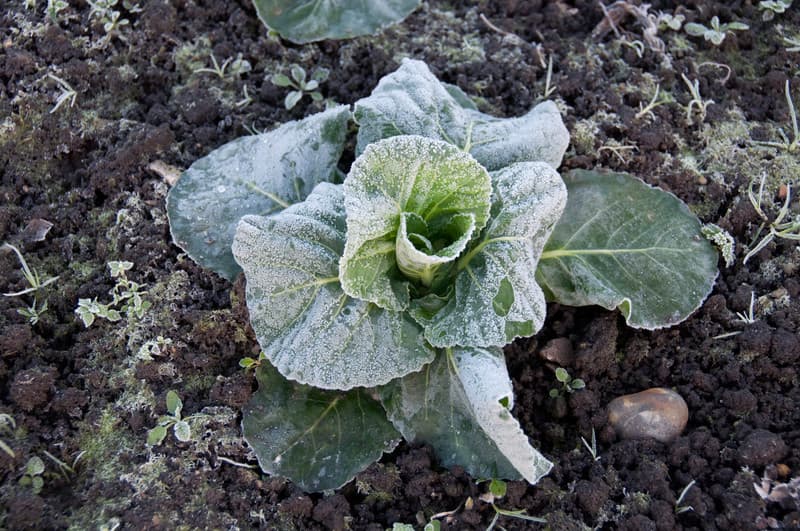
Additionally, new beginner-focused content such as the *“Freeze Survival Guide - Beginner Plant Tips”* provides practical advice for protecting plants from frost and freeze damage, empowering gardeners new to cold-season challenges.
---
### Broader Implications: Toward Sustainable, Resilient Urban Food Systems and Empowered Communities
The cumulative effect of these innovations signifies a transformative shift in urban agriculture:
- **Year-round production** through refined season extension, vertical cropping, compact cultivars, and shade-tolerant greens reduces reliance on distant food supply chains, improving resilience amid climate and economic uncertainties.
- Emphasis on **circular resource use**—upcycling containers, insulating with natural fibers, microbial soil management, and recycling wood ash—minimizes waste and chemical inputs, advancing environmentally responsible urban cultivation.
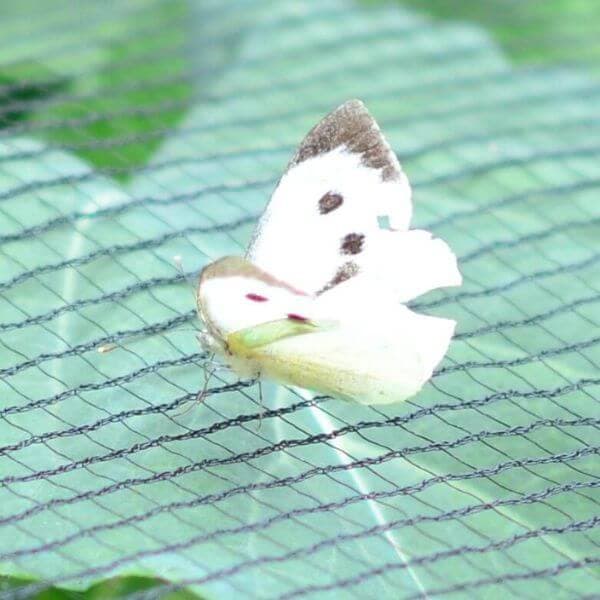
- **Chemical-free pest management** safeguards urban biodiversity and public health in close-quarter living environments.
- **Community knowledge sharing** via multimedia content, social media platforms, workshops, and urban agriculture networks democratizes access to innovations, fostering food sovereignty and collective resilience.
- New practical guides and engaging videos bridge theory and hands-on practice, making advanced techniques accessible to diverse audiences, including beginners.
Together, these trends position small-scale urban gardens as critical nodes of sustainability, creativity, and community empowerment—nurturing food security, ecological stewardship, and social well-being within city neighborhoods, one container at a time.
---
### Current Status and Outlook
Small-space urban gardening is at an exciting juncture. Low-energy season extension methods, expanded container and vertical growing systems, advanced soil microbiome management, and holistic pest control collectively equip urban growers to thrive despite modern challenges.
Complemented by improved crop care, optimized layouts, and beginner-friendly resources, these developments foster productive, resilient gardens that bring tangible benefits to urban dwellers worldwide. As this knowledge ecosystem continues to grow—amplified by engaging multimedia and community exchange—small urban gardens will increasingly serve as vital hubs for sustainable food production, ecological resilience, and neighborhood vitality in the 21st century and beyond.