Midlife women’s health is undergoing a transformative evolution in 2025, as emerging science redefines the timing, tools, and strategies for managing metabolic, musculoskeletal, and cardiometabolic risks. The traditional menopause-centric model is giving way to a **precision-based, sex-specific, and earlier intervention paradigm** that recognizes midlife—spanning the late 30s through mid-50s—as a critical window to intercept and modify health trajectories before irreversible decline sets in.
---
### Early Intervention Window: Metabolic and Cardiometabolic Changes Begin Sooner Than Expected
Recent landmark research, including the 2025 ScienceAlert report and the article *“Stages of menopause timeline what happens in each phase”*, confirms that **metabolic alterations often commence in the late 30s to early 40s**, well before menopause is clinically apparent. Key drivers of this early change include:
- **Visceral fat accumulation** fueled by declining estrogen levels and rising insulin resistance.
- Systemic inflammation and anabolic resistance, which accelerate muscle loss and reduce basal metabolic rate.
- Early perimenopausal weight gain emerging as a **strong predictor of future type 2 diabetes, cardiovascular disease, and metabolic syndrome**.
This evidence mandates a **paradigm shift from reactive, postmenopausal care to proactive prevention initiated in the late 30s or early 40s**, capitalizing on the gradual, multi-phased nature of menopause transitions to maximize intervention impact.
---
### Precision Screening: Multi-Modal, Sex-Specific Risk Detection
2025 advances emphasize a **layered, personalized screening approach** that enhances early detection of cardiometabolic and musculoskeletal risks in midlife women:
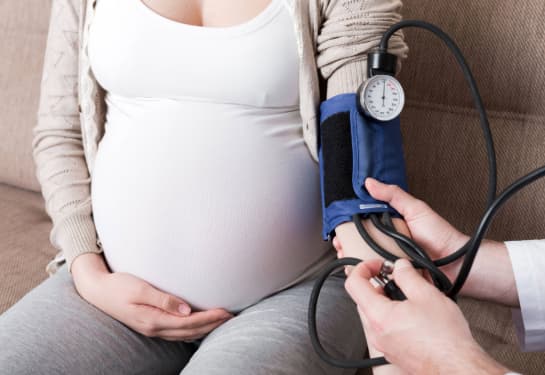
- **Routine metabolic panels** assessing lipids, blood pressure, fasting glucose, and insulin are now recommended starting in the late 30s to identify subtle metabolic dysregulation.
- **Coronary Artery Calcium (CAC) scoring** is increasingly utilized to stratify cardiovascular risk in women, addressing limitations of conventional calculators that often underestimate female risk.
- **Bone Mineral Density (BMD) testing during perimenopause** facilitates early recognition of accelerated bone loss and fracture risk, enabling timely osteoporosis prevention.
- A pioneering 2025 Penn State University study highlights the **opportunistic use of routine mammograms to detect incidental cardiac risk markers**, such as arterial and breast arterial calcifications (BAC). These noninvasive markers correlate strongly with cardiovascular disease risk and offer a novel dual-purpose screening avenue integrated into standard care.
- Educational resources, such as videos on abnormal bleeding patterns in perimenopause, enhance clinician and patient awareness, promoting timely evaluation and intervention.
This comprehensive screening arsenal allows for **earlier, more precise risk stratification and dynamic monitoring**, paving the way for truly personalized prevention and management.
---
### Lifestyle Optimization: A Balanced, Sustainable Foundation for Midlife Vitality
Lifestyle interventions remain the cornerstone of midlife health, with 2025 insights underscoring the necessity of **balance, personalization, and sustainability**:
- **Exercise**:
- **Resistance training (2–3 times weekly)** combats anabolic resistance, preserves muscle mass, maintains bone density, and supports functional independence.
- **Moderate-intensity aerobic activities** (walking, cycling, swimming) improve cardiovascular fitness and metabolic parameters.
- **Targeted High-Intensity Interval Training (HIIT)**, individualized and supervised, enhances glucose regulation and cardiorespiratory fitness, appealing to time-constrained women.
- **Proactive joint and knee pain management** through conservative measures—physical therapy, weight control, assistive devices, and pain modulation—is critical to sustain physical activity, reserving surgery for intractable cases.
- **Precision Nutrition**:
- Adequate **protein intake (1.0–1.2 g/kg/day)** supports muscle retention amid anabolic resistance.
- Incorporation of **anti-inflammatory nutrients**, including omega-3 fatty acids and dietary fiber, reduces systemic inflammation and supports gut health.
- Emphasis on **bone-supportive nutrients**—calcium, vitamin D, magnesium, and emerging evidence for vitamin K supplementation—strengthens skeletal integrity.
- Adoption of a **plant-forward, minimally processed dietary pattern**, as recommended by the 2025 U.S. News & World Report’s *Expert Recommended Diets for Heart Health*, optimizes cardiometabolic risk reduction.
- Limiting processed and takeout foods is encouraged due to their pro-inflammatory and metabolic risk-promoting effects.
- **Sleep Optimization**:
- The newly released 2025 video *“The 7 Reasons You Can't Sleep Through the Night in Menopause (And How to Fix Them)”* addresses the widespread issue of menopausal insomnia, which undermines metabolic regulation, mood, and quality of life.
- This resource offers actionable strategies—including hormonal considerations, lifestyle modifications, and environmental adjustments—to improve sleep continuity, reinforcing sleep as a pillar of metabolic and cardiovascular health.
- **Educational Resources**:
- Dr. Stacy Sims’s 2025 video *“The Best of 2025: The Science of Training, Nutrition & Recovery for Women”* provides evidence-based, sex-specific guidance tailored to midlife physiology.
- The article *“Foods to Ease Menopause Symptoms”* spotlights phytoestrogens, nuts (pistachios, walnuts), and strategic meal timing as dietary strategies to alleviate perimenopausal symptoms and support blood pressure regulation.
This integrated lifestyle matrix synergistically modulates weight gain, inflammation, musculoskeletal health, and cardiometabolic risk, forming a **sustainable foundation for midlife vitality**.
---
### Pharmacologic Advances: Expanding the Therapeutic Arsenal Against Obesity and Metabolic Dysfunction
Pharmacotherapy continues to mature as an essential adjunct for midlife women struggling with obesity and metabolic challenges resistant to lifestyle measures:
- **Injectable GLP-1 receptor agonists**, including semaglutide (Wegovy), remain gold standards for durable weight loss and metabolic improvement.
- The 2025 introduction of **oral GLP-1 agonists** enhances accessibility and adherence, broadening population reach.
- **Dual receptor agonists like tirzepatide**, targeting GLP-1 and GIP receptors, demonstrate remarkable efficacy, routinely achieving **15–20% reductions in baseline body weight**, along with improvements in blood pressure and lipid profiles.
- Experts emphasize these agents as **complementary to, not replacements for, lifestyle interventions**, underscoring the importance of integration with exercise and nutrition for sustained benefits.
---
### Sex-Specific Prescribing: Revisiting Beta-Blocker Use and Favoring Safer Alternatives
A pivotal 2025 study from the University of Bologna challenges prior assumptions regarding beta-blocker safety in midlife women:
- Although effective antihypertensives, **beta-blockers are now associated with a disproportionately increased risk of heart failure in midlife women**.
- This evidence is shifting clinical guidelines to **favor ACE inhibitors (ACEi), angiotensin receptor blockers (ARBs), and calcium channel blockers (CCBs)** as the first-line agents for hypertension management in this demographic.
- This evolution exemplifies the rising importance of **sex-specific pharmacologic vigilance and personalized prescribing** to optimize outcomes and minimize adverse effects.
---
### Personalized Hormone Replacement Therapy (HRT): A Geroprotective Strategy in Perimenopause
HRT is increasingly recognized in 2025 as a **timely, personalized intervention to preserve metabolic, skeletal, and vascular health during perimenopause**:
- Benefits include improved **lipid metabolism, enhanced insulin sensitivity, reduction of systemic inflammation, and bone density preservation**.
- Risk-benefit assessment remains essential, encompassing cardiovascular and oncologic considerations alongside patient preferences.
- Dr. Jennifer Davis’s 2025 clinical guidance advocates for **shared decision-making**, tailoring HRT regimens to individual symptom profiles and long-term health goals.
- When applied judiciously, HRT serves as a valuable component of a comprehensive midlife care strategy, enhancing quality of life and extending healthspan.
---
### Osteoporosis Prevention and Management: Prioritizing Early Detection
Recent comprehensive reviews, including the 2025 *BMJ* article, reaffirm the imperative for **early osteoporosis screening and intervention in perimenopause**:
- Timely **BMD testing** detects accelerated bone loss before fracture risk escalates.
- Nutrition emphasizing calcium, vitamin D, magnesium, protein, and vitamin K supports skeletal robustness.
- Pharmacologic therapies are reserved for high-risk individuals, complementing lifestyle and nutritional strategies.
- This approach enables **individualized prevention aimed at preserving mobility and reducing fracture incidence**.
---
### Menopause Staging: Precision Timing for Targeted Interventions
The 2025 article *“Stages of menopause timeline what happens in each phase”* reframes menopause as a **gradual, multi-phased transition**, each phase characterized by distinct hormonal shifts and symptom patterns.
- Recognizing these stages allows clinicians and patients to **time interventions precisely**, optimizing the initiation of HRT, screening intensification, and lifestyle modifications.
- Early perimenopause emerges as a **critical window for intervention to maximize therapeutic efficacy and minimize risk**.
---
### Empowering Women: Education and Shared Decision-Making as Foundations of Success
A defining theme of 2025 is the centrality of **patient empowerment and shared decision-making** in midlife health management:
- The widely watched 2025 CNN interview with Dr. Mary Claire Haver encapsulates midlife as a strategic opportunity for health optimization through early, personalized interventions.
- Complementary educational tools—including Dr. Jennifer Davis’s menopause management guide, Dr. Stacy Sims’s training and nutrition video, and resources addressing knee pain, perimenopausal bleeding, and sleep disturbances—equip women and clinicians to navigate midlife complexities confidently.
- This educational momentum fosters **early prevention, precision screening, integrative lifestyle adoption, and tailored therapeutics**, sustaining adherence and improving outcomes.
---
### Clinical Blueprint: Integrating 2025 Advances into Midlife Women’s Health Practice
Healthcare providers are encouraged to adopt a comprehensive, evidence-based framework that includes:
- **Early intervention initiation in the late 30s to early 40s** to preempt metabolic and cardiometabolic decline.
- A **balanced exercise regimen** combining resistance training, moderate aerobic activity, and selective HIIT, with vigilant joint health management.
- **Precision nutrition** targeting muscle preservation, inflammation reduction, metabolic support, and symptom relief through a plant-forward, minimally processed dietary pattern.
- Incorporation of **sleep optimization strategies** to address menopausal insomnia and enhance overall health.
- Use of **personalized screening protocols** integrating metabolic panels, CAC scoring, incidental mammogram cardiac risk markers, and timely BMD assessments.
- Judicious use of **pharmacologic adjuncts**, including injectable/oral GLP-1 receptor agonists and dual agonists, alongside lifestyle measures.
- Application of **sex-specific prescribing principles**, reconsidering beta-blocker use and favoring safer antihypertensive alternatives.
- **Personalized, timely HRT regimens** founded on shared decision-making and comprehensive risk assessment.
- Leveraging **educational resources** to empower women toward informed, proactive health management.
---
### Conclusion: Midlife as a Dynamic, Empowering Chapter for Extended Healthspan
Far from a passive transition, midlife is now recognized as a **dynamic inflection point enabling women to recalibrate aging trajectories and optimize lifelong health**. The acknowledgment that metabolic, musculoskeletal, and cardiometabolic risks emerge earlier than previously appreciated demands earlier, nuanced, and integrative care strategies.
By embracing a comprehensive, evidence-driven approach—encompassing **strength and cardiovascular balance, precision nutrition, innovative and vigilant screening (including novel mammogram cardiac risk insights), pharmacologic advances, sex-specific medication management, sleep optimization, and personalized hormone therapy**—clinicians can empower women to **reshape their aging narrative**.
This holistic paradigm promotes **enduring muscle strength, metabolic equilibrium, cardiovascular vitality, skeletal robustness, and restorative sleep**, ultimately extending both lifespan and quality of life. Midlife thus becomes a **proactive, empowering chapter in women’s health journeys**, enabling vibrant, functional living well into older age.
---
*For practical guidance and expert insights, clinicians and women are encouraged to explore the 2025 CNN interview with Dr. Mary Claire Haver, Dr. Jennifer Davis’s menopause management guide, Dr. Stacy Sims’s video on training and nutrition, the new sleep optimization video, and accessible educational materials addressing knee pain and perimenopausal bleeding. The newly published menopause staging timeline further anchors midlife care in personalized, evidence-driven strategies.*