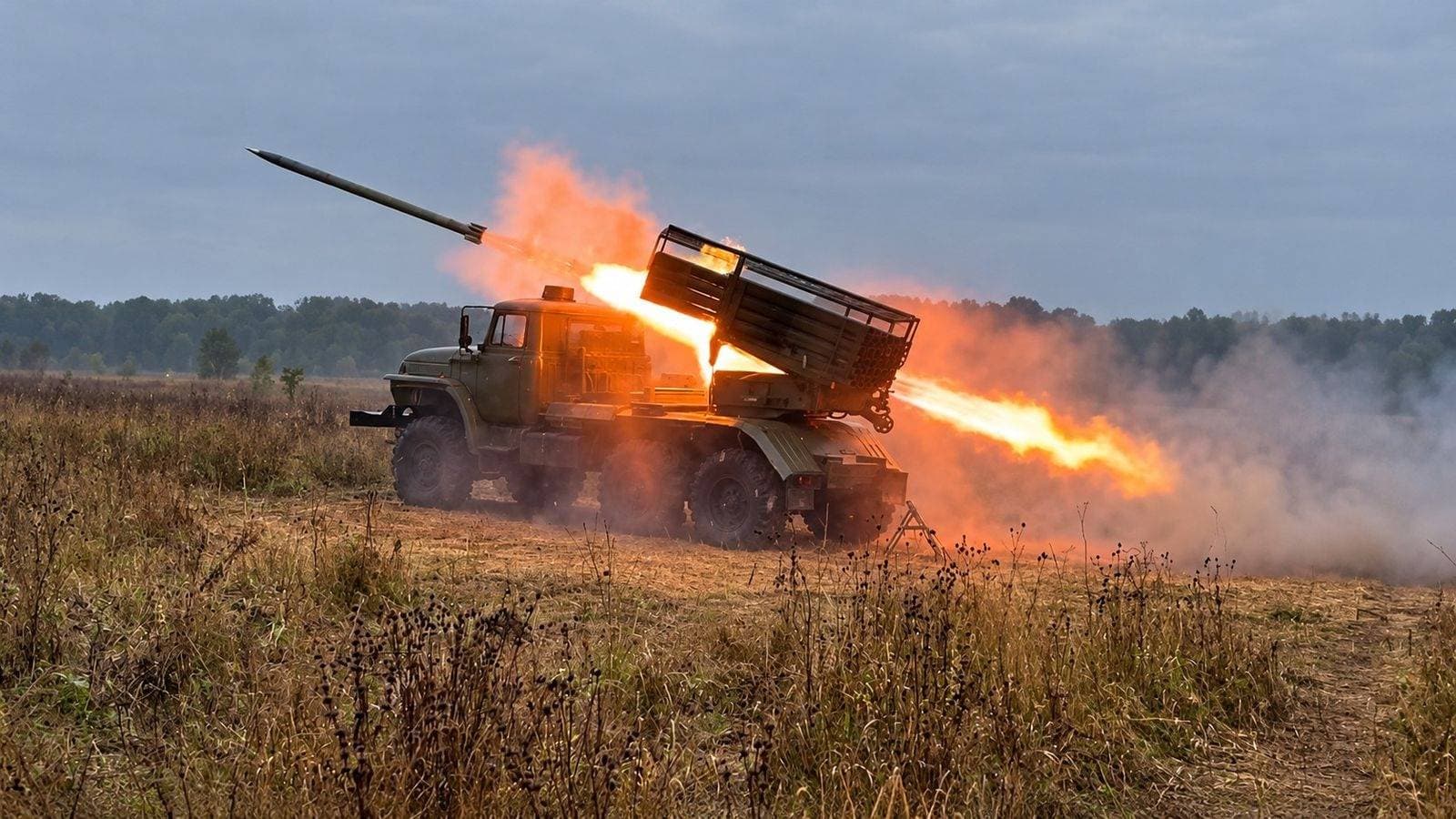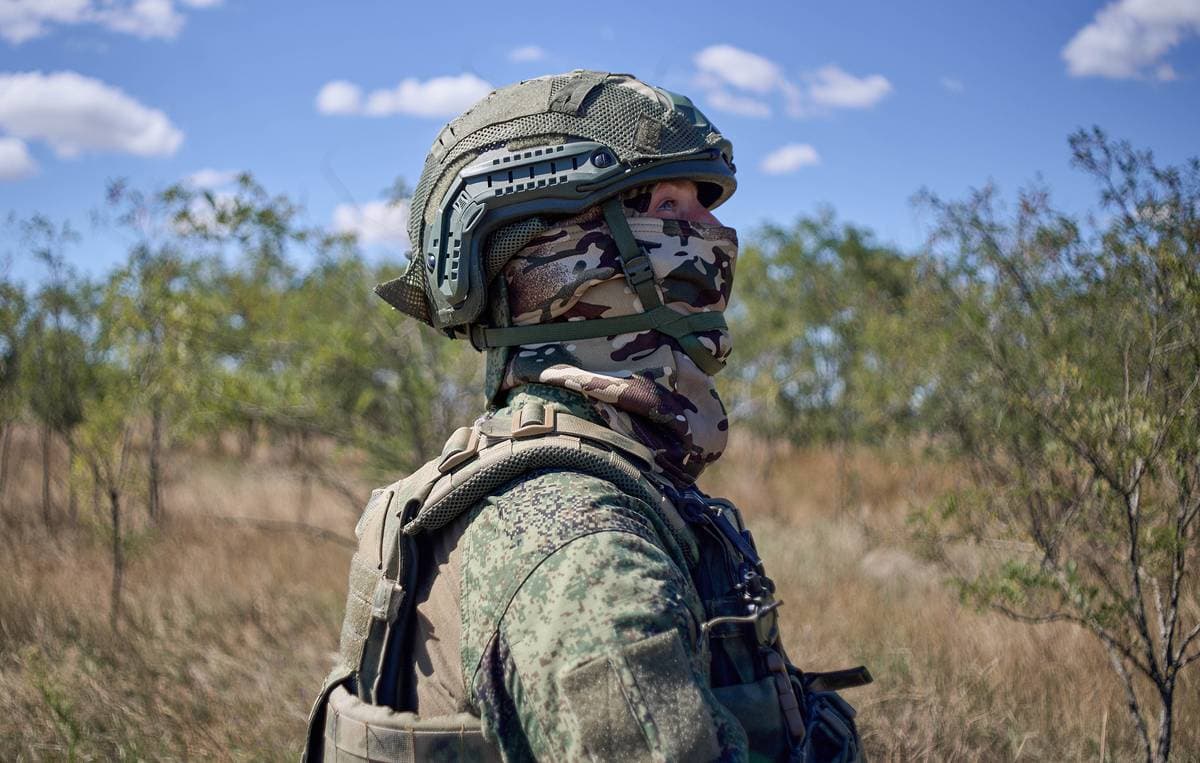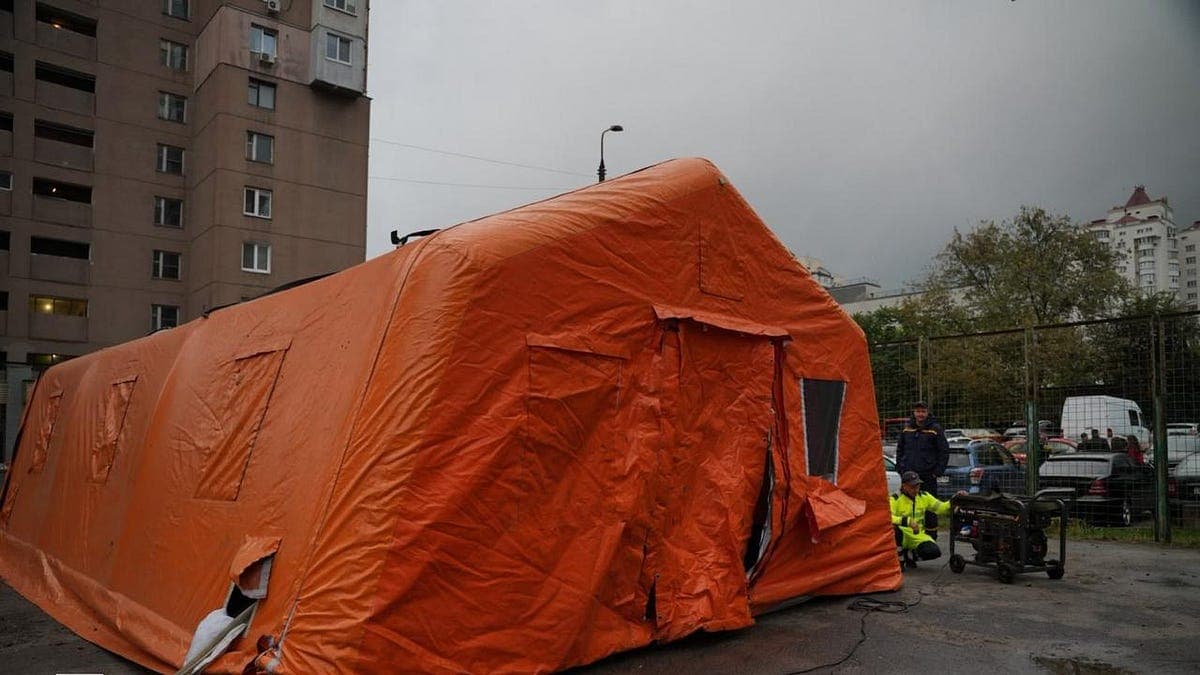
The battle for Kupyansk and the broader eastern and southern fronts in Ukraine continue to exemplify a brutal and complex conflict characterized by intense urban combat, sustained attrition, and multidomain operations as 2026 progresses. Recent developments underscore the ever-evolving nature of this struggle, highlighting Ukrainian resilience amid persistent Russian attempts to escalate pressure through kinetic, aerial, and information warfare.
---
### Kupyansk: Ukrainian Stronghold Under Siege from Persistent Russian Sabotage and Urban Threats
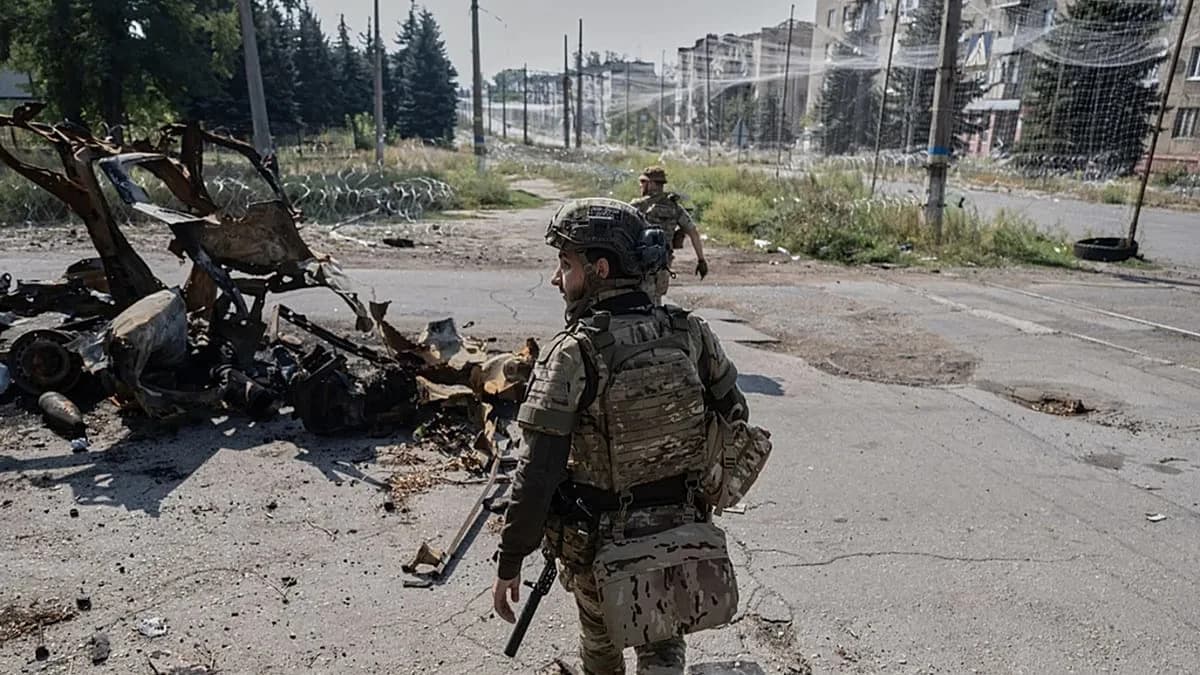
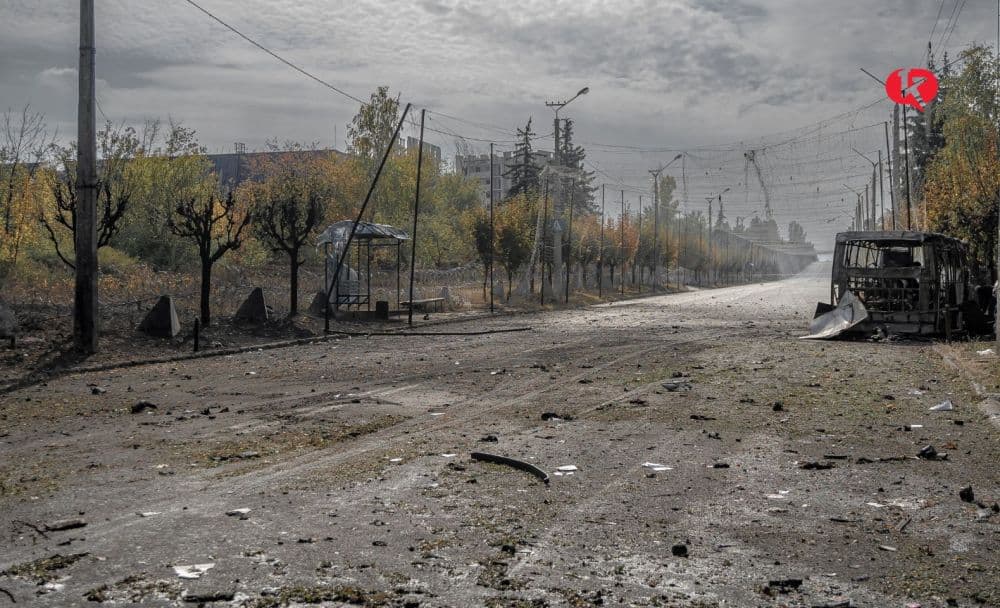
Ukrainian forces maintain **full control over Kupyansk**, yet the city remains a precarious bastion amid ongoing resource-intensive urban stabilization efforts. The protracted clearing operations highlight the formidable challenge of rooting out deeply embedded Russian sabotage cells, snipers, and improvised explosive devices (IEDs) interspersed within civilian residential areas.
Key operational elements shaping the current phase include:
- **Precision First-Person View (FPV) drone teams** continue to play a crucial role, systematically uncovering concealed sniper positions, minefields, and remote-detonated explosives. Their real-time reconnaissance enables infantry units to navigate contested neighborhoods with reduced risk.
- Engineering units persist in restoring vital infrastructure—particularly **rail lines and power grids**—ensuring logistical flow and civilian survival, especially critical as winter conditions intensify.
- Ukrainian forces have established **“kill zones” along former Russian-controlled pipeline corridors**, effectively disrupting enemy reinforcement routes and complicating Russian supply chains.
- Despite these efforts, **Russian sabotage remains a constant threat**, with covert sniper fire and remote-controlled explosions causing ongoing casualties and instability inside the city.
This phase’s brutal reality is further illustrated by recently surfaced frontline footage from Stepnogorsk, Zaporizhzhia Oblast, showing Ukrainian troops employing TM-62 anti-tank mines to demolish buildings occupied by Russian infantry. Such tactics, while destructive to infrastructure, reflect the grim calculus of urban warfare where minimizing friendly casualties often necessitates sacrificing buildings to deny enemy footholds.
---
### Escalation of Russian Offensive Pressure Near Myrnohrad and Village Seizures
New intelligence and reporting reveal a **Russian tactical advance near Myrnohrad**, including the seizure of three nearby villages, marking a significant escalation in offensive pressure within Donetsk Oblast. These gains, though limited, demonstrate Moscow’s continued attempts to erode Ukrainian defensive lines and regain momentum in the region.
- Russian forces reportedly captured **three villages adjacent to Myrnohrad**, advancing their forward positions toward key logistical hubs.
- This advance threatens to destabilize supply routes and command centers supporting Ukrainian operations in the Bakhmut district.
- Ukrainian units are responding with counterattacks and targeted strikes aimed at halting further Russian consolidation in these contested areas.
The seizure of these villages, while tactically limited, underscores the fluidity and volatility of frontline dynamics in eastern Ukraine, where gains and losses shift frequently amid high-intensity combat.
---
### Massive Overnight Russian Drone Barrage Signals UAV Escalation
On the night of December 30-31, Ukrainian air defenses faced an unprecedented **Russian drone swarm attack involving over 120 unmanned aerial vehicles (UAVs)**, marking a significant intensification of Russian unmanned warfare capabilities.
- The barrage targeted multiple key infrastructure sites, including energy facilities, logistics hubs, and military installations.
- Ukrainian integrated air defense systems engaged the drones, successfully intercepting a substantial portion, but some penetrated defenses causing damage and temporary outages.
- The scale and coordination of this attack reflect an escalation in Russia’s attempt to overwhelm Ukrainian air defenses through saturation tactics and mass drone employment.
This surge in UAV use highlights Russia’s strategic pivot to multidomain strikes aimed at degrading Ukrainian operational capacity and civilian morale, increasingly utilizing drone swarms as a force multiplier in the aerial dimension.
---
### Ukrainian Preemptive Strikes on Russian Long-Range Drone Launchers Degrade Enemy UAV Capabilities
In a timely countermeasure to escalating drone attacks, Ukrainian forces launched **precision strikes on Russian long-range drone launch facilities**, significantly degrading Moscow’s UAV launch capabilities.
- These preemptive attacks targeted key Russian drone staging and control sites, disrupting the operational tempo of Russian drone campaigns.
- Ukrainian Special Operations Forces and artillery units coordinated to destroy launch equipment and associated infrastructure, curbing Russia’s ability to sustain large-scale drone barrages.
- This proactive approach exemplifies Ukraine’s growing multidomain operational sophistication, combining intelligence, SOF, and precision firepower to blunt enemy aerial tactics.
By degrading Russian drone launch capabilities, Ukraine aims to reduce the threat of future saturation attacks, protecting critical infrastructure and military assets from similar large-scale UAV offensives.
---
### Persistent Fighting and Attritional Combat Across Donetsk and Southern Fronts
Intense combat continues along multiple contested sectors, with high operational tempo and heavy attrition on both sides:
- In **Donetsk Oblast**, Russian forces press offensives near **Andriivka** and the villages recently seized close to Myrnohrad, attempting to exploit localized breakthroughs.
- Ukrainian units maintain firm control over **Myrnohrad and Pokrovsk**, repelling repeated Russian assaults and destroying supply convoys en route to contested areas.
- Fighting around **Huliaipole and Zaporizhzhia** remains fierce and attritional, with Ukrainian command reforms underway following earlier tactical withdrawals aimed at bolstering frontline leadership and accountability.
These engagements reflect a grinding war of maneuvers and positional battles, with neither side able to decisively shift the frontline despite sustained effort and costly operations.
---
### Continued Ukrainian SOF Deep Strikes Inflict Severe Losses on Russian Forces
Ukrainian Special Operations Forces maintain pressure deep behind enemy lines, targeting logistics and command infrastructure:
- A December 17 strike on a Russian ammunition depot in **Luhansk** resulted in approximately **1,700 Russian casualties** and the destruction of critical munitions.
- On December 28, Ukrainian forces destroyed a **Valdai radar installation in Crimea**, significantly impairing Russian missile defense and early warning capabilities.
- These operations complicate Russian logistics, degrade force readiness, and demonstrate Ukraine’s expanding operational reach in multidomain warfare.
Such deep strikes remain a vital component of Ukraine’s strategy to disrupt Russian operational cohesion and impose disproportionate losses.
---
### Russian Multidomain Escalation: Missile, Drone, and Naval Kalibr Strikes Increase
In response to battlefield setbacks, Russia has intensified multidomain strikes against Ukraine’s infrastructure and military targets:
- The **first-ever Russian Navy Kalibr cruise missile strikes** targeted Ukrainian coastal logistics hubs, energy infrastructure, and war production facilities.
- Notable damage includes:
- **Lozova railway junction**, a key logistical node.
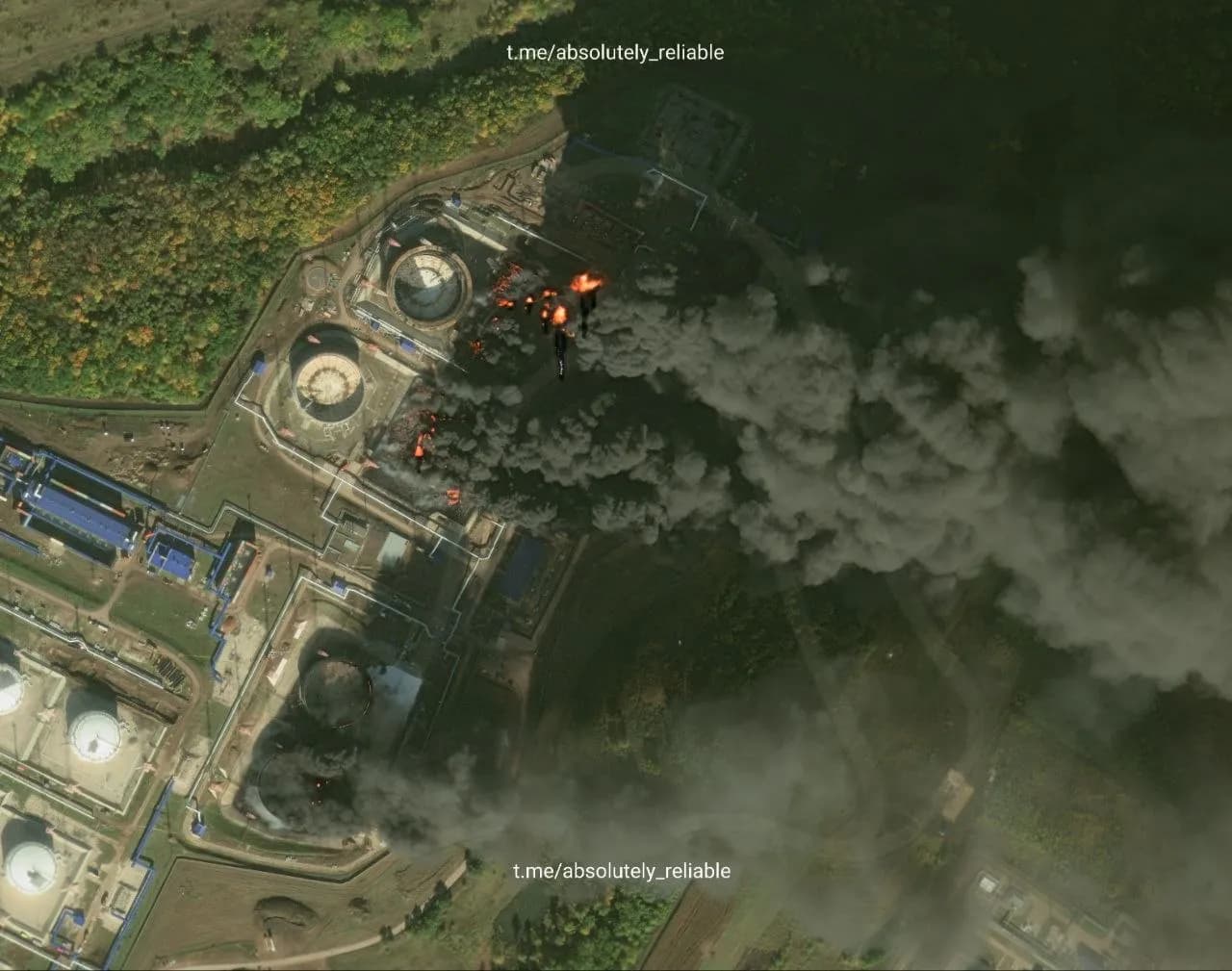
- **Novoshakhtinsky oil refinery**, critical for regional fuel supplies.
- Multiple **Kharkiv war production sites**, undermining Ukraine’s military manufacturing.
- The **Kherson thermal power plant**, severely damaged on December 28, causing widespread heating and electricity outages amid freezing weather.
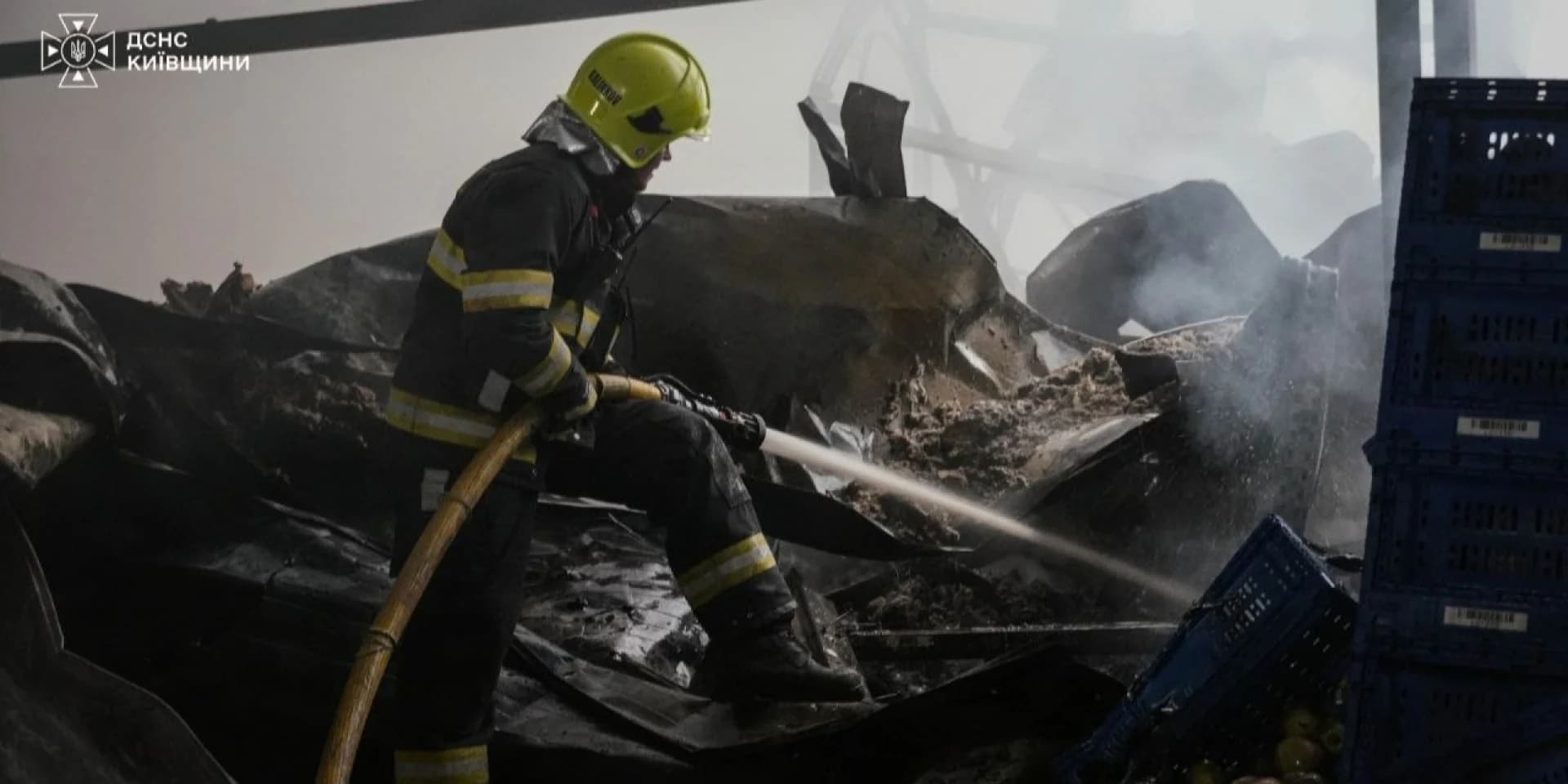
- Kyiv endured an unprecedented **11-hour continuous missile and drone attack on December 27**, resulting in widespread blackouts. Ukrainian repair crews demonstrated extraordinary resilience, restoring critical infrastructure despite sustained fire.
- Ukrainian naval forces successfully countered Russian maritime offensives, employing **advanced sea drones** to damage the Russian “shadow fleet” tanker **Dashan**, marking a notable evolution in Kyiv’s unmanned naval warfare capabilities.
This multidomain escalation evidences Moscow’s determination to impose strategic costs on Ukraine by targeting critical infrastructure and supply chains beyond the immediate frontline.
---
### Information Warfare: Intensified Russian Disinformation Met by Ukrainian Transparency
The battle for narrative dominance intensifies alongside kinetic operations:
- Russian state media and social channels continue to disseminate false claims of Russian control over Kupyansk and exaggerate counterattack successes, aiming to erode Ukrainian morale and confuse international observers.
- Kremlin propaganda emphasizes alleged Ukrainian dependence on foreign mercenaries and special forces to delegitimize Kyiv’s military efforts.
- Increased censorship and repression within Russia aim to control domestic narratives and suppress dissent.
- Ukraine counters with transparent, detailed operational updates that expose Russian misinformation, bolstering international support and domestic morale.
- Coordinated Russian disinformation campaigns propagate false claims of Ukrainian defensive breaches, particularly around Kupyansk, targeting foreign-language social media to destabilize perceptions abroad.
This information warfare dimension remains critical in shaping both domestic and international perceptions of the conflict’s progress.
---
### NATO Logistics Adaptations and Ukrainian Command Reforms Strengthen Sustainment and Combat Effectiveness
To sustain prolonged high-intensity operations, NATO and Ukraine have pursued key logistical and command improvements:
- Construction of a **backup supply corridor through Romania** advances, reducing reliance on Polish transit routes and ensuring uninterrupted delivery of Western military aid.
- Ukrainian military leadership has intensified frontline accountability protocols and improved intelligence accuracy, particularly after operational setbacks in Huliaipole and earlier reporting errors near Siversk.
- Engineering units continue rapid repair and fortification efforts, with satellite imagery revealing ongoing construction of the **“Donbas Fortress Belt”**, a 31-mile defensive line featuring trenches, anti-tank obstacles, minefields, and bunkers designed to blunt future Russian offensives.
- Preparations for renewed counteroffensive operations focus on sectors such as **Pokrovsk**, aiming to disrupt Russian consolidation and regain battlefield initiative.
These adaptations enhance Ukraine’s operational resilience and ability to sustain high-tempo multidomain operations.
---
### Current Operational Summary and Outlook
- **Kupyansk** remains under firm Ukrainian control but requires ongoing, resource-intensive urban clearing amid persistent Russian sabotage and multidomain harassment.
- Russian forces have made limited but significant advances near **Myrnohrad**, seizing three villages and escalating pressure in Donetsk Oblast.
- The overnight **Russian drone swarm attack involving over 120 UAVs** marks a new level of aerial escalation, countered by Ukrainian strikes on drone launchers that degrade enemy UAV capabilities.
- Fierce attritional fighting continues across eastern and southern fronts, notably around **Andriivka, Huliaipole, Zaporizhzhia, Pokrovsk, and Vovchansk**, with fluid frontlines and ongoing counterattacks.
- Ukrainian SOF deep strikes continue to inflict heavy Russian losses, disrupting logistics and radar infrastructure deep behind enemy lines.
- Russia’s multidomain offensive escalates with missile, drone, and naval Kalibr strikes targeting Ukrainian infrastructure, met by resilient Ukrainian defense and naval countermeasures.
- The information warfare battle intensifies, with Russian disinformation aggressively countered by Ukrainian transparency efforts.
- NATO logistical diversification via the Romanian corridor and Ukrainian command reforms strengthen sustainment and frontline effectiveness.
- The operational tempo remains high, with over 200 daily engagements reflecting a grinding, attritional conflict shaped by multidomain operations and evolving tactics.
---
### Conclusion
The situation in Kupyansk epitomizes the broader challenges Ukraine faces in 2026: transforming symbolic military victories into sustainable stability amid relentless Russian sabotage and multidomain harassment. Ukrainian forces leverage precision drone reconnaissance, engineering resilience, and deep special operations strikes to impose severe losses on Russian units and blunt enemy offensives. Meanwhile, Russia’s intensified multidomain strikes—including unprecedented naval Kalibr missile launches and massive drone swarms—demonstrate Moscow’s resolve to regain initiative despite mounting attrition.
Supported by NATO’s adaptive logistics and Kyiv’s internal reforms emphasizing accountability and operational transparency, Ukraine appears prepared for a protracted, high-intensity conflict. The coming months will be critical as Kyiv consolidates gains, restores essential infrastructure, and exploits its growing multidomain advantages in the face of sustained Russian attempts to destabilize contested areas and reverse battlefield momentum.