The northern front in eastern Ukraine remains a fiercely contested and technologically sophisticated battlefield, where persistent Russian offensive pressure meets increasingly innovative and resilient Ukrainian counteractions. Building on the dynamics observed through late April 2026, recent developments—including a massive coordinated Russian missile and drone strike, ongoing localized ground engagements, and expanded Ukrainian cross-border drone operations—underscore the evolving multidomain nature of the conflict across Kharkiv, Kupiansk, Vovchansk, Sumy, and adjacent areas.
---
### Massive Coordinated Russian Missile and Drone Strike: A Calculated Show of Force with Limited Operational Impact
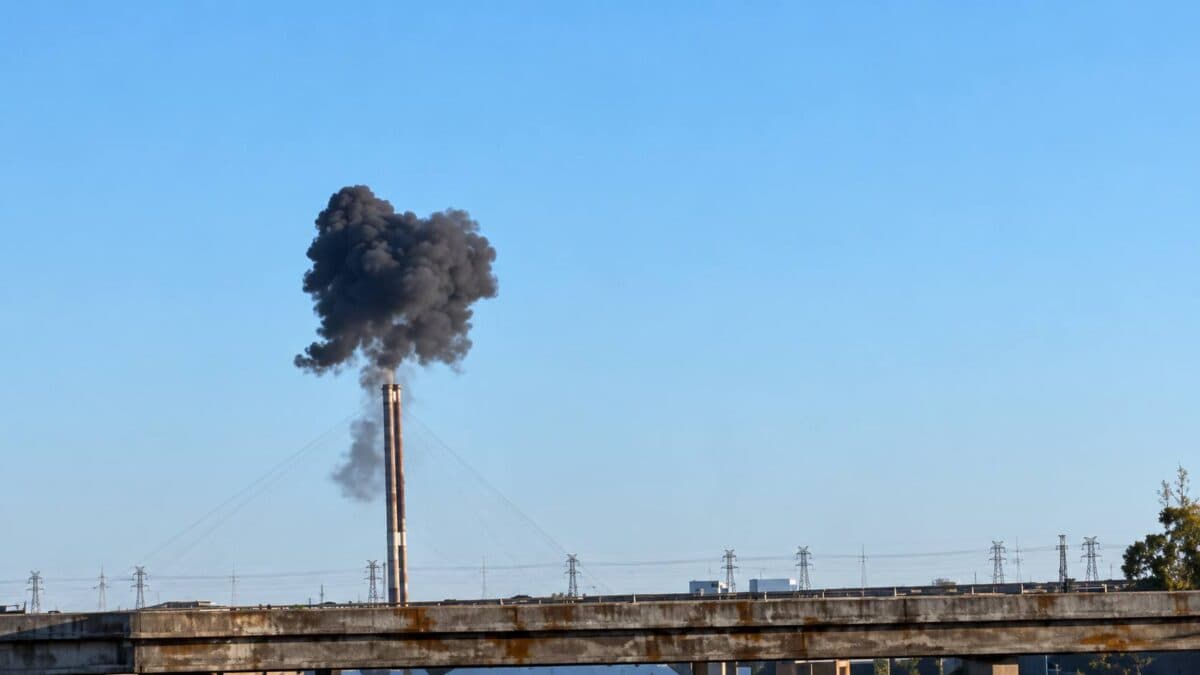
In early May 2026, Russian forces launched a large-scale, coordinated missile and drone barrage targeting Ukrainian command and control (C2) hubs, logistics nodes, and air defense installations along the northern front. This strike involved multiple waves of ballistic and cruise missiles, supplemented by swarms of Molniya FPV drones designed to saturate and overwhelm Ukrainian defenses.
- **Objectives and Execution:** According to Russian sources, the strike aimed to disrupt Ukrainian command networks—especially satellite-reliant systems such as Starlink—and degrade frontline sustainment infrastructure near Sumy and Kharkiv. The combination of missile volleys and drone swarms was intended to penetrate Ukraine’s layered air defenses and electronic warfare (EW) measures.
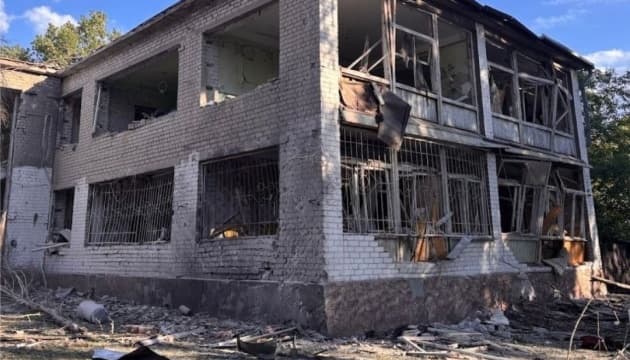
- **Ukrainian Mitigation and Damage Assessment:** Despite the scale and intensity, Ukraine’s integrated air defense systems and EW capabilities intercepted a large portion of the incoming munitions. Localized damage was reported near Sumy logistics facilities, but Ukrainian military officials emphasized minimal disruption to operational command or communications. Rapid rerouting of data, redundant digital networks, and resilient infrastructure ensured that the front-line tempo remained largely unaffected.
- **Strategic Context:** Analysts interpret this strike as part of Moscow’s broader attempt to blunt Ukrainian operational momentum ahead of renewed ground offensives aimed at consolidating gains east of the Oskil River near Lyman and Zakitne. However, the limited operational effect highlights the challenges Russia faces in overcoming Ukraine’s defensive depth and technological edge.
---
### Incremental Russian Ground Advances Amid Stiffening Ukrainian Resistance
On the ground, Russian forces continue to make modest, incremental advances under challenging conditions, facing determined Ukrainian resistance and effective countermeasures:
- **Lyman and Zakitne Sectors:** Russian units persist in securing and expanding bridgeheads east of the Oskil River, focusing on controlling critical river crossings to facilitate potential westward advances. While minor territorial gains near Zakitne demonstrate Moscow’s determination, Ukrainian defenders employ combined arms tactics, urban fortifications, and precision artillery strikes to prevent further Russian consolidation.
- **Engineering and Counter-Engineering Battles:** Russian combat engineers actively reinforce Oskil River crossing points, yet Ukrainian counter-engineering teams—supported by drone reconnaissance and rapid counter-battery fire—regularly disrupt these efforts, constraining Russian operational depth and maneuverability.
- **Kupiansk and Myrnohrad Axis:** Russian attempts to reopen and secure supply corridors face escalating Ukrainian interdiction. Ukrainian forces have tightened encirclements around Russian formations near Kupiansk and Myrnohrad, fragmenting their units and creating critical logistical bottlenecks that degrade morale and combat effectiveness.
- **Vovchansk and Sumy Areas:** Intense fighting continues in and around key settlements such as Nykiforivka, Nelipivka, and Zatyshok. Ukrainian troops leverage well-fortified urban environments to conduct effective attrition warfare, inflicting disproportionate losses and stalling Russian advances.
- **Pokrovsk and Rear-Area Pressure:** Since capturing Pokrovsk in late January 2026, Russian forces have established a foothold in Donetsk Oblast. Ukrainian forces have intensified precision strikes on Russian rear-area logistics and air defense systems near Pokrovsk and Konstantinovka, further eroding Russian sustainment capabilities and forcing Moscow to divert resources to rear-area security.
---
### Ukrainian Operational Initiative: Innovation, Flexibility, and Extended Reach
Ukraine continues to set the operational tempo, leveraging a combination of technological superiority, tactical adaptability, and expanded operational reach to blunt Russian offensives and prepare for counterattacks:
- **Encirclement and Isolation of Russian Formations:** Ukrainian units have tightened encirclements around Russian concentrations near Kupiansk and Myrnohrad, severing supply and communication lines. This pressure exacerbates Russian attrition and forces Moscow to commit forces to defensive rear-area security.
- **Precision Strikes on Logistics and Air Defenses:** Ukrainian artillery, drones, and special operations forces have continued deep strikes on Russian ammunition depots and air defense batteries, notably in Donetsk Oblast and near Konstantinovka. These attacks degrade Russian frontline combat power and complicate efforts for sustained offensives.
- **Rapid Engineering Repairs and Infrastructure Resilience:** Ukrainian combat engineers maintain rapid repair capabilities for bridges, roads, and communication nodes damaged by missile and drone strikes, sustaining operational fluidity under persistent bombardment.
- **Expanded and Sophisticated Drone Employment:** Beyond reconnaissance, Ukrainian forces now widely employ drones for casualty evacuation (CASEVAC), logistical resupply, and aggressive interception of Russian FPV drones. The elite “Alpha Center” drone interceptor unit has neutralized over 350 Russian Molniya FPV drones since early 2026, significantly reducing Russian night reconnaissance and surprise attack capabilities.
- **Digital Military Logistics Platform:** Ukraine’s integrated digital logistics system streamlines procurement, tracking, and delivery across the northern front. Combined with drone-enabled resupply and rapid engineering, this platform acts as a force multiplier, enhancing operational endurance and responsiveness.
- **Intensified Special Operations in North-Slobozhansky:** Ukrainian special forces have escalated covert strikes against Russian supply lines and command nodes, forcing Moscow to allocate troops to rear-area defense and further slowing Russian operational momentum.
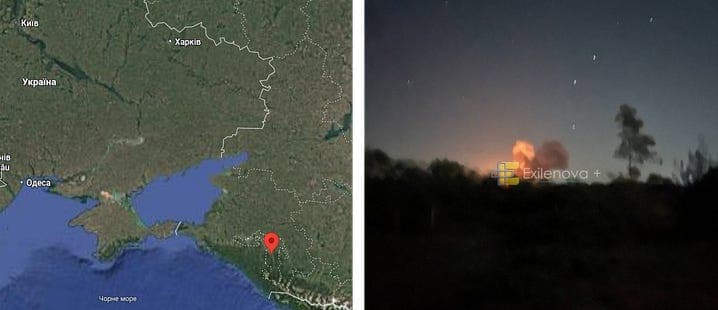
- **Cross-Border Deep Strikes into Russian Territory:** Demonstrating extended operational reach, Ukrainian forces have reportedly carried out drone strikes deep into Russian territory, including:
- A drone strike on a Russian ammunition depot in Kursk region, disrupting Russian logistics and underscoring Ukraine’s capability to project force beyond frontline areas.
- The obliteration of a plant linked to the Russian Ministry of Defense in Smolensk by Ukraine’s FP-1 drone, signaling a notable escalation in the range and impact of Ukrainian drone operations.
These strikes impose added strain on Russian rear-area security and complicate Moscow’s sustainment efforts.
---
### High-Tech Multidomain Warfare Defines the Northern Front
The northern front remains a crucible for multidomain combat where drone swarms, electronic warfare, and resilient digital communications are decisive factors:
- **Ukrainian Night-Capable FPV Drone Dominance:** Ukrainian infantry units, backed by specialized drone interceptor teams, maintain nocturnal drone operation superiority in key sectors such as Lyman and Konstantinovka, disrupting Russian reconnaissance and precision strike attempts.
- **Russian Drone Swarms and AI-Enhanced Munitions:** Russia continues deploying Molniya drone swarms and Klin AI-assisted loitering munitions targeting Ukrainian logistics and air defenses around Pokrovsk, Sumy, and Kharkiv. Ukrainian mobile General Cherry AIR air defense units and dispersed logistics nodes mitigate most saturation attacks.
- **Starlink Communications as a Critical Enabler:** Ukrainian officials reaffirm the indispensable role of Starlink satellite communications in maintaining resilient C2 amid persistent electronic warfare and missile strikes, enabling rapid targeting and decision-making.
- **Russian Countermeasures and Connectivity Challenges:** Intelligence indicates Russia has restricted Starlink access for its own drone operators, reducing Russian drone campaign effectiveness by an estimated 40%. This Ukrainian electronic warfare success significantly aids Kyiv’s tactical and operational advantages.
- **Visual Evidence of Complex Combined Arms Operations:** Frontline footage reveals integrated multidomain combat, showcasing Russian drone-guided Kh-38 missile strikes coordinated with aerial and ground maneuvers, juxtaposed with Ukrainian drone interdiction and counterattacks. These visuals highlight the increasing sophistication and integration of modern warfare on this front.
---
### Strategic and Operational Strains Weigh Heavily on Russian Forces
Independent assessments from the Institute for the Study of War (ISW) and other analysts emphasize mounting challenges confronting Russian operations:
- **Incremental Gains Without Strategic Breakthroughs:** Russian advances remain localized and modest, with no decisive breakthroughs. Moscow’s limited strategic reserves constrain escalation or sustained offensives.
- **Eroding Morale and Logistical Shortages:** Persistent Ukrainian interdiction, supply chain disruptions, and communication breakdowns negatively impact Russian frontline cohesion and morale. Reports describe difficulties in conducting orderly withdrawals, reinforcing positions, and coordinating operations effectively.
- **Amplified Ukrainian Pressure:** Ukrainian precision strikes, special operations, and innovative drone warfare compound Russian vulnerabilities, forcing Moscow into reactive and costly defensive postures.
---
### Current Status and Outlook
As of mid-May 2026, the northern front remains fiercely contested but increasingly favors Ukrainian operational initiative and resilience:
- **Russian forces persist in efforts to secure Oskil River bridgeheads and expand near Lyman and Zakitne but face sustained, effective Ukrainian resistance.**
- **Encircled Russian formations near Kupiansk and Myrnohrad suffer growing attrition, fragmentation, and supply isolation, raising the risk of costly breakout attempts or surrender.**
- **The massive overnight missile and drone strike, while demonstrating Moscow’s offensive resolve, failed to significantly disrupt Ukrainian command resilience or operational tempo.**
- **Ukraine’s technological advantages in drone warfare, digital logistics, and communications, combined with adaptive tactics and intensified special operations—including deep drone strikes into Russian territory—continue to set the operational tempo.**
- **The northern front remains a high-tech proving ground for multidomain warfare, with lessons learned shaping both sides’ evolving strategies and the broader trajectory of the eastern Ukraine conflict.**
---
**In summary, despite Moscow’s sustained offensive pressure and escalated missile and drone strikes, Russian forces on the northern front face increasing operational constraints and strategic difficulties. Ukraine’s blend of technological innovation, tactical adaptability, and resilient logistics continues to dictate the battlefield tempo and terms of combat. Ukrainian cross-border drone strikes into Russian territory mark a significant evolution in the conflict, increasing pressure on Russian rear-area defenses. The coming weeks will be pivotal in determining whether Ukraine can consolidate and expand its multidomain advantages in this critical theater, potentially shaping the broader conflict dynamics in eastern Ukraine.**