Relationships continue to be the fundamental framework of human experience, yet their complexity demands ongoing development of emotional skills, boundary literacy, and conflict management. Building on prior insights, **recent developments deepen our understanding of how boundary setting, attachment awareness, and healthier conflict resolution empower individuals and couples to break free from patterns of people-pleasing, avoidance, and enmeshment, fostering secure, resilient partnerships**. New resources and cultural conversations further underscore the urgency of these relational competencies amid evolving social pressures and diverse contexts.
---
### Persistent Relational Challenges: Revisiting the Roots of Dysfunction
Despite heightened awareness of relational health, many couples still wrestle with entrenched patterns that erode intimacy and connection:
- **People-Pleasing and Avoidance:** Individuals often sacrifice their authentic needs to maintain surface harmony, while avoidant partners emotionally distance themselves, generating frustration and alienation.
- **Enmeshment and Trauma Legacies:** Childhood trauma and dysfunctional family dynamics can blur boundaries, resulting in identity confusion and unhealthy emotional dependency that stifle autonomy.
- **Emotional Unavailability and Manipulation:** Covert control strategies and feigned independence undermine trust, triggering withdrawal or chronic accommodation.
- **Repeating Conflicts and Communication Failures:** Cycles of blame, resurfacing past offenses, and unresolved resentments deepen relational fractures.
- **Cultural and Faith-Based Attachment Complexities:** Spiritual ideals or cultural norms sometimes obscure attachment wounds, complicating efforts to meet intimacy needs authentically.
- **False Safety in Conflict Avoidance:** Contrary to common misconception, avoiding difficult conversations breeds resentment and disconnection, while **constructive conflict is essential for relational growth**.
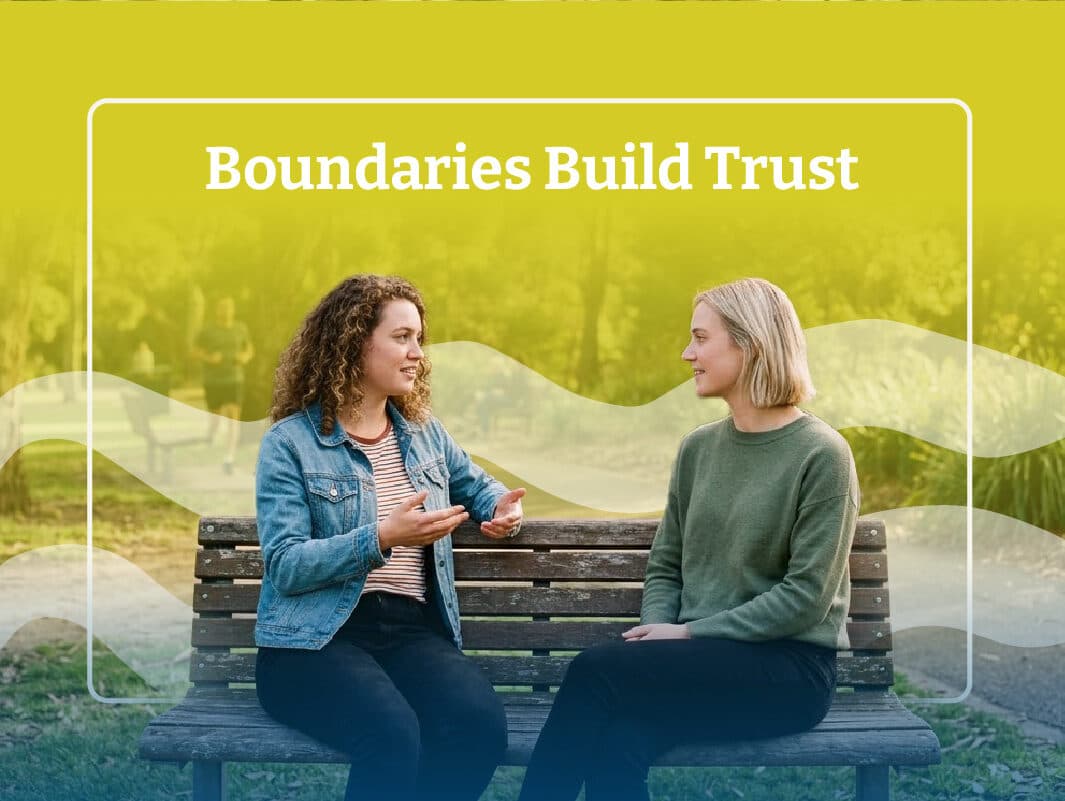
Recent additions to the discourse emphasize that **respect for boundaries is non-negotiable** and that enduring relational health requires more than tolerance—it demands active cultivation of boundaries that partners both understand and uphold.
---
### Boundaries Reimagined: From Defensive Barriers to Foundations of Intimacy
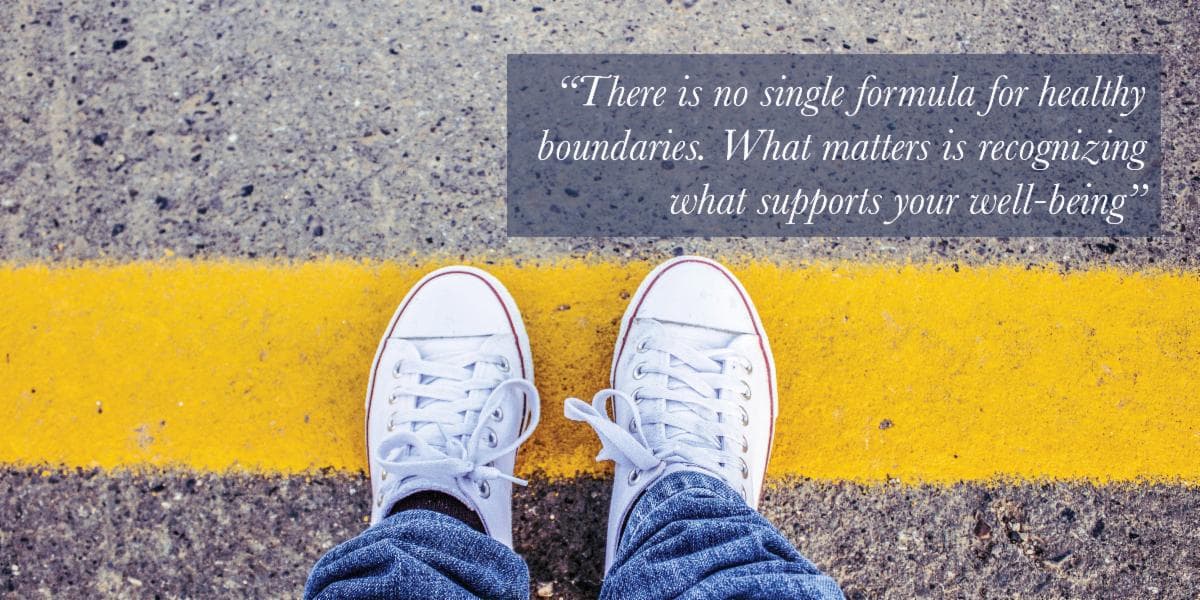
Emerging perspectives continue to shift the narrative around boundaries—from rigid defenses to **dynamic emotional spaces that protect individuality while enabling closeness**.
Key new insights and resources include:
- The article **“Stay single until you find someone who respects these 7 boundaries without you having to explain why they matter over and over again”** (Silicon Canals) advocates for **prioritizing partners who innately honor essential boundaries**, emphasizing that repeatedly justifying boundaries is a sign of relational incompatibility. This reinforces the principle that **boundaries are foundational, not optional, and that patience in singlehood can safeguard future relational health**.
- Cultural and familial pressures can complicate boundary-setting, as explored in **“‘I’m in love with someone, but parents pressuring me into cousin marriage. Please help!’”** This heartfelt plea highlights the **intense emotional conflict arising when personal boundary needs clash with cultural expectations or arranged marriage pressures**, underscoring the need for culturally sensitive boundary literacy and support systems.
- The video **“Do You Avoid These Intimacy Skills In Your Marriage?”** refreshes focus on practical intimacy skills, showing how avoiding vulnerability and boundary setting undermines deeper connection, even in long-term partnerships.
- These developments affirm that **resistance to boundaries is common but signal important opportunities for dialogue and reassurance**, as detailed in previous works like **“Why Setting Boundaries in Marriage Made My Wife Call Me Insecure.”** When boundaries are respected without defensiveness, they become powerful tools against people-pleasing and avoidance.
- Voices expressing boundary confusion, such as in **“i cant tell if my relationship boundaries are normal (advice from a confused and unsure girl),”** validate common struggles and emphasize that **growing boundary literacy is a gradual, self-aware process**.
- The article **“9 Relationship Red Flags Dismissed as Innocent Behaviors”** highlights subtle boundary violations often overlooked early on, empowering individuals to recognize warning signs before dysfunction deepens.
---
### Attachment Awareness: Deepening Nuanced Healing Across Contexts
Attachment theory continues to be a cornerstone of relational understanding, now enriched by culturally sensitive applications and expanded contexts:
- Awareness of **anxious and avoidant attachment styles** enables partners to recognize patterns of clinginess and withdrawal.
- Moving beyond recognition, **attachment literacy fosters responsive, healing strategies** to break cycles of fear and mistrust and cultivate secure bonds.
- The video **“What Most Faith-Based Marriages Get Wrong About Attachment”** calls for **integrating attachment theory into faith communities**, addressing how spiritual ideals can sometimes mask attachment wounds and hinder genuine intimacy.
- Nonmonogamous relationships also benefit from attachment and boundary principles, as seen in the therapist-reacts video **“Couples Therapy - Ping & Will #1 - Open Relationship,”** which emphasizes emotional honesty, negotiated boundaries, and mutual growth as universal relational needs.
- Breakup experiences gain fresh perspective in **“Why Didn't I See My Breakup Coming? - Insightful Tips for Women,”** which examines gendered emotional processing and attachment dynamics that can make separations seem sudden, highlighting the importance of attachment awareness in healing.
- The article **“Are You in a One-Sided Relationship?”** exposes unilateral decision-making as a red flag of power imbalance, helping individuals recognize and advocate for equitable partnerships.
- Emotional complexities such as jealousy and envy, often confused, are clarified in the therapist-led video **“Are They Jealous or Envious? | Therapist on How They Differ, Why it Happens, & What to Do,”** offering practical tools to manage these feelings constructively, crucial for attachment security and conflict reduction.
- Newly surfaced, the video **“Why You Still Feel Unloved”** explores chronic emotional neglect despite relational involvement, unpacking how **unmet attachment needs and transactional emotional exchanges impede authentic connection**, a vital insight for relational repair.
---
### Communication and Conflict Resolution: Harnessing Discord for Growth
Effective communication and conflict management remain vital for relational resilience, with new tools emphasizing empathy, de-escalation, and inclusivity:
- The **“Tongue Trick To Help You Stop Yelling At Your Partner And Talk It Out”** introduces a simple behavioral cue to interrupt escalating arguments and promote calm dialogue.
- Staying **present-focused** during disagreements, as taught in **“5 Simple Ways To Argue With Your Spouse Without Bringing Up Stuff From 2017,”** prevents blame spirals and rehashed grievances, fostering understanding.
- The article **“Principles of Effective Communication: Awareness & Empathy”** reframes communication as an interactive, empathetic process, reducing defensiveness and nurturing connection.
- Digital communication nuances are explored in **“When His Texts Reveal He’s More Attached Than He Lets On,”** which reveals how texting can expose hidden vulnerabilities and unmet attachment needs, opening new intimacy channels.
- Communication strategies increasingly embrace **neurodiversity**, tailoring conflict resolution tools to varied cognitive and emotional processing styles, enhancing accessibility and effectiveness.
- The practical article **“How a Relationship Therapist Can Improve Communication Between Couples”** illustrates the therapist's role in fostering skills, emotional safety, and conflict navigation.
- Complementing this, **“Couples Counselling - Rareminds”** offers accessible counseling and training focused on emotional awareness, boundary-setting, and real-time relational skill-building.
- A major new contribution is the relationship psychologist’s **seven-question framework**, outlined in **“Are you constantly bickering with your partner? Relationship psychologist shares SEVEN questions which can steer away from conflict and quash vicious rows.”** These questions promote self-reflection, empathy, and de-escalation, helping couples interrupt destructive conflict cycles before lasting damage occurs.
---
### Hard-Won Wisdom: Lessons Often Learned Too Late
The article **“5 Things Couples Learn Too Late”** synthesizes vital relational truths gleaned from experience:
- **Excitement and chemistry alone cannot sustain relationships**; conscious cultivation of boundaries, communication, and attachment awareness is essential.
- Suppressed resentments and vulnerabilities, if unchecked, compound damage.
- **Ongoing mutual effort and growth are non-negotiable for longevity**, a reality often fully grasped only after repeated hardship.
These lessons underscore the importance of **early, proactive relational education** to prevent costly mistakes and nurture thriving partnerships.
---
### Partner Selection and Emerging Technologies: Tools, Not Substitutes
Growing recognition of the importance of **compatibility based on attachment styles and boundary alignment** informs partner choice:
- AI-mediated dating platforms increasingly offer tools to assess attachment styles, boundary preferences, and compatibility before deep emotional investment, potentially reducing dysfunctional relational cycles.
- However, experts caution that **technology can supplement but not replace the core human work of emotional self-awareness, boundary-setting, and compassionate communication**.
- The video **“The 7-Question Framework That SAVED Our Relationship”** demonstrates how structured reflection and mindful dialogue can rescue partnerships, serving as a replicable model for couples seeking to break negative patterns.
---
### Why These Developments Matter: Toward Holistic Relational Well-Being
Together, these evolving insights chart a powerful path toward relational flourishing:
- **Clear, respectful boundaries protect autonomy and enable authentic self-expression within connection**.
- **Attachment awareness and healing empower partners to transcend fear-driven behaviors and foster secure intimacy**.
- **Healthy conflict resolution transforms disagreements into opportunities for empathy, understanding, and deeper connection**.
- Early recognition of **red flags and relational imbalances fosters safer partner selection and equitable dynamics**.
- Thoughtful **partner selection, supported but not replaced by technology, can disrupt dysfunctional cycles and build lasting bonds**.
Collectively, these pillars equip individuals and couples to cultivate relationships marked by **security, resilience, and mutual growth**, enabling them to navigate life’s inevitable challenges with grace, authenticity, and emotional intelligence.
---
### Current Landscape and Future Directions
The cultural emphasis on emotional intelligence, boundary literacy, and inclusive communication continues to broaden. Accessible resources—including videos, articles, workbooks, therapist insights, counseling services, and AI tools—make these vital skills increasingly attainable.
Conversations across secular and faith-based communities are progressively integrating attachment theory, trauma awareness, and emotional health—challenging outdated taboos and fostering compassionate relational norms.
The evolving role of **AI and digital communication** promises innovative tools for compatibility assessment and emotional insight, yet consensus remains clear: technology enhances but cannot supplant the essential human work of emotional self-awareness, intentional boundary-setting, and compassionate communication.
---
**In summary**, the journey from entrenched relational dysfunction to secure, resilient partnerships hinges on embracing **boundaries**, deepening **attachment understanding**, and mastering **healthier conflict resolution**. Newly surfaced resources addressing boundary insistence, culturally specific pressures, intimacy skill avoidance, communication inclusivity, relational power imbalances, and dignified responses to distancing enrich this foundation. These pillars create relationships that not only survive but thrive—nurturing authentic intimacy and mutual growth amid an increasingly complex and interconnected world.