Pope Leo XIV’s 2028 Lenten initiatives continue to serve as a powerful beacon of integrated global leadership, weaving together ecological stewardship, migrant dignity, and ethical governance of emerging technologies into a unified, justice-centered mission. Recent developments—including expanded grassroots interfaith engagement, innovative diplomatic breakthroughs, and deepening theological reflections—have enriched and extended the transformative scope of his pontificate’s agenda. These advancements not only respond to the converging crises of climate change, forced displacement, and technological disruption but also exemplify how faith-rooted action can inspire tangible, multilateral solutions.
---
### Advancing the Integrated Mission: Ecology, Migrants, and Ethical AI
At the core of Pope Leo XIV’s vision is the inseparability of ecological care and the protection of vulnerable migrants, framed as “two faces of the same crisis.” This holistic understanding has shaped Church teachings, pastoral practice, and international advocacy throughout 2028. Key recent milestones include:
- **Vatican Dicastery for Culture and Education’s AI Ethics Guidelines (April 2028)** reaffirmed the Church’s commitment to embedding **human dignity, solidarity, and ecological care as foundational principles** in artificial intelligence development. These guidelines explicitly caution against AI innovations that deepen social inequality or environmental harm, positioning ethical technology as a tool to uplift marginalized populations—especially climate-displaced migrants.
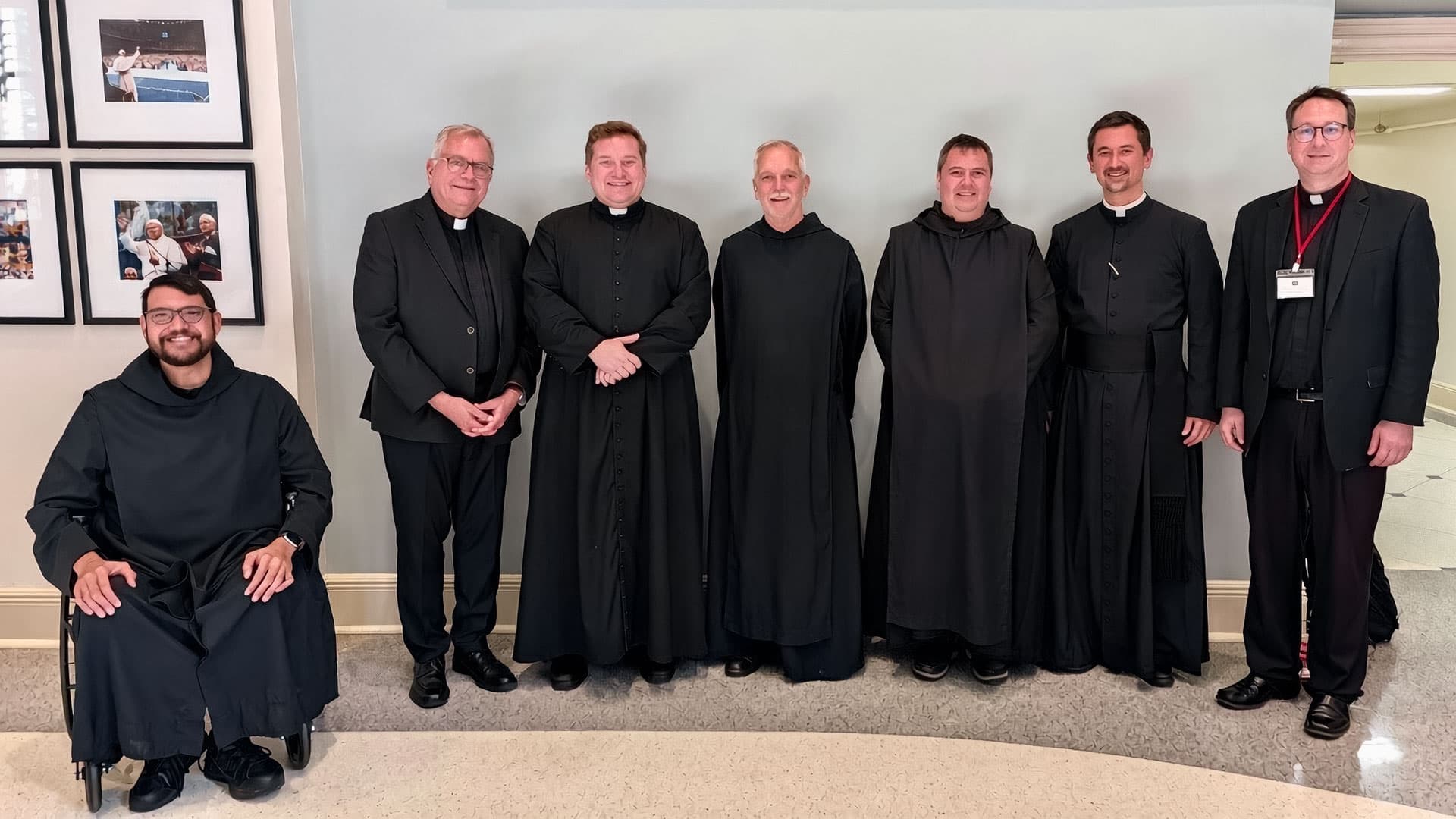
- The **New Benedictine College AI Center in Atchison, Kansas**, now fully operational, stands as a flagship initiative merging Catholic social teaching with cutting-edge AI research and ecological ethics. By preparing emerging leaders to navigate the moral complexities at the intersection of technology, social justice, and planetary health, the center embodies the pontificate’s forward-looking strategy.
---
### Historic Africa Tours: Building Bridges of Peace and Ecological Responsibility
Pope Leo XIV’s apostolic journeys across Africa have deepened the Church’s engagement with a continent disproportionately affected by climate change and migratory challenges:
- The **April 2028 visit to Algeria**, marking the first-ever papal trip to the country, spotlighted **St. Augustine’s legacy and the rich tradition of interfaith dialogue** in North Africa. This landmark visit laid a foundation for ongoing peacebuilding and ecological cooperation across religious and cultural boundaries.
- Covering four African nations, these tours emphasized **reconciliation, environmental sustainability, and collaborative action**—recognizing Africa’s critical role in global climate resilience and migration dynamics.
- A notable highlight was the **EWTN Vaticano interview with the Papal Nuncio to Cameroon and Equatorial Guinea**, who described the Pope’s mission as dedicated to “building bridges of peace, ecological responsibility, and human dignity across religious and cultural divides,” underscoring the diplomatic and pastoral significance of the visits.
- Complementing diplomatic efforts, innovative research such as the study **“Sanctified Spaces: Integrating Ambient Intelligence and Smart Environments into U.S. Black Baptist Churches”** reflects how technology can be ethically embedded within faith communities to foster social cohesion, environmental mindfulness, and cultural vitality—resonating with Pope Leo’s integrative vision.
---
### Grassroots and Interfaith Solidarity: Faith Communities as Agents of Justice
Pope Leo’s call for **locally rooted, interfaith collaboration** has energized faith-based organizations worldwide to embody integral justice:
- Faith-based migrant shelters in cities like **Detroit and San Antonio** have expanded beyond immediate humanitarian aid to include **ecological education programs** that teach sustainable urban agriculture, waste reduction, and environmental stewardship. These initiatives empower migrants to actively participate in community resilience efforts, fostering dignity and mutual care.
- The **Interfaith “Fast for Our Common Home” Campaign (Lent through Ramadan 2028)** united over 50 countries and diverse faith traditions—including Christianity, Islam, and Judaism—in a shared spiritual commitment to ecological justice and migrant dignity. This unprecedented multifaith fasting initiative has deepened interreligious solidarity and amplified global advocacy on urgent environmental and humanitarian challenges.
- In San Antonio, **interfaith fast-breaking dinners during Ramadan** have further cemented bonds across religious lines. These gatherings, featuring live religious music and communal meals, have brought Muslims, Christians, and Jews together in celebration and dialogue, embodying the spirit of hospitality and unity central to Pope Leo’s vision.
- The **Ripple Interfaith Conference 2028**, now evolving into an expansive digital platform, continues to connect youth activists worldwide. It nurtures emerging leaders committed to sustainability, social justice, and peacebuilding rooted in multifaith values, ensuring the vitality and longevity of the pontificate’s integrated mission.
- Partnerships with the **United Nations Alliance of Civilizations (UNAOC)** and the **World Council of Churches (WCC)** have expanded, particularly across Africa, to implement programs combining reconciliation, ecological sustainability, and social healing for displaced populations. These faith-driven climate resilience initiatives offer culturally sensitive, effective models to address complex humanitarian challenges.
---
### Theological Deepening and Emergent Interspiritual Movements
The intellectual and spiritual foundations of Pope Leo’s mission have been enriched by new theological articulations and interspiritual innovations:
- The **Pontifical Academy of Sciences’ 2028 statement** framed integral ecology as a **“divine vocation to co-create and sustain life,”** elevating care for creation and migrants to a central place in Christian discipleship and moral responsibility.
- The rise of **Ecosufism**—an interfaith movement blending Sufi mysticism with ecological ethics—has gained momentum through landmark conferences in Istanbul and Cairo. Ecosufism fosters spiritual unity and cooperative ecological action across religious traditions, adding a vibrant interspiritual dimension to Pope Leo’s integrated mission.
- The **2028 Interspirituality Symposium**, featuring prominent theologians like Matthew Fox, highlighted how ecospirituality and multifaith dialogue deepen commitments to justice, hospitality, and planetary care. The event catalyzed new cross-faith collaborations and expanded theological horizons.
- New doctrinal resources, such as *Reason Informed By Faith: Foundations Of Catholic Morality* and *Catholic Social Teaching* from Ave Maria Press, have equipped clergy and laity with accessible moral frameworks rooted in Scripture and *Laudato Si’*, supporting faithful formation aligned with the Pope’s vision.
---
### Diplomatic Breakthroughs: Establishing Global Protections for Climate Refugees
Pope Leo’s diplomatic engagement has achieved historic progress in international governance for environmental migrants:
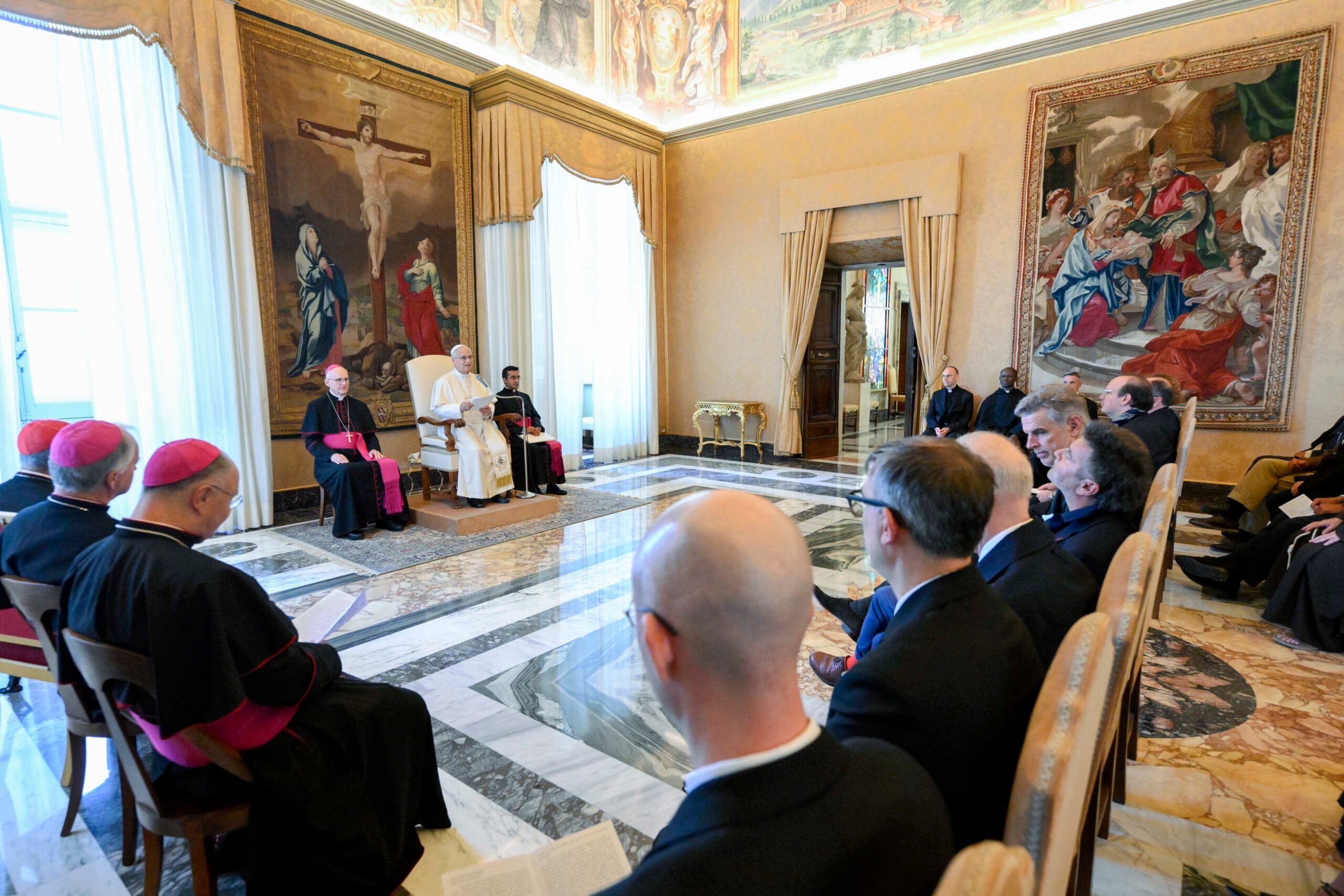
- At the **6th UN Environment Assembly (UNEA-6) in March 2028**, the Pope’s envoy delivered a compelling address linking environmental degradation to forced migration. This advocacy was instrumental in securing a **historic resolution establishing a “global covenant” to recognize and protect climate refugees**—the first international agreement mandating coordinated action to uphold the rights and dignity of those displaced by climate change.
- UNAOC’s expanded initiatives to combat Islamophobia and religious discrimination dovetail closely with Pope Leo’s vision, reinforcing faith-based efforts to foster inclusion, hospitality, and protection for vulnerable migrant and minority communities worldwide.
---
### Sustaining Momentum: Media Outreach and Educational Platforms
To ensure the ongoing vitality of this multifaceted mission, diverse media and educational platforms have played a vital role:
- The popular YouTube series **“Father and Joe E412: Understanding Pope Leo: A Legacy of Faith and Social Justice”** continues to reach broad audiences with accessible, engaging content.
- **Father Michael Coutts’ 2028 Lenten Retreat Day 5 video** offers a poignant spiritual reflection linking pastoral outreach with ecological responsibility, reinforcing the integrated character of the mission.
- The **Parishes Online platform** remains a crucial resource, providing parishes worldwide with liturgical and educational materials focused on *Laudato Si’*, facilitating grassroots formation in integral ecology and social justice.
- The recent **EWTN Vaticano interview with the Papal Nuncio to Cameroon and Equatorial Guinea** offers fresh insights into the diplomatic and pastoral impact of the Pope’s Africa tour, further amplifying the pontificate’s message.
---
### Strategic Priorities: Charting the Path Forward
Looking ahead, sustaining and scaling this transformative mission requires focused attention on:
- **Deepening pastoral and grassroots networks** to ensure programs are culturally sensitive and locally embedded, making integral ecology and migrant dignity lived realities on the ground.
- **Expanding interfaith and youth leadership**, building on successes like the “Fast for Our Common Home” campaign, Ripple Conference, and interfaith fast-breaking dinners to cultivate broad, multireligious leadership.
- **Sustaining ethical governance of technology**, with ongoing advocacy to ensure AI and emerging technologies uphold human dignity, ecological health, and justice.
- **Maintaining diplomatic momentum** in global forums such as UNEA and the United Nations, securing lasting protections for climate migrants and advancing ecological justice.
- **Combating religious discrimination** through integrated education and public discourse, fostering inclusive hospitality and social cohesion.
---
### Conclusion: A Transformative Beacon for a Fractured World
Pope Leo XIV’s 2028 Lenten initiatives stand as a living testament to a profoundly integrative and transformative mission, calling the global Church and all people of goodwill to embrace ecological care and migrant dignity as inseparable imperatives rooted in love, justice, and stewardship.
Through education, pilgrimage, interfaith solidarity, ethical innovation, and diplomatic advocacy, this mission challenges society to shoulder shared responsibility amid the converging crises of climate, displacement, and technological change. From the historic Algeria visit to pioneering ambient intelligence research in faith communities, and from the global "Fast for Our Common Home" campaign to interfaith Ramadan dinners in San Antonio, these efforts exemplify a continent-spanning, multigenerational movement bridging tradition and innovation.
As these initiatives advance, they offer a compelling blueprint for healing a fractured world—nurturing sustainable, compassionate futures grounded in faith, fraternity, and justice.
---
### Selected References for Further Exploration
- Vatican Dicastery for Culture and Education: *Artificial Intelligence and Human Dignity* Guidelines, April 2028
- New Benedictine College AI Center Launch, 2028
- UNEA-6 Official Documents and Pope’s Envoy Address, March 2028
- Faith-Based Shelters and Ecological Education Initiatives, Detroit and San Antonio, 2028
- Interfaith “Fast for Our Common Home” Campaign (Lent–Ramadan 2028)
- Ripple Interfaith Conference 2028 Proceedings
- UNAOC Resource: *Addressing Islamophobia and Discrimination Based on Religion or Belief*
- Parishes Online: *Laudato Si’ Resources*
- EWTN Vaticano Interview: *Pope Leo XIV in Africa with the Nuncio to Cameroon & Equatorial Guinea*, 2028
- “Sanctified Spaces: Integrating Ambient Intelligence and Smart Environments into U.S. Black Baptist Churches,” Humanities and Social Sciences Communications, 2028
- *Reason Informed By Faith: Foundations Of Catholic Morality* (PDF)
- *Catholic Social Teaching*, Ave Maria Press (PDF)
---
Pope Leo XIV’s ongoing mission continues to inspire faith communities, policymakers, and global citizens alike to unite in shared responsibility for **ecological renewal, migrant dignity, and ethical technological stewardship**—forging a just and flourishing world for all.