As 2027 progresses, the fashion and beauty industries continue to navigate a landscape defined by accelerated transformation in governance, sustainability accountability, and retail innovation. Building on the momentum established in 2026, recent developments underscore a sector increasingly shaped by activist and founder pressures, technological breakthroughs like SMX’s material identity expansion, and a robust evolution in experiential retail formats. Simultaneously, shifts in online sales dynamics and capital flows toward independent designers and niche brands add new dimensions to portfolio reshaping and omnichannel strategies.
---
### Governance and Leadership Renewal: Activist and Founder Pressures Drive Digital Fluency and ESG Proof
The ongoing **Lululemon proxy battle**, now intensifying into mid-2027, remains emblematic of the heightened tensions between visionary founder leadership and activist investor demands. Elliott Investment Management’s $1 billion stake fuels a push for:
- **Board expertise in digital strategy and sustainability metrics**
- Clear, **audit-ready ESG outcomes mandated at the board level**
- Enhanced transparency and operational rigor beyond aspirational statements
This proxy contest highlights a broader sector trend: boards and executives must combine **visionary leadership with operational discipline, digital fluency, and verifiable sustainability performance** to sustain stakeholder confidence in an increasingly complex regulatory and economic environment.
Parallel leadership developments reinforce this trend:
- **Bulgari CEO Laura Burdese**, since mid-2026, exemplifies successful integration of **technology-enabled sustainability with global brand expansion**, setting a benchmark for heritage luxury governance renewal.
- **Levi’s board refresh**, featuring executives skilled in inflation control, omnichannel retail, and sustainability, signals pragmatic governance focused on authentic ESG integration rather than symbolic compliance.
Together, these leadership paradigms reflect a sector-wide governance evolution where **founder activism and investor engagement drive demand for measurable, digital-first ESG accountability**.
---
### The Online Fashion Sales Shift: Independent Designers and DTC Brands Reshape Capital Flows and Omnichannel Strategies
A significant new development in 2027 is the growing primacy of **independent fashion designers and direct-to-consumer (DTC) brands** in online sales—a trend reshaping investment and operational priorities across the fashion ecosystem.
- Increasing consumer preference for **unique, authentic, and digitally native brands** is shifting capital flows toward **scalable niche labels with strong online presences**.
- This evolution fuels the imperative for **robust omnichannel and cross-border e-commerce strategies**, enabling independent designers and mid-market brands to expand geographically with minimal physical footprint and operational risk.
- The shift also reinforces selective M&A and capital deployment patterns, as investors seek to back brands with **authenticity, sustainability credentials, and digital agility**.
This dynamic complements the broader marketplace evolution, amplifying the need for integrated commerce ecosystems that blend new and resale commerce seamlessly.
---
### Experiential Retail Renaissance: Flagships as Immersive Cultural and Community Hubs
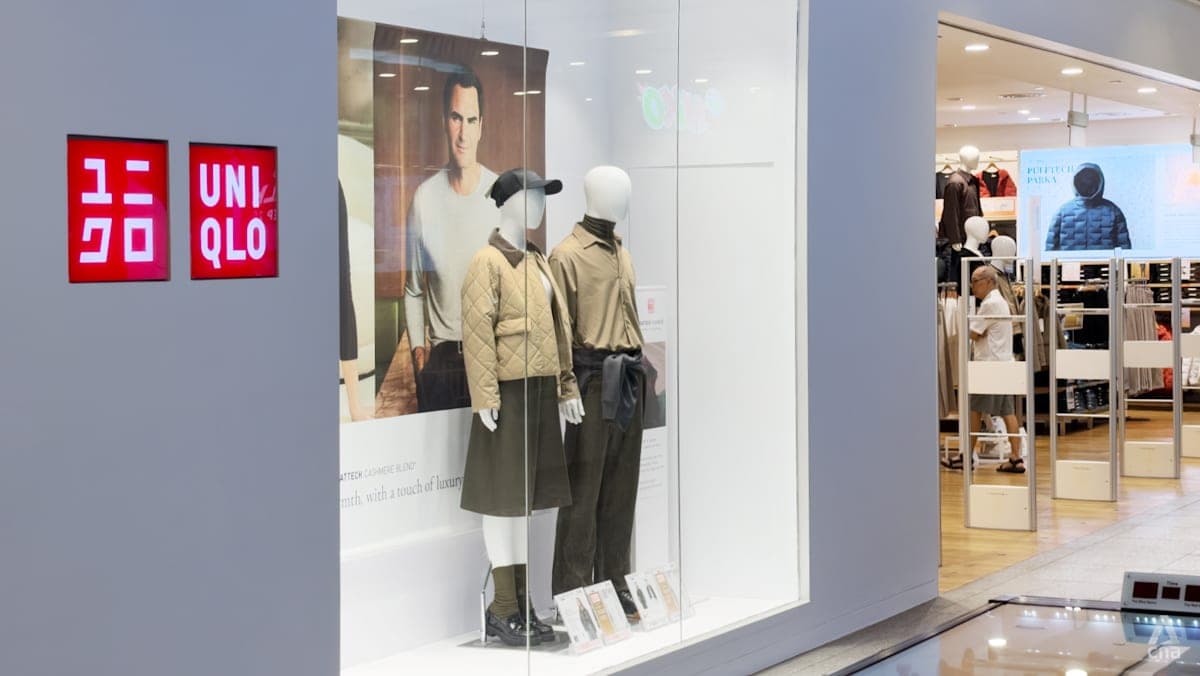
Contrary to earlier assumptions of physical retail decline, flagship stores are thriving as **immersive cultural venues that deepen brand loyalty and local engagement**, dovetailing with digital commerce innovations.
Recent highlights include:
- **Target’s SoHo flagship**, under CEO Michael Fiddelke, transformed into a **cultural incubator featuring interactive design labs, local artist collaborations, and seasonal storytelling**, reinforcing urban relevance amid competitive pressures.
- **Bottega Veneta’s New York flagship** continues to pioneer art-retail synergies, blending heritage with curated cultural experiences.
- **Stefano Ricci’s Casa concept expansion to Singapore** strategically extends luxury lifestyle retail into Asia’s affluent markets, offering bespoke home experiences infused with artisanal craftsmanship.
- New entrants and returning players such as **Kiltane’s London flagship** and **Pacsun’s brick-and-mortar return** after two decades further validate the physical store’s role as a vital omnichannel pillar.
- **DFS Group’s expansion in Hainan** leverages regional tax incentives and tourism growth to cement Asia’s luxury consumption primacy.
These developments emphasize **localization, cultural authenticity, and community engagement**, creating emotional resonance that pure e-commerce cannot replicate.
---
### Material Identity and Proof-Driven Sustainability: SMX Expansion and the New Luxury Scarcity
A defining breakthrough underpinning sustainability accountability is **SMX’s expansion into denim and recycled-denim materials**. This innovation furthers the platform’s pioneering work in embedding traceable digital identities across raw materials such as cotton.
Key impacts include:
- The **“material memory” system authenticates and tracks recycled content and provenance throughout product lifecycles**, addressing historic supply chain opacity.
- Brands gain the ability to provide **transparent, audit-ready proof of sustainability claims**, moving beyond narrative to rigorous accountability amid tightening regulations and consumer skepticism.
- This traceability supports **authenticated resale, recycling, and reuse**, enabling genuine circularity and unlocking new revenue streams.
- Industry analysis identifies the “new scarcity” in luxury as **credible proof of environmental and social responsibility**, positioning SMX’s Q1 2026 denim expansion as a critical milestone.
The broader adoption of such proof-driven material identity systems signals a paradigm shift where **verified circularity becomes central to competitive differentiation and consumer trust**.
---
### Selective M&A and Capital Deployment: Focus on Niche Luxury, Geographic Expansion, and Circular Economy
The M&A landscape remains **strategically selective and innovation-driven**, balancing caution with opportunity in niche luxury, geographic expansion, and circular economy platforms.
- **Golden Goose’s luxury sneaker segment** sustains premium valuations, with retail prices surpassing $2,000 per pair, reflecting consumer commitment to craftsmanship and exclusivity.
- **Coty’s ongoing divestment of its Wella stake** aligns its portfolio toward innovation-led beauty segments with clearer growth trajectories.
- The **sale of Pat McGrath remains postponed** amid valuation uncertainties, highlighting market caution toward speculative assets.
- Emerging brands such as **Loulou de Saison** actively seek capital for US and Asian market expansion, underscoring geographic diversification imperatives.
- Chinese consumer conglomerates continue pursuing Western luxury acquisitions, balancing domestic economic headwinds with strategic global consumer access.
- The **secondhand luxury market**, propelled by platforms like **RealReal**, grows robustly, reinforcing circular economy business models and sustainability principles.
Private equity and corporate investors focus on brands that combine **scalability, differentiation, innovation, and sustainability credentials**, aligning capital deployment with evolving market realities.
---
### Advanced Operational Priorities: Logistics Security, IP Protection, AI Integration, and Fast Fashion Scrutiny
Operational excellence remains fundamental as brands navigate innovation risks and compliance demands:
- **Luxury and beauty supply chains now universally adopt advanced logistics security measures**, including biometric access, real-time GPS tracking, and AI-driven risk analytics, ensuring product authenticity and pristine delivery conditions.
- Intellectual property enforcement intensifies, especially in emerging and digital markets, to combat counterfeiting and preserve brand equity.
- **AI adoption accelerates across design, supply chain, personalization, and sustainability monitoring**, enabling cost control, inventory agility, and rapid market responsiveness critical in volatile economic climates.
- **Cross-border e-commerce expertise** quietly reshapes expansion strategies, offering mid-market brands scalable entry into new geographies with reduced risk.
- Fast fashion brands face mounting scrutiny over sustainability claims, particularly around recycled polyester greenwashing. Academic and regulatory reports expose credibility gaps, encouraging industry-wide shifts toward **slower fashion cycles, resale and rental platforms, and localized manufacturing**.
---
### Cultural Engagement and Heritage Activation: Elevating Prestige and Secondary Market Value
Luxury brands continue leveraging culturally authentic programming and heritage activations to deepen emotional engagement and stimulate secondary markets:
- **Chanel’s revival of Matthieu Blazy’s inaugural Métiers d’Art show in Seoul** highlights Asia’s strategic importance and the power of exclusive, immersive experiences to elevate brand prestige.
- The growth of **Raf Simons’ archive sales** reflects increasing collector interest in fashion-as-art, generating new revenues and reinforcing brand community vitality.
Such initiatives sustain luxury’s aura of exclusivity and craftsmanship, fueling virtuous cycles of valuation and authenticity in resale markets.
---
### Marketplace and Omnichannel Evolution: Integrated Ecosystems Blending New and Resale Commerce
The retail ecosystem continues evolving toward **technology-enabled omnichannel platforms that integrate new product sales with resale and circular commerce**:
- The **Mirakl marketplace platform** remains instrumental, enabling retailers to expand assortments swiftly and enhance customer experience through integrated marketplace capabilities.
- Secondhand luxury marketplaces like **RealReal** exemplify the circular business model’s growth, unlocking new consumer segments and aligning with sustainability imperatives.
Together, these platforms represent a fundamental shift from linear retail toward **unified commerce ecosystems critical for resilience and growth amid economic and regulatory uncertainties**.
---
### Why These Developments Matter
- **Governance agility and leadership renewal** are imperative for managing inflation, evolving ESG mandates, and complex regulations.
- **Geographic diversification**, especially into Asia and emerging markets, remains essential for growth and risk mitigation.
- The **flagship store renaissance** enriches customer loyalty through culturally immersive, localized experiences that complement digital innovation.
- **Selective M&A and capital deployment** demonstrate cautious optimism focused on niche luxury and circular economy ventures with authentic sustainability credentials.
- **Advanced operational safeguards and AI integration** protect brand equity while driving innovation and efficiency.
- **Material identity and proof-driven sustainability**, led by platforms like SMX, mark a pivotal shift toward verifiable circularity—the emerging luxury scarcity.
- **Marketplace platforms blending new and resale commerce** signal the future of omnichannel retail ecosystems that marry growth with sustainability.
- The rise of **independent DTC designers and online-first brands** reshapes capital flows and necessitates sophisticated omnichannel and cross-border strategies.
---
### Current Status and Outlook
As 2027 unfolds, fashion and beauty sectors stand at a critical inflection point where **activist and founder pressures, digital and sustainability fluency, and immersive retail innovation converge** to redefine competitive advantage.
The **Lululemon proxy fight remains a high-profile battleground** exemplifying governance tensions, while Bulgari’s leadership and Levi’s board refresh demonstrate the growing premium on digital-savvy, ESG-accountable executives.
Flagship expansions—from Target’s SoHo cultural hub to Stefano Ricci’s Singapore Casa concept—reflect a strategic recommitment to physical retail as a cultural anchor amid digital transformation.
The sector’s embrace of **AI-powered innovation, advanced operational security, and proof-driven sustainability platforms like SMX** exemplifies a determined effort to future-proof business models and meet escalating stakeholder expectations.
Looking ahead, intensifying **activist engagement, founder activism, and sustainability scrutiny—particularly in fast fashion—will heighten operational and competitive imperatives**. Success will accrue to companies that blend **visionary leadership, operational discipline, immersive retail, AI-enabled agility, and transparent sustainability**.
In this rapidly evolving landscape, fashion and beauty are not merely reacting to disruption—they are **actively defining a future where heritage, innovation, and accountable proof converge to unlock new dimensions of value and growth**.