The 2026 NFL leadership landscape remains an ever-shifting crucible, shaped by the intensifying **owner–quarterback–media triad**, persistent ethical dilemmas, and the expanding demands placed on head coaches as hybrid leaders. Recent developments—including high-profile controversies, surprising coaching moves, and renewed ethics scrutiny—further underscore the volatility and transformation defining this era. Success in this environment increasingly hinges on franchises’ ability to navigate complex interpersonal, organizational, and media dynamics with clarity, transparency, and ethical conviction.
---
### The Hybrid Head Coach: Tactical Innovator, Media Strategist, and Ethical Leader Remains Central
In 2026, the head coach role has evolved beyond traditional boundaries into a multifaceted hybrid leadership position, blending technical acumen with media savvy and ethical stewardship. This evolution continues to define franchise fortunes:
- **Nick Sirianni’s ongoing vocal defense of Jalen Hurts** exemplifies this expanded remit. His recent appearances, notably on *The Rich Eisen Show*, showcase how coaches must actively counter damaging narratives—in this case, the lingering AJ Brown trade saga—to protect locker-room cohesion and franchise identity.
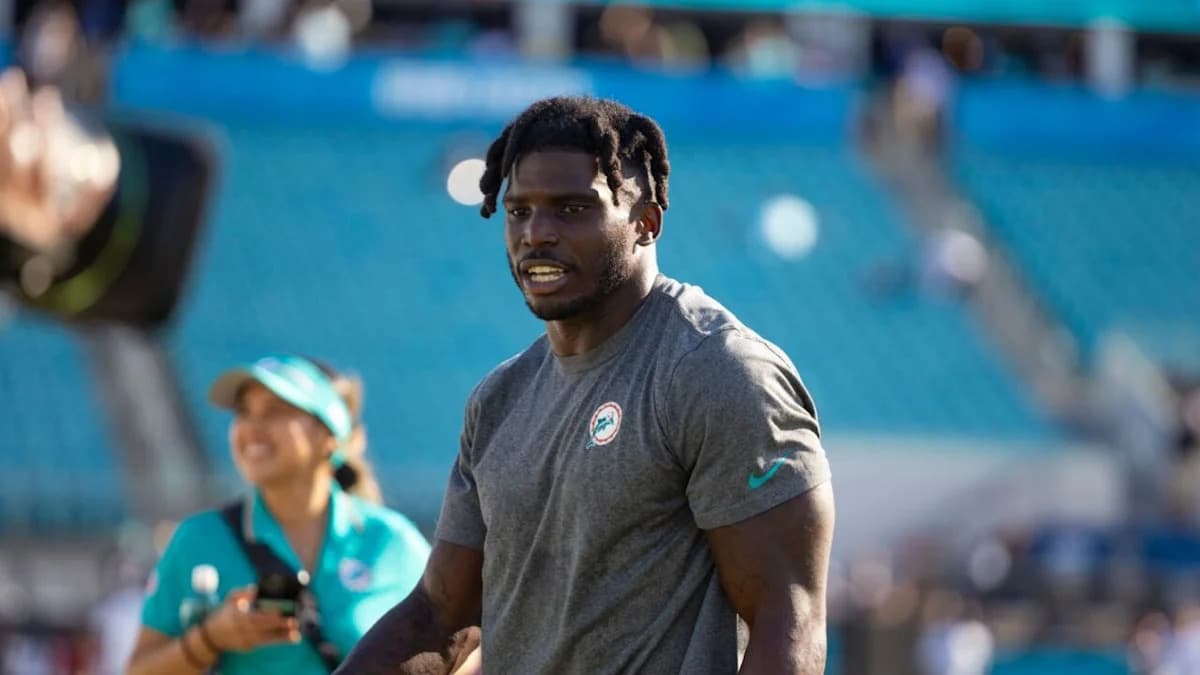
- **Jeff Hafley’s careful handling of the Miami Dolphins’ quarterback situation** highlights the delicate balance coaches must strike among player development, ownership expectations, and media scrutiny. Hafley’s emphasis on transparent, patient communication amid Tua Tagovailoa’s uneven performance anchors a fragile organizational equilibrium.
- **Robert Saleh’s reinstatement as Tennessee Titans head coach** reinforces the league’s preference for leaders who combine emotional intelligence with ethical clarity to repair fractured cultures, signaling a trend toward principled, transparent leadership models.
- The **NFL Scouting Combine’s increasing role as a strategic media platform** remains evident as franchises like the Pittsburgh Steelers time coordinator hires to coincide with Aaron Rodgers’ uncertain future, intertwining football decisions with public relations strategy.
- **Washington Commanders’ internal coaching friction** between Dan Quinn and Kliff Kingsbury, made public through candid interviews, underscores how leadership divides ripple into team morale and performance.
- **New coaching turbulence has emerged** with the surprising announcement of the Houston Texans’ coaching change immediately following C.J. Stroud’s playoff meltdown—a move widely criticized for its timing and perceived owner–coach–quarterback pressure dynamics. This development spotlights how quickly coaching stability can unravel amid performance crises.
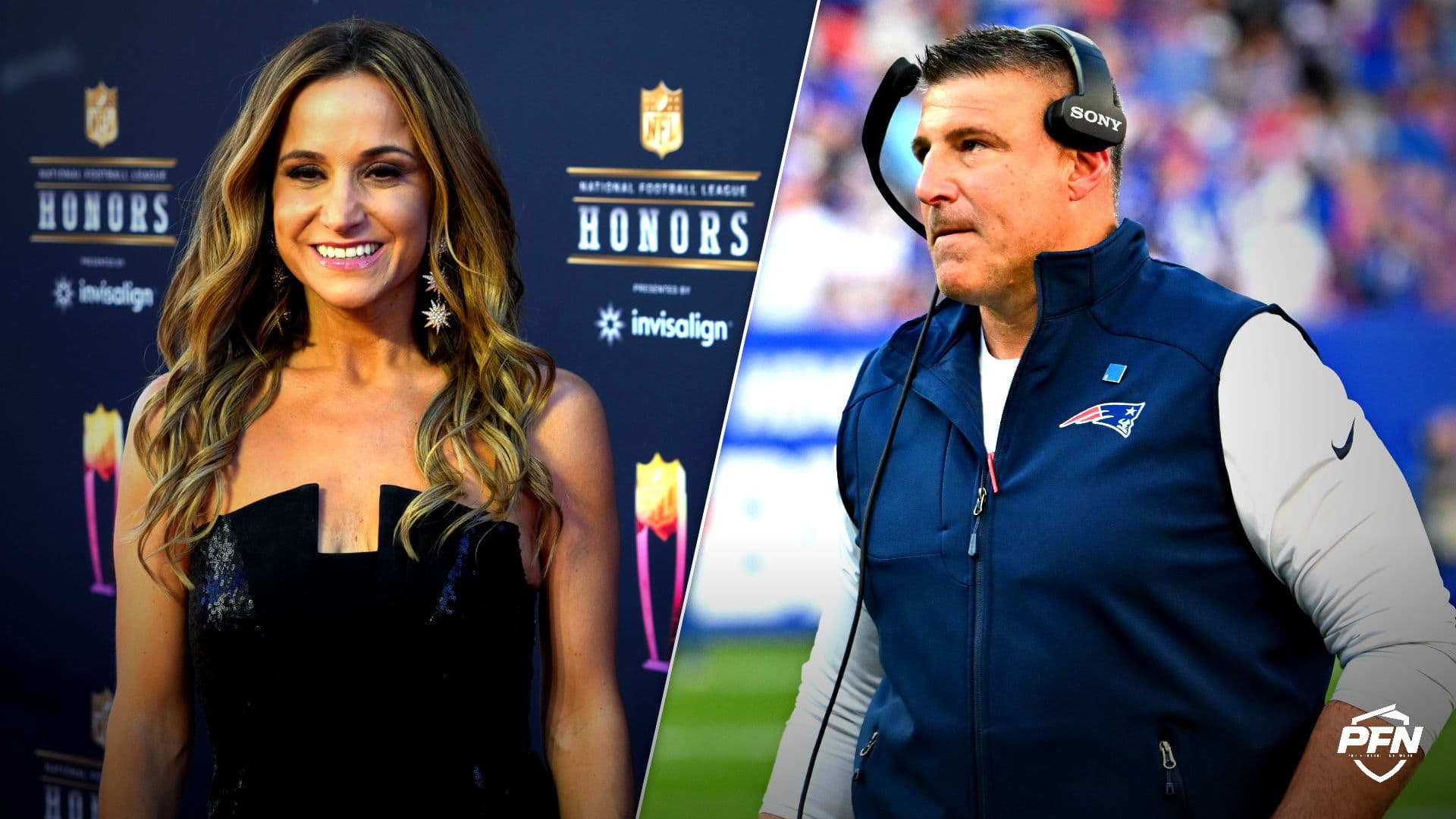
- **Mike Vrabel’s recent public comments addressing Stefon Diggs’ offseason allegations** with the New England Patriots further exemplify the ethical and leadership turbulence franchises now routinely face, requiring coaches to serve as both ethical arbiters and media interlocutors.
Together, these examples confirm that **hybrid head coaching success in 2026 demands a seamless blend of tactical innovation, media dexterity, and ethical leadership**—qualities critical to organizational stability amid leaguewide upheaval.
---
### Owner–Quarterback–Media Flashpoints: Family and External Voices Amplify Franchise Volatility
Quarterbacks remain the NFL’s most potent centers of franchise stability and discord, with their status intricately linked to ownership decisions and media narratives. Recent developments have added new, complicating layers:
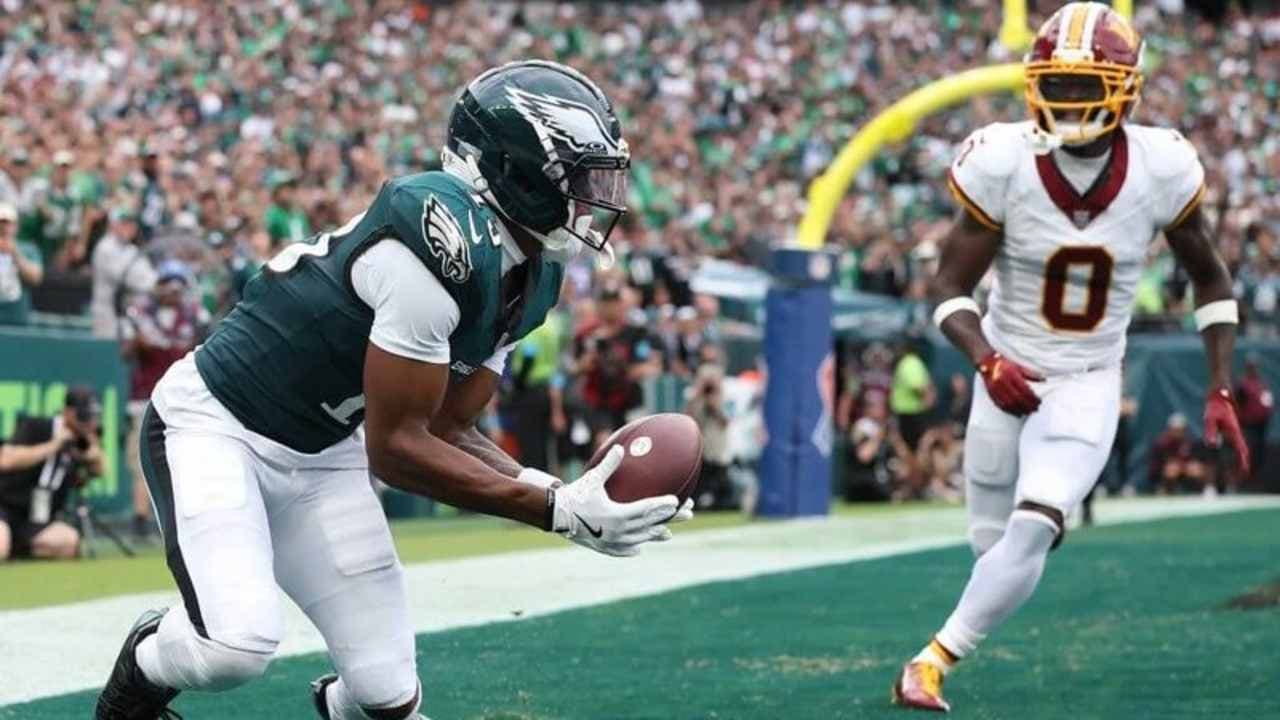
- The **Philadelphia Eagles’ AJ Brown–Jalen Hurts saga** continues to roil the franchise. Sirianni’s public support of Hurts aims to preserve coaching authority and locker-room unity, yet Brown’s trade demands and unresolved tensions threaten offensive identity and culture.
- The **Atlanta Falcons’ deep organizational divisions over quarterback direction** persist, fueling fan frustration and media speculation about a broader leadership crisis.
- Across the AFC North, **quarterback uncertainty with the Pittsburgh Steelers and Cleveland Browns** has sparked fan protests and internal unrest, particularly as Aaron Rodgers’ Steelers future remains unsettled.
- The **Miami Dolphins’ delicate balance with Tua Tagovailoa** remains a high-wire act. Hafley’s transparent communication style seeks to manage the tripartite pressures of player development, ownership expectations, and media narratives.
- Adding a new dimension, **Jayden Daniels’ mother publicly rebuked coaching staff amid offseason controversies**, marking an unprecedented example of family members becoming active, vocal stakeholders in the media narrative. This personal intervention complicates coaching and management strategies and highlights how external familial voices now significantly influence franchise dynamics.
- **Veteran coach Sean Payton’s recent public warning to the Baltimore Ravens regarding the ongoing Lamar Jackson drama** injects an external, experienced perspective into a fraught internal debate, illustrating how quarterback controversies attract leaguewide scrutiny and pressure.
- In a fresh controversy, **two Baltimore Ravens players admitted to blown calls against the Steelers, publicly criticizing the NFL’s officiating**. This admission, widely covered in the media, has intensified scrutiny on the Ravens’ leadership and further destabilized the franchise’s public image amid ongoing NFL ethics probes targeting GM Eric DeCosta’s personnel decisions.
These developments paint a complex picture of the **owner–quarterback–media nexus**, now complicated by family interventions and external voices, increasing the stakes for franchises trying to maintain cohesion and control over their narratives.
---
### Ethics Investigations and Leadership Turmoil Persist Across Key Franchises
Ethics probes and leadership instability continue to challenge several NFL franchises, threatening both reputations and operational momentum:
- The **Baltimore Ravens remain under NFL ethics investigation**, with scrutiny focused on GM Eric DeCosta’s personnel choices. Viral social media content and player criticisms of officiating have compounded public skepticism and internal morale challenges. Sean Payton’s comments underscore external doubts about organizational stability.
- The **Kansas City Chiefs have intensified efforts to embed emotional intelligence and ethical reforms** into their culture, seeking to reposition themselves as a model for leadership turnaround following recent scandal-induced shakeups.
- The **Las Vegas Raiders continue to grapple with coordinator vacancies and player unrest**, revealing defensive leadership gaps and broader organizational instability.
- Both the **Philadelphia Eagles and Miami Dolphins wrestle with cultural divides**—the Eagles caught between offensive innovation and tradition, the Dolphins balancing creative risk-taking with team unity. These philosophical clashes threaten on-field execution and locker-room harmony.
- The lingering fallout from the **Fernando Mendoza scandal** persists as a cautionary backdrop influencing hiring practices and organizational trust leaguewide.
- On a related note, the **New England Patriots’ offseason turbulence involving Stefon Diggs’ allegations** and Mike Vrabel’s public handling of the issue highlight the increased ethical scrutiny coaches must navigate.
---
### Systemic Leadership Challenges: Turnover, Philosophical Rifts, and Uneven DEI Progress
The NFL’s leadership volatility is compounded by systemic issues undermining continuity and culture-building:
- **High coaching turnover rates** continue to erode organizational stability, notably in franchises like the Steelers, where frequent changes hinder sustained progress.
- **Philosophical rifts between traditionalists and innovators fragment staff cohesion and player development**, complicating identity formation and strategic alignment.
- **DEI (Diversity, Equity, and Inclusion) efforts remain uneven** despite Commissioner Roger Goodell’s calls for meaningful reform. Transparent hiring, mentorship programs, and accountability measures vary significantly across franchises, limiting leaguewide progress in diversifying coaching and executive ranks.
Franchises that exemplify the so-called **“Belichick effect”**—embracing transparent meritocracy, ethical leadership, and competitive compensation—such as the Seattle Seahawks and Pittsburgh Steelers, demonstrate stronger staff retention and organizational resilience, offering a blueprint for navigating NFL leadership turbulence.
---
### Strategic Imperatives for Navigating the 2026 Leadership Maelstrom
Experts and analysts emphasize several critical strategies franchises must adopt to stabilize and thrive amid ongoing upheaval:
- **Formalize Owner–Quarterback–Media Communication Protocols**: Establish clear, respectful channels that balance ownership authority, quarterback voice, and coaching autonomy to prevent destructive conflicts and align public messaging.
- **Institutionalize Ethical, Meritocratic Leadership**: Adopt transparent hiring practices, codify ethical standards, and offer competitive compensation to build trust and retain top-tier talent, emulating the “Belichick effect.”
- **Enhance Crisis and Media Response Capabilities**: Develop dedicated rapid-response teams with ethical oversight to proactively manage controversies and shape narratives before escalation.
- **Elevate Media Literacy Among Leadership**: Train coaches and front-office personnel to counter divisive media narratives, sustain locker-room morale, and engage fans constructively.
- **Accelerate Transparent DEI Initiatives**: Commit to open hiring, intentional mentorship programs, and measurable accountability to diversify and strengthen coaching and executive pipelines.
---
### Conclusion: Hybrid Leadership as the NFL’s Competitive Keystone Amid 2026 Turbulence
The 2026 NFL season confirms that the hybrid head coach—melding tactical innovation, emotional intelligence, and ethical stewardship—remains the league’s most vital organizational asset. Robert Saleh’s return to the Tennessee Titans and the Seattle Seahawks’ resilient culture exemplify how embracing these qualities fosters sustained competitiveness and stability.
Conversely, franchises mired in leadership fractures and off-field controversies—including the Eagles, Falcons, Browns, Steelers, Ravens, Raiders, Dolphins, Texans, and Patriots—face escalating risks to on-field success and long-term viability. The intensifying owner–quarterback–media triad, now amplified by familial interventions like Jayden Daniels’ mother’s public criticism and external voices such as Sean Payton’s warnings, raises the stakes dramatically.
As power dynamics and media environments continue to evolve, **clarity, transparency, and ethical conviction will increasingly define coaching leadership’s influence and value**. Franchises that master these elements will not only secure competitive viability but also shape the blueprint for NFL leadership excellence throughout this transformative decade.