The 2026 NFL leadership terrain continues to convulse under the weight of an intensifying **owner–quarterback–media triad**, deepening ethics investigations, and the expanding, hybridized demands placed on head coaches. Recent developments—from high-profile coaching shakeups to emerging quarterback controversies amplified by family and media voices—have only sharpened the leaguewide volatility that defines this era. Success increasingly depends on franchises’ ability to navigate these overlapping pressures with **clarity, transparency, and ethical leadership**.
---
### The Hybrid Head Coach: Tactical Innovator, Media Strategist, and Ethical Leader Remains Central
The role of the NFL head coach in 2026 is more complex and demanding than ever, requiring a seamless integration of **football expertise**, **media savvy**, and **ethical stewardship**. The latest moves and statements across the league reinforce this hybrid leadership model:
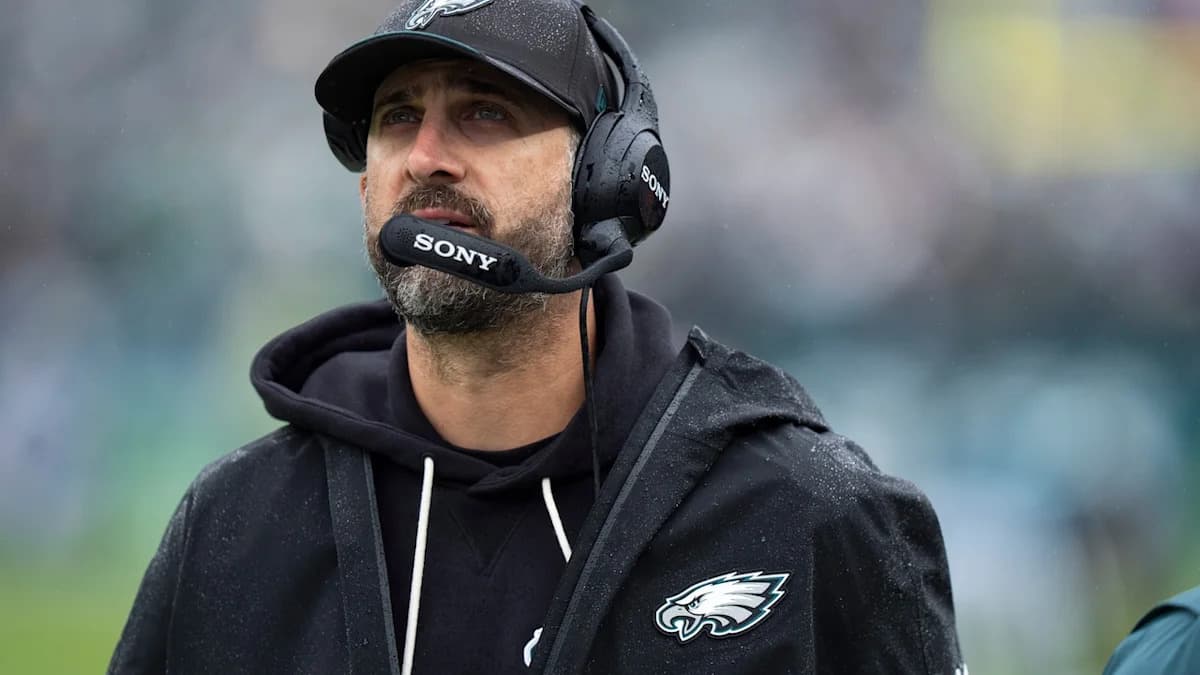
- **Nick Sirianni’s continued public defense of Jalen Hurts** amid the lingering AJ Brown trade fallout remains a textbook example of a coach managing external narratives to protect team cohesion. His recent appearances on *The Rich Eisen Show* emphasize how coaches must proactively engage media to counter divisive storylines and reinforce locker-room unity.
- **Jeff Hafley’s strategic transparency with the Miami Dolphins** reflects the fine line coaches walk when managing a talented but inconsistent quarterback like Tua Tagovailoa. Hafley’s patient communication style, underscored in recent interviews, helps balance ownership expectations and media scrutiny amid ongoing debates about Tua’s future.
- The **Houston Texans’ surprise quarterback coach change**, with Jerrod Johnson replaced by veteran Jerry Schuplinski, directly impacts the development and stability of young star C.J. Stroud. This move, coming immediately after Stroud’s playoff struggles, spotlights how franchise leadership reacts swiftly—and controversially—to on-field performance, often exacerbating coaching volatility and quarterback uncertainty.
- **Robert Saleh’s reinstatement as Tennessee Titans head coach** signals a broader league trend favoring leaders who combine tactical innovation with emotional intelligence and ethical clarity to rebuild fractured organizational cultures.
- The **Washington Commanders continue to surface internal coaching conflicts**, notably between Dan Quinn and Kliff Kingsbury, with candid interviews revealing leadership fissures that undermine team morale and performance.
- **Mike Vrabel’s public statements addressing Stefon Diggs’ offseason allegations** with the New England Patriots exemplify how coaches must now act as ethical arbiters and media interlocutors, carefully navigating highly sensitive issues to maintain organizational integrity.
- The **NFL Scouting Combine’s role as a strategic media stage** remains critical, with teams like the Pittsburgh Steelers timing coordinator hires to coincide with quarterback Aaron Rodgers’ uncertain status, blending football decisions with public relations strategy.
Collectively, these examples highlight the **evolving demands on NFL head coaches** as they juggle tactical, interpersonal, and ethical responsibilities amid an ever-more scrutinized spotlight.
---
### Owner–Quarterback–Media Flashpoints: Family and External Voices Further Complicate Franchise Stability
Quarterbacks remain the central fulcrums of NFL franchise stability and turmoil, with their status intimately linked to ownership decisions and media narratives. 2026 has introduced new layers of complexity, including unprecedented family interventions and external expert voices:
- The **Philadelphia Eagles’ AJ Brown–Jalen Hurts saga** remains a destabilizing force. Sirianni’s vocal support for Hurts attempts to shore up coaching authority and locker-room cohesion, but Brown’s ongoing trade demands fuel uncertainty around the offensive identity.
- The **Atlanta Falcons’ organizational divisions over quarterback direction** persist, deepening fan frustration and casting doubt on leadership cohesion.
- Across the AFC North, **quarterback uncertainty with the Pittsburgh Steelers and Cleveland Browns** fuels ongoing unrest. Aaron Rodgers’ Steelers future remains unsettled, while the Browns’ quarterback controversy between veteran Deshaun Watson and rising star Shedeur Sanders has become a major external media flashpoint.
- Bomani Jones’s recent deep dive on this Browns QB battle frames it as a **“disaster” for team culture and leadership**, illustrating how public media narratives intensify internal tensions and challenge coaching authority.
- The **Miami Dolphins’ quarterback situation with Tua Tagovailoa** remains precarious, with Ian Rapoport recently discussing the possibility that both Tua and Kyler Murray could start for new teams in 2026. This speculation adds to the broader narrative of quarterback flux and franchise uncertainty.
- In a notable new development, **Jayden Daniels’ mother publicly rebuked Miami’s coaching staff amid offseason controversies**, marking an unprecedented example of family members becoming vocal stakeholders in media narratives. This external familial pressure complicates coaching and management strategies, raising the stakes for maintaining organizational control.
- Veteran coach **Sean Payton’s public warning to the Baltimore Ravens** about the ongoing Lamar Jackson drama injects a respected external voice into an already fraught quarterback controversy, underscoring how these disputes attract leaguewide scrutiny beyond the immediate franchise.
- Adding to the Ravens’ turmoil, **two key players admitted to blown calls in a critical game against the Steelers and openly criticized NFL officiating**, further destabilizing the franchise’s public image amid ongoing ethics investigations into GM Eric DeCosta’s personnel decisions.
These developments portray an increasingly **complex owner–quarterback–media nexus**, now compounded by family interventions and external commentary, which franchises must carefully manage to preserve cohesion and narrative control.
---
### Ethics Investigations and Leadership Turmoil Continue to Undermine Key Franchises
Ethical scrutiny and leadership instability remain persistent challenges threatening NFL franchises’ reputations and operational stability:
- The **Baltimore Ravens’ ethics investigation deepens**, focused on GM Eric DeCosta’s controversial personnel decisions. Social media virality around player criticisms of officiating and public admissions of blown calls have intensified skepticism about the franchise’s leadership and integrity.
- The **Kansas City Chiefs push forward with embedding emotional intelligence and ethical reforms** into their culture, aiming to position themselves as a leadership turnaround exemplar after recent scandals rocked their organization.
- The **Las Vegas Raiders struggle with coordinator vacancies and player unrest**, exposing defensive leadership voids and broader organizational instability.
- Both the **Philadelphia Eagles and Miami Dolphins wrestle with internal cultural divides**—the Eagles caught between offensive innovation and tradition; the Dolphins balancing creative risk-taking with team unity. These philosophical splits threaten consistent on-field execution and locker-room harmony.
- Lingering fallout from the **Fernando Mendoza scandal** continues to influence leaguewide hiring practices and trust-building efforts, emphasizing the lasting impact of ethics failures.
- The **New England Patriots’ offseason turmoil involving Stefon Diggs and Mike Vrabel’s public handling** highlight the increased ethical scrutiny coaches face, underscoring the necessity for principled leadership amid sensitive issues.
---
### Systemic Leadership Challenges: High Turnover, Philosophical Rifts, and Uneven DEI Progress Hamper Stability
Underlying the visible leadership crises are systemic challenges that undermine continuity and culture-building:
- **High coaching turnover rates** persist, particularly in franchises like the Steelers, where frequent changes hinder sustained progress and organizational identity formation.
- **Philosophical rifts between traditionalists and innovators** fracture staff cohesion and complicate player development, creating internal tensions over strategic direction.
- **DEI (Diversity, Equity, and Inclusion) initiatives remain uneven**, despite Commissioner Roger Goodell’s renewed calls for meaningful reform. Transparent hiring, mentorship programs, and accountability vary widely across franchises, limiting leaguewide progress in diversifying coaching and executive ranks.
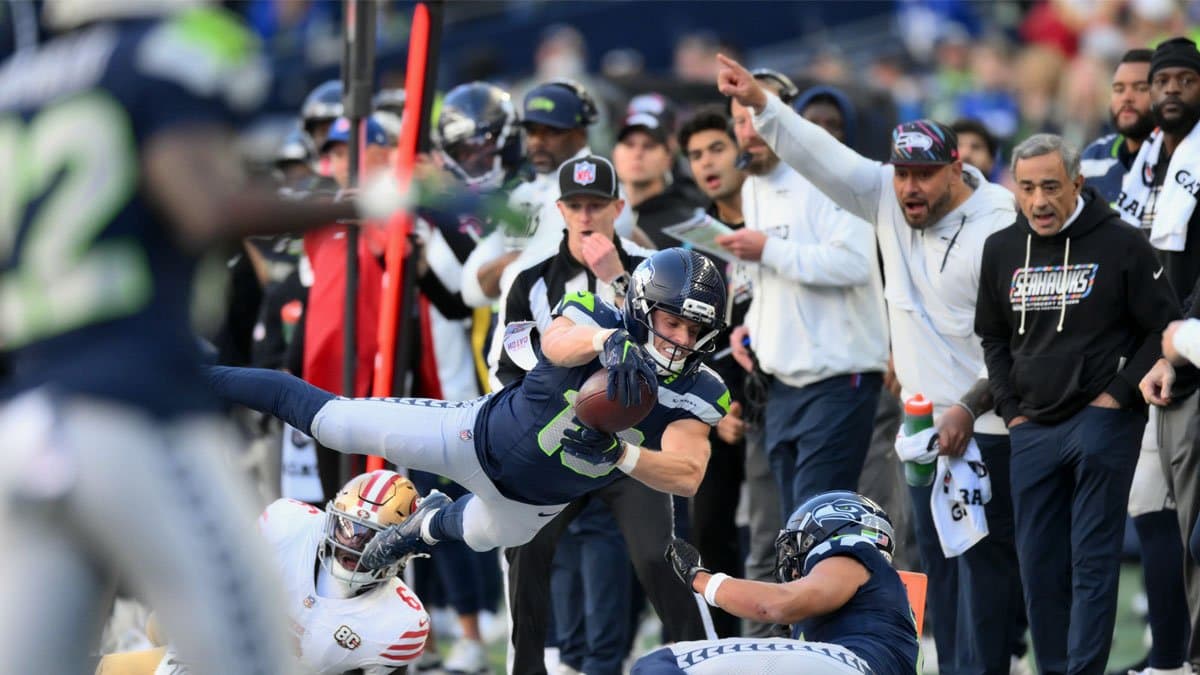
Franchises that demonstrate the so-called **“Belichick effect”**—emphasizing transparent meritocracy, ethical leadership, and competitive compensation—such as the Seattle Seahawks and Pittsburgh Steelers, show stronger staff retention and organizational resilience, offering a potential blueprint for navigating NFL leadership turbulence.
---
### Strategic Imperatives to Navigate the 2026 Leadership Maelstrom
Experts and analysts continue to stress critical strategies for franchises seeking stability and success amid ongoing upheaval:
- **Formalize Owner–Quarterback–Media Communication Protocols:** Establish clear, respectful channels balancing ownership authority, quarterback voice, and coaching autonomy to prevent destructive conflicts and align public messaging.
- **Institutionalize Ethical, Meritocratic Leadership:** Implement transparent hiring practices, codify ethical standards, and offer competitive compensation to build trust and retain top-tier talent, mirroring the “Belichick effect.”
- **Enhance Crisis and Media Response Capabilities:** Develop dedicated rapid-response teams with ethical oversight to proactively manage controversies and shape narratives before they escalate.
- **Elevate Media Literacy Among Leadership:** Train coaches and front-office personnel to counter divisive media narratives, sustain locker-room morale, and engage fans constructively.
- **Accelerate Transparent DEI Initiatives:** Commit to open hiring, intentional mentorship programs, and measurable accountability to diversify and strengthen coaching and executive pipelines.
---
### Conclusion: Hybrid Leadership Remains the NFL’s Competitive Keystone Amid 2026 Turbulence
The 2026 NFL season reaffirms that the **hybrid head coach—melding tactical innovation, emotional intelligence, and ethical stewardship—remains the league’s most vital organizational asset**. Robert Saleh’s return to the Tennessee Titans and the Seattle Seahawks’ resilient culture exemplify how embracing these qualities fosters sustained competitiveness and stability.
Conversely, franchises mired in leadership fractures and off-field controversies—including the Eagles, Falcons, Browns, Steelers, Ravens, Raiders, Dolphins, Texans, and Patriots—face escalating risks to on-field success and long-term viability. The intensifying owner–quarterback–media triad, now amplified by familial interventions like Jayden Daniels’ mother’s public criticisms and external voices such as Sean Payton’s warnings, raises the stakes dramatically.
As power dynamics and media environments continue to evolve, **clarity, transparency, and ethical conviction will increasingly define coaching leadership’s influence and value**. Franchises that master these elements will not only secure competitive viability but also shape the blueprint for NFL leadership excellence throughout this transformative decade.