The enduring synergy between **AMD’s Ryzen X3D processors** and **NVIDIA’s RTX 50-series midrange GPUs** continues to anchor the desktop PC performance landscape through 2029, especially for gamers and creators targeting **1440p and light 4K gaming**, **small form factor (SFF) builds**, and **balanced power and thermal efficiency**. Recent developments reinforce this ecosystem as the midrange “sweet spot,” offering a compelling blend of performance, efficiency, and value amidst ongoing supply constraints, memory cost volatility, hardware risks, and evolving best practices.
---
## Ryzen X3D + RTX 50-Series: Performance and Efficiency Remain the Gold Standard
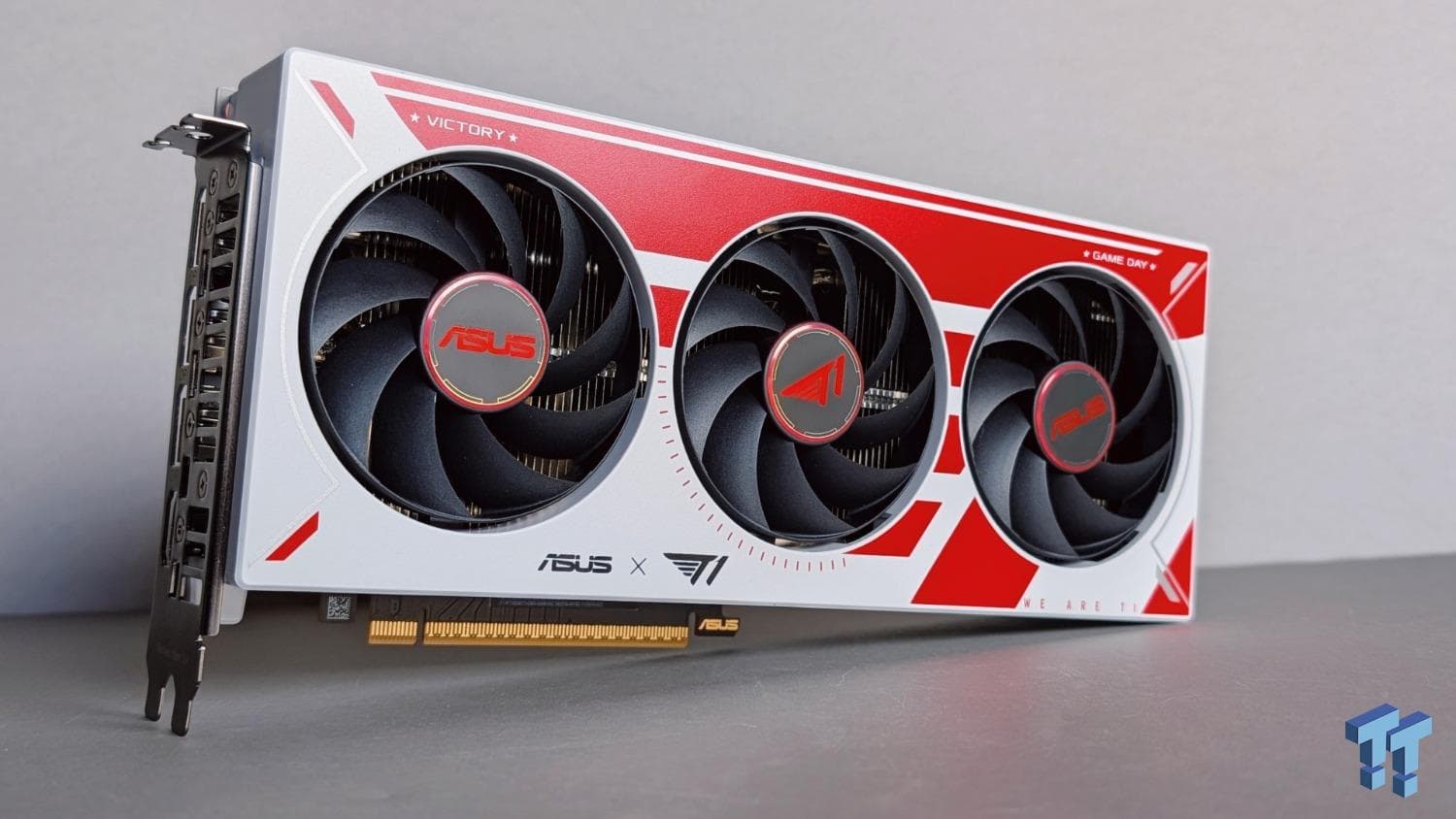
At the heart of this ecosystem, AMD’s **Ryzen 7 9850X3D** and **Ryzen 9 9950X3D** continue to lead by leveraging their **3D V-Cache technology**, which boosts gaming frame rates and productivity workloads with minimal thermal and power overhead. These CPUs maintain exceptional synergy with NVIDIA’s **RTX 5060 Ti**, **RTX 5070 Ti**, and **RTX 5070 Ti EVO** GPUs, which dominate the midrange segment by delivering:
- **Smooth, high-fidelity gaming experiences at 1440p and entry-level 4K**, enhanced by NVIDIA’s latest **DLSS 4 and 4.5 frame generation technologies**, allowing higher frame rates without sacrificing image quality.
- **Efficient power consumption and near-silent operation**, making them ideal for compact SFF builds with tight thermal constraints.
- **Outstanding price-to-performance ratios** that appeal to enthusiasts and content creators discouraged by flagship GPU scarcity and inflated pricing.
Recent benchmarks reaffirm that the **RTX 5070 Ti delivers approximately 50–60% of the RTX 5090’s raw frame rates** in demanding AAA titles at ultra settings. Undervolting combined with DLSS tech further narrows the performance gap. Desktop midrange GPUs retain a **15–20% performance advantage over laptop variants** due to higher clock speeds and superior DLSS 4.5 support. Meanwhile, AMD’s **RX 6700 XT** holds its place as a solid alternative for 1440p gaming, contributing healthy competition in the midrange GPU market.
---
## Market Dynamics: Memory Cost Volatility Reinforces Value of Bundles
A critical new factor shaping the PC build landscape is the **dramatic rise in memory costs**, with HP recently reporting during its Q1 2026 earnings call that **memory prices doubled within a single quarter**, now accounting for **35% of total PC build material costs**. This memory-price surge puts additional pressure on overall system pricing, amplifying the importance of strategic component bundling and price-conscious shopping.
Notable market developments include:
- **Newegg’s Ryzen 7 9850X3D + 32GB DDR5 + Gigabyte X870E Aorus motherboard bundle** remains an outstanding value proposition. The bundle features a steep $349 discount off MSRP, effectively pricing DDR5 RAM near $150 when combined with premium AM5 platform components. This deal mitigates the impact of rising memory prices, making high-end builds more accessible.
- Additional discounts on Gigabyte’s **X870E motherboards** lower the entry barrier for premium AM5 adoption.
- The **used GPU market** continues to offer potential bargains but requires caution and due diligence to avoid hardware risks (see below).
This memory cost volatility further positions midrange GPUs paired with Ryzen X3D CPUs as the **best cost-to-performance compromise**, especially as flagship GPU availability and pricing remain challenging.
---
## Small Form Factor (SFF) Builds: Cooling Innovations, Positive Pressure, and GPU Installation Guidance
The Ryzen X3D + RTX 50-series platform’s efficiency and thermal profile make it an ideal foundation for **SFF systems**, where space and cooling headroom are at a premium.
Key recent insights include:
- The **245K Mini ITX 5.8L case** combined with Intel’s Core Ultra 5 245K and RTX 5060 Ti/5070 GPUs delivers excellent thermal headroom and near-silent operation when paired with compact coolers like the **Thermalright AXP90-X47**.
- The **Thermalright Peerless Assassin 140 Digital cooler** has gained traction as a powerful yet space-conscious cooling solution for midrange builds. Detailed wiring and setup guides now available simplify installation across AMD and Intel platforms.
- Cases like the **TRYX Flova F50** and **Cooler Master Qube 540** support **positive pressure airflow** configurations, which reduce dust ingress and stabilize internal temperatures — a practice recently validated by CORSAIR’s whitepaper endorsing positive pressure as a leading best practice for compact systems.
- Importantly, a new community resource and tutorial video titled **“Another PC Build Series: Episode 6 | Let’s install our GPU”** provides a concise, user-friendly walkthrough on **proper GPU installation techniques**. This practical guide emphasizes verifying cable connections, avoiding connector strain, and ensuring proper seating in PCIe slots — critical steps to prevent hardware issues related to PCIe 16-pin cables and improve build stability.
Together, these advancements and resources empower builders to optimize cooling and airflow while minimizing installation errors, especially in cramped SFF environments.
---
## Hardware Risks and Reliability: Ongoing Vigilance Required
While the Ryzen X3D + RTX 50-series ecosystem offers outstanding performance and efficiency, several hardware fragilities and firmware challenges persist, demanding builder awareness and proactive mitigation.
### Motherboard VRM and CPU Concerns
- The **ASRock X870 Steel Legend WiFi motherboard** has been linked to **CPU failures on Ryzen 9 9950X processors**, primarily due to **fragile VRMs overheating under sustained load**, particularly in mid-tier boards with limited VRM cooling.
- The **ASUS TUF GAMING X870-PLUS WIFI recall** remains a cautionary example where aggressive BIOS voltage defaults caused VRM overheating and CPU damage.
- Builders should prioritize motherboards featuring:
- **Premium MOSFETs and capacitors**
- **Active VRM cooling**, such as dedicated VRM fans or vapor chambers
- **Robust heatsinks with high-quality thermal pads**
- Conservative BIOS voltage presets and ongoing firmware updates are critical to preventing overheating and hardware failure.
### GPU Firmware and Power Delivery Issues
- MSI’s **RTX 5090 Lightning XOC BIOS recall**, triggered by thermal shock fractures from aggressive voltage and clock tuning, highlights the necessity of **“stability-first” firmware** prioritizing hardware longevity over peak performance.
- An emerging concern involves **thermal degradation and intermittent failures in PCIe 5.0 16-pin power cables** powering RTX 50-series GPUs. These issues arise from inconsistent manufacturing quality and the high current demands of modern GPUs.
- Users should strictly adhere to the following precautions:
- Use only **PCIe 5.0-certified power supplies and cables**.
- Perform regular inspections of power cables for discoloration, deformation, or signs of melting.
- Avoid cheap or uncertified third-party cable replacements, which significantly increase fire and hardware damage risks.
---
## Best Practices for Stability, Longevity, and Performance
To maximize system durability and efficiency, builders and users are advised to:
- Choose **premium motherboards** with robust VRM designs and active cooling solutions.
- Favor **conservative BIOS and GPU firmware revisions** that emphasize stability over aggressive tuning.
- Employ **CPU and GPU undervolting** to reduce power draw and thermal stress, especially vital in SFF builds.
- Implement **positive pressure airflow configurations** tailored to your chassis.
- Use **real-time hardware monitoring tools** (e.g., MSI Afterburner, ASUS GPU Tweak III) to track voltages, temperatures, and power consumption.
- Keep BIOS and GPU drivers updated to benefit from incremental stability and performance improvements.
- Apply high-quality thermal compounds like **Thermal Grizzly Putty Pro PTM7950**, which can reduce GPU core temperatures by 3–5°C.
- Leverage new cooling solutions such as the **Thermalright Peerless Assassin 140 Digital** for excellent thermal performance and ease of installation in tight builds.
- During GPU installation, carefully verify cable and connector integrity, ensuring no undue strain or poor contacts, to avoid PCIe power delivery issues.
---
## CPU and GPU Pairing: Avoiding Bottlenecks for Optimal Performance
Balanced CPU-GPU combos remain essential to unlocking the full potential of midrange GPUs:
- AMD’s **Ryzen 7 5700X** and **Ryzen 5 7500F** continue to deliver excellent price-to-performance with minimal CPU bottlenecks.
- Intel’s **Core i5-14600KF** and **Core Ultra 5 series (e.g., 245K)** offer strong multi-threaded performance well matched to RTX 5060 Ti and RTX 5070-class GPUs.
- Community resources such as *“Fix CPU Bottleneck & Increase FPS Instantly”* provide actionable tips to optimize system performance.
---
## OS and Driver Considerations: Fine-Tuning for Stability and Performance
- **Hardware Accelerated GPU Scheduling (HAGS)** effects remain mixed; per-game and per-system testing is essential to gauge benefits.
- Keeping **GPU drivers and BIOS firmware up to date** unlocks incremental performance and compatibility gains.
- Custom fan curve setups help balance noise and cooling, particularly under variable workloads in compact systems.
---
## Used GPU Market: Proceed With Caution but Opportunity Awaits
The used GPU market remains a viable option for budget-conscious builders but demands careful scrutiny:
- Prioritize **verified sellers and refurbishers** offering warranties and clear return policies.
- Insist on **proof of operational health**, including BIOS/firmware details and video demonstrations.
- Use GPU health monitoring tools post-purchase to detect early signs of degradation or instability.
- Pair used GPUs with **high-quality power supplies and certified cables** to mitigate risks of damage or failure.
---
## Current Status and Outlook
The **Ryzen X3D + NVIDIA RTX 50-series midrange GPU ecosystem** remains the practical value leader for gamers and content creators focusing on **1440p and light 4K gaming** through 2029. Despite persistent flagship GPU shortages, motherboard VRM fragility, PCIe 5.0 cable reliability concerns, and GPU firmware challenges, informed builders who adopt conservative tuning, premium components, and vigilant maintenance can assemble **efficient, powerful, and compact systems**.
Memory price volatility, particularly the recent doubling reported by HP, sharpens the value proposition of strategic bundle deals like Newegg’s Ryzen 7 9850X3D + DDR5 + X870E motherboard package. Meanwhile, new GPU installation walkthroughs and positive pressure airflow best practices provide hands-on guidance to avoid hardware pitfalls.
By staying abreast of these evolving dynamics and rigorously following best practices, users can confidently harness the full potential of the Ryzen X3D and RTX 50-series midrange GPU ecosystem well into the decade.
---
### Selected Further Reading and Resources
- *Newegg Ryzen 7 9850X3D + DDR5 RAM + X870E Motherboard Bundles*
- *NVIDIA RTX 5070 Ti VS RTX 5090 4K Benchmarks | R9 9950X3D*
- *RTX 5060 + Ryzen 7 5700X : Test in 23 Games - RTX 5060 Gaming*
- *Fix CPU Bottleneck & Increase FPS Instantly*
- *🚨 NVIDIA Users WARNING: Your 16-Pin GPU Cable May Be Failing Right Now*
- *Positive Pressure vs Negative Pressure: Which is Best for a Gaming PC? | CORSAIR*
- *ASUS TUF GAMING X870-PLUS WIFI Board Seemingly Kills Owner's CPU*
- *MSI RTX 5090 Lightning GPU BIOS Recall and Thermal Shock Incident*
- *245K Mini ITX SFF PC BUILD! | 5.8L Compact case*
- *Thermalright Peerless Assassin 140 Digital wiring and setup guide (AMD and Intel tips)*
- *Another PC Build Series: Episode 6 | Let’s install our GPU #pcbuild #tech #pcbuilding*
- *Second-hand GPUs Aren't the Gamble They Used to Be*
- *HP says memory costs doubled in one quarter, now account for 35% of PC build materials*
---
By embracing these insights and maintaining cautious, quality-focused building habits, the Ryzen X3D + RTX 50-series midrange ecosystem will remain the foremost choice for balanced desktop gaming and content creation through 2029.