The **Ryzen X3D + NVIDIA RTX 50-series midrange GPU platform** continues to assert itself as the premier choice for gamers and content creators targeting **1440p and light 4K gaming** through 2029. This ecosystem’s blend of **advanced CPU cache technology, efficient GPU architectures, and AI-driven upscaling** delivers exceptional performance, power efficiency, and thermal management—qualities that are especially prized in **small form factor (SFF)** and mainstream desktop builds. Recent developments—from new benchmark insights and evolving market conditions to hardware risk mitigation and fresh buying guidance—further strengthen this midrange sweet spot, even as alternative options and component price volatility reshape the landscape.
---
## Ryzen X3D + RTX 50-Series: Sustaining Midrange Leadership Through 2026 and Beyond
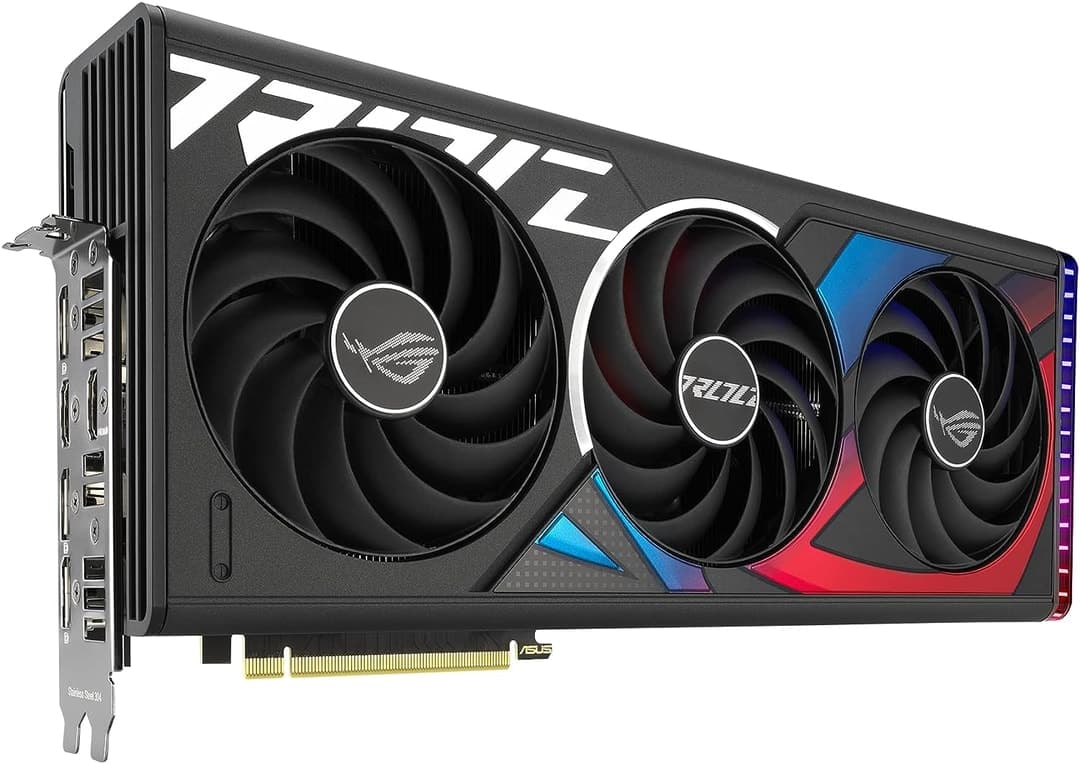
At the core of today's balanced desktop performance are AMD’s **Ryzen 7 9850X3D** and **Ryzen 9 9950X3D** processors. Their **3D V-Cache technology** continues to deliver meaningful improvements in frame rates and productivity without significant power or thermal penalties. This CPU prowess pairs seamlessly with NVIDIA’s **RTX 5060 Ti**, **RTX 5070 Ti**, and **RTX 5070 Ti EVO** GPUs, which have cemented themselves as the midrange workhorses for gaming and creative workloads.
**Key performance and technology highlights:**
- **DLSS 4 and 4.5 frame generation** technologies remain a game changer, enabling midrange GPUs to push higher frame rates at 1440p and entry-level 4K without compromising visual fidelity. This AI upscaling extends the lifespan and usability of RTX 50-series cards.
- Benchmark results from the *Resident Evil Requiem - 34 GPU Performance Review* confirm the **RTX 5070 Ti delivers approximately 50–60% of the RTX 5090’s frame rates** on demanding AAA titles at ultra settings. Undervolting and DLSS tuning narrow this gap further.
- Desktop RTX 50-series GPUs maintain a **15–20% performance advantage over laptop variants**, boosted by higher clocks and enhanced DLSS 4.5 support.
- AMD’s **RX 6700 XT**, while still viable for 1440p gaming, lags behind RTX 50-series GPUs in terms of efficiency, AI-driven upscaling, and overall price-to-performance ratio.
- New benchmarking content also revisits older midrange GPUs like the **RTX 3060**, which remains a budget-conscious option but shows clear limitations in modern AAA gaming and ray tracing workloads in 2026.
This combination of robust CPU cache benefits and AI-accelerated GPU features cements the Ryzen X3D + RTX 50-series as the **golden mean** for mainstream builds aimed at high-quality gaming without flagship price tags or power consumption.
---
## Market Dynamics: Navigating Memory Price Volatility and Bundled Savings
Memory pricing fluctuations have emerged as a dominant factor influencing PC build budgets. HP’s Q1 2026 earnings disclosed a staggering **doubling of memory prices within a single quarter**, now contributing to **35% of total PC build material costs**. This volatility pressures buyers but also opens avenues for savvy purchasing strategies:
- **Newegg’s Ryzen 7 9850X3D + 32GB DDR5 + Gigabyte X870E Aorus motherboard bundle** remains a standout value proposition, effectively discounting the total package by **$349 off MSRP**. This bundle prices DDR5 RAM at approximately **$150 per 32GB kit** when combined with a premium AM5 motherboard, softening the blow of soaring RAM costs.
- For budget-conscious gamers, **MSI’s recently launched $80 AM4 DDR4 motherboards** offer a compelling stopgap, enabling users to capitalize on cheaper **DDR4 RAM modules** while maintaining respectable gaming performance. This AM4 platform revival responds directly to the global RAM crisis and price inflation.
- An extraordinary consumer anecdote recently surfaced: a PC builder ordered a **32GB Corsair DDR5 kit for $300** but mistakenly received **10 kits valued at $3,000**. Plans to resell at pre-AI price levels illustrate the ongoing market unpredictability and potential windfalls for informed buyers.
- The used GPU market remains attractive for budget builds but requires heightened caution due to increased hardware fragility and warranty uncertainties (discussed below).
Together, these market factors reinforce the Ryzen X3D + RTX 50-series platform as a resilient choice amid fluctuating component prices and constrained availability of top-tier GPUs.
---
## Small Form Factor (SFF) Builds: Cooling Innovations and Installation Excellence
The Ryzen X3D + RTX 50-series platform’s **power efficiency and thermal headroom** make it ideal for SFF systems, where space and airflow are limited:
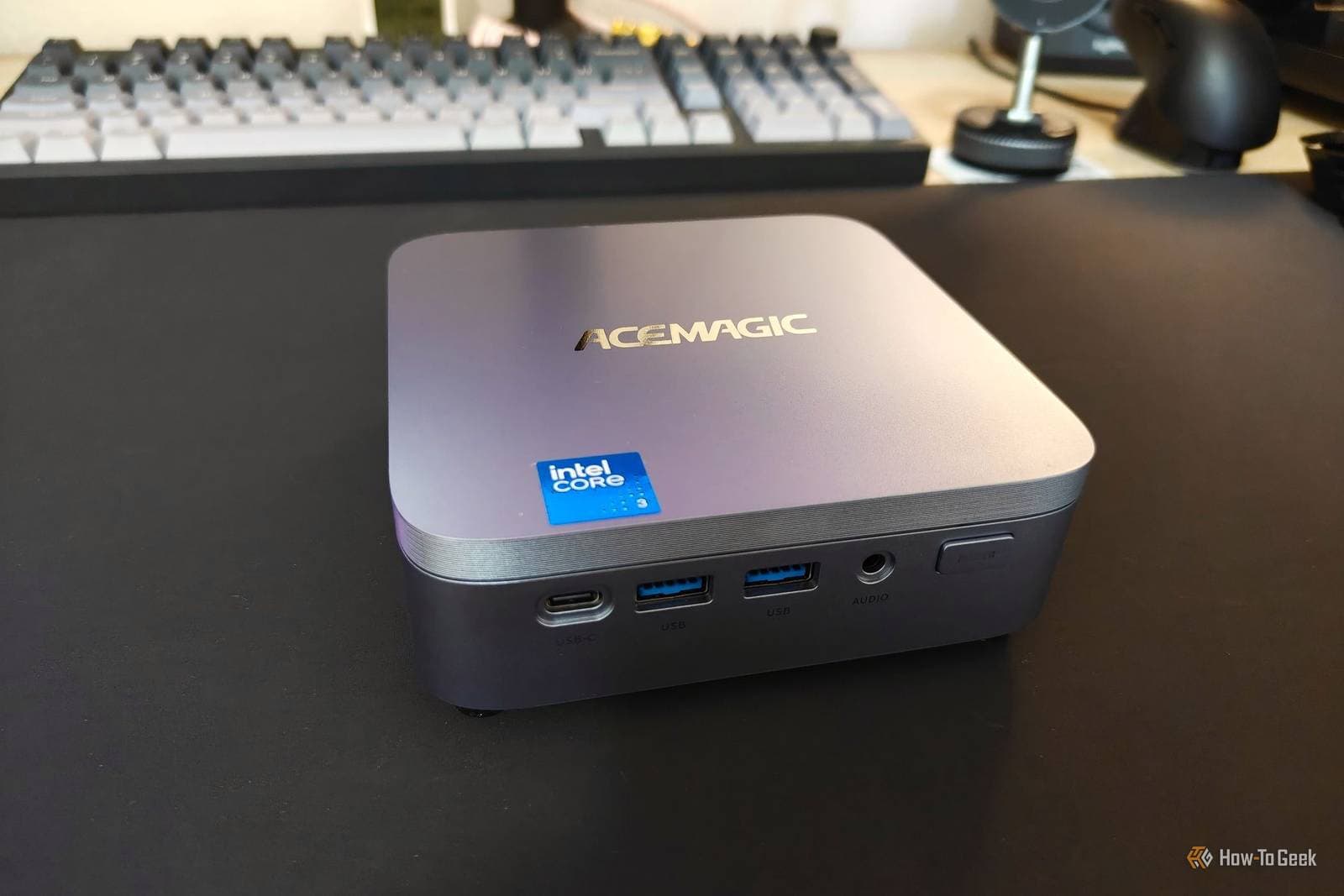
- The **245K Mini ITX 5.8L case**, paired with Intel’s Core Ultra 5 245K and RTX 5060 Ti/5070 Ti GPUs, offers impressive thermal management and near-silent operation. Compact coolers like the **Thermalright AXP90-X47** complement this setup perfectly.
- The **Thermalright Peerless Assassin 140 Digital cooler** has gained traction as a leading compact air cooler for midrange builds, offering excellent thermal performance without large footprints. Updated installation guides now simplify setup on both AMD and Intel platforms.
- Cases such as the **TRYX Flova F50** and **Cooler Master Qube 540** support **positive pressure airflow** configurations, which recent CORSAIR research highlights as optimal for reducing dust ingress and stabilizing temperatures in tight spaces.
- The community-driven tutorial series **“Another PC Build Series: Episode 6 | Let’s install our GPU”** provides detailed guidance on proper GPU installation, emphasizing:
- Correct PCIe slot seating to avoid connection issues
- Avoiding cable strain on PCIe 16-pin power connectors
- Checking cable integrity to prevent power delivery problems
These advances empower builders to optimize thermal performance and hardware reliability in increasingly compact and efficient builds.
---
## Hardware Risks and Mitigation: Vigilance Required
While the Ryzen X3D + RTX 50-series ecosystem excels in performance and efficiency, several hardware and firmware fragilities warrant caution:
### Motherboard VRM and CPU Vulnerabilities
- The **ASRock X870 Steel Legend WiFi** motherboard has been implicated in several **Ryzen 9 9950X CPU failures** caused by **VRM overheating**, particularly under sustained loads on mid-tier boards with insufficient VRM cooling.
- The infamous **ASUS TUF GAMING X870-PLUS WIFI recall** remains a stark warning, where aggressive BIOS default voltages triggered VRM thermal stress and CPU damage.
- Builders are advised to select motherboards with:
- **Premium MOSFETs and capacitors**
- **Active VRM cooling solutions** (dedicated VRM fans or vapor chambers)
- Robust heatsinks paired with quality thermal pads
- Conservative BIOS voltage presets and timely firmware updates are essential to reducing failure risks.
### GPU Firmware and Power Delivery Concerns
- The **MSI RTX 5090 Lightning XOC BIOS recall** underscored the dangers of aggressive clock and voltage tuning, which led to thermal shock fractures in some GPUs. Stability-focused firmware versions are strongly recommended.
- New reports highlight issues with **PCIe 5.0 16-pin power cables** used by RTX 50-series GPUs, including **thermal degradation and intermittent failures** due to inconsistent manufacturing and high current demands.
- Recommended precautions include:
- Using only **PCIe 5.0-certified power supplies and cables**
- Regular inspection of cables for signs of discoloration, deformation, or heat damage
- Avoiding uncertified or cheap third-party cables to minimize fire and hardware risks
---
## Best Practices for Stability, Longevity, and Performance Optimization
To maximize build reliability and performance, the following guidelines are strongly advised:
- Choose **premium motherboards** with robust VRM designs and active cooling.
- Favor **conservative BIOS and GPU firmware** versions prioritizing system stability over marginal performance gains.
- Implement **CPU and GPU undervolting** to reduce power draw and thermal stress, especially in SFF systems.
- Configure **positive pressure airflow** tailored to your chassis, reducing dust and improving cooling consistency.
- Use real-time monitoring tools like **MSI Afterburner** and **ASUS GPU Tweak III** to track voltages, temperatures, and power consumption.
- Keep BIOS, GPU drivers, and firmware regularly updated to benefit from incremental improvements.
- Apply high-quality thermal compounds such as **Thermal Grizzly Putty Pro PTM7950**, which has demonstrated **3–5°C GPU core temperature reductions**.
- Leverage compact coolers such as the **Thermalright Peerless Assassin 140 Digital** for excellent thermal performance in tight spaces.
- Follow detailed GPU installation tutorials to ensure proper PCIe connector seating and cable integrity, preventing power delivery issues.
---
## CPU and GPU Pairing: Avoiding Bottlenecks for Balanced Builds
Balanced CPU-GPU combinations remain essential for extracting peak midrange GPU performance:
- AMD’s **Ryzen 7 5700X** and **Ryzen 5 7500F** CPUs continue to offer excellent price-to-performance ratios with minimal bottlenecks.
- Intel’s **Core i5-14600KF** and **Core Ultra 5 series (e.g., 245K)** provide strong multi-threaded performance well matched to RTX 5060 Ti and RTX 5070-class GPUs.
- Intel’s newly released **Battle Matrix Benchmarks and Review** offer valuable insights into multi-GPU scaling and efficiency, particularly for those considering Intel Arc GPUs or Intel CPUs as alternatives.
---
## OS, Driver, and Software Considerations: Fine-Tuning for Stability
- The impact of **Hardware Accelerated GPU Scheduling (HAGS)** remains mixed; per-game and per-system testing is recommended to gauge benefits.
- Regularly updated GPU drivers and BIOS firmware continue to unlock incremental performance and compatibility enhancements.
- Custom fan curve profiles help balance noise and cooling, especially in variable workloads typical of compact builds.
---
## Used GPU Market: Opportunities Amid Caution
The secondhand GPU market remains a viable option for budget builders but demands enhanced vigilance:
- Prioritize purchases from **verified sellers and refurbishers** offering warranties and return policies.
- Request operational proof, including BIOS/firmware versions and video demonstrations.
- Use GPU monitoring tools immediately after purchase to detect early signs of degradation or instability.
- Pair used GPUs with **high-quality power supplies and certified cables** to mitigate damage risks.
Recent benchmarks on legacy cards like the **RTX 3060** provide valuable data for buy/hold decisions, helping builders assess whether used options meet their performance needs.
---
## Outlook: A Balanced, Efficient Ecosystem for the Long Term
Despite ongoing challenges—including flagship GPU shortages, motherboard VRM fragility, PCIe 5.0 cable reliability concerns, and firmware stability issues—the **Ryzen X3D + NVIDIA RTX 50-series midrange ecosystem** remains the **best cost-to-performance compromise for mainstream 1440p and light 4K gaming** through at least 2029.
Strategic component bundles, such as Newegg’s Ryzen 7 9850X3D + DDR5 + X870E motherboard package, help offset memory price volatility, while SFF-focused cooling and installation innovations empower builders to maximize reliability and performance in compact form factors.
Emerging Intel CPU and GPU alternatives add competitive options, but the proven Ryzen X3D + RTX 50-series platform continues to anchor balanced desktop performance—delivering efficiency, power, and longevity in a complex and evolving PC ecosystem.
---
### Selected Further Reading and Resources
- *Newegg Ryzen 7 9850X3D + DDR5 RAM + X870E Motherboard Bundles*
- *NVIDIA RTX 5070 Ti VS RTX 5090 4K Benchmarks | R9 9950X3D*
- *Resident Evil Requiem - 34 GPU Performance Review*
- *Intel’s Battle Matrix Benchmarks and Review*
- *Lucky PC builder orders 32GB Corsair RAM kit for $300, claims they got a box of 10 worth $3,000 instead*
- *MSI's $80 AMD motherboards with DDR4 support swoop in amid RAM crisis*
- *Is RTX 3060 Still Good in 2026? | 20 Games Benchmark Test*
- *Fix CPU Bottleneck & Increase FPS Instantly*
- *🚨 NVIDIA Users WARNING: Your 16-Pin GPU Cable May Be Failing Right Now*
- *Positive Pressure vs Negative Pressure: Which is Best for a Gaming PC? | CORSAIR*
- *ASUS TUF GAMING X870-PLUS WIFI Board CPU Failure Incident*
- *MSI RTX 5090 Lightning GPU BIOS Recall and Thermal Shock Incident*
- *245K Mini ITX SFF PC BUILD! | 5.8L Compact Case*
- *Thermalright Peerless Assassin 140 Digital wiring and setup guide*
- *Another PC Build Series: Episode 6 | Let’s install our GPU*
- *Second-hand GPUs Aren't the Gamble They Used to Be*
- *HP says memory costs doubled in one quarter, now account for 35% of PC build materials*
- *Stop WASTING Money on Fancy RAM*
---
By staying informed and embracing a **quality-first, cautious approach**, builders and buyers can confidently harness the full potential of the Ryzen X3D + RTX 50-series midrange GPU ecosystem well into the decade, achieving the ideal balance of **performance, efficiency, and reliability** in both traditional desktops and compact form factors.