# Navigating the 2024 Financial Landscape: Fed Caution, Market Dynamics, and Global Flows — Updated with New Developments
The first half of 2024 has underscored an extraordinarily complex and volatile global financial environment. Central banks remain cautious amid internal and external uncertainties, geopolitics continues to influence capital flows, and international shifts in trade, reserve strategies, and investment patterns are reshaping the landscape. Recent developments—ranging from legal probes into Federal Reserve officials, market reactions to trade and AI jitters, to China’s strategic reserve diversification—add layers of complexity that market participants, policymakers, and investors must navigate carefully. This article synthesizes the latest information, emphasizing how these factors collectively impact liquidity, currency flows, and investment strategies as we move into the latter part of 2024.
---
## The Federal Reserve’s Caution and Internal Challenges
Building upon earlier assessments, the **Federal Reserve remains in a cautious, data-dependent stance**. The overarching narrative continues to be **"wait-and-see,"** with **interest rates expected to stay steady into at least mid-2024**. Yet, recent internal and external pressures are complicating this outlook.
### Policy Signals and Divergent Views
- **Interest rates** have largely **plateaued** through June, with **markets assigning minimal probability to immediate hikes or cuts**.
- Inflation metrics show **moderate declines**, yet **wage growth remains robust**, sustaining some inflationary pressures.
- **Core prices** continue to resist downward movement, challenging the Fed’s goal of a soft landing.
### Recent Remarks from Fed Officials
- **Beth Hammack (Cleveland Fed)** emphasized that **"interest rates could remain on hold for quite some time."**
- **Lorie Logan (Dallas Fed)** and **John Williams (NY Fed)** have highlighted **policy flexibility**, warning that **further tightening** might be needed if inflation **reaccelerates**.
### Internal and Political Headwinds
The **credibility of the Fed** faces **unprecedented scrutiny** amid **a criminal investigation targeting Chair Jerome Powell and senior officials**.
- The **legal probes and subpoenas** initially **shook markets**, causing **equity declines** and **dollar volatility**.
- **Political figures**, notably **former President Donald Trump**, have publicly claimed that the **dollar is 'great'**, fueling **speculation about potential interference**.
- Despite these challenges, **Fed officials continue to affirm their independence**, warning that **erosion of central bank autonomy** could **undermine confidence** and **destabilize markets**.
### Diverging Internal Perspectives
- **Vice Chair for Supervision Michael Schmid** advocates **caution against premature rate cuts**, warning that **persistent inflation** could **linger longer than expected**.
- Conversely, **some officials like Goolsbee** suggest **a potential path toward 'several' rate cuts later in 2024**, contingent on **inflation approaching the 2% target** and **supportive economic data**.
### Inflation Outlook and Model Challenges
Recent commentary—such as insights from **Barron’s**—raises questions **about the reliability of current economic models** in forecasting inflation. **Core price growth** remains **above 2%**, bolstered by **strong wage increases**, which **complicate the soft-landing narrative** and **add policy uncertainty**.
**Legal and political scrutiny** adds an unpredictable dimension, potentially influencing Fed decision-making and market confidence.
---
## Bond Market Dynamics: Bifurcation, Yields, and Liquidity
The **bond markets** continue to reflect **a bifurcated pattern**:
- The **2-year Treasury yield** has **eased to around 3.46%**, indicating **investor confidence in the Fed’s pause**.
- Meanwhile, **longer-term yields**—such as the **30-year Treasury**—have **risen approximately 9 basis points**, driven by **geopolitical risks**, **risk premiums**, and **international uncertainties**.
This **yield curve behavior** signals **market caution**: **short-term rates** reflect expectations of **stability or pause**, while **longer-term yields** incorporate **risks from geopolitical tensions** and **global economic uncertainties**.
### Liquidity Conditions
- While **liquidity has improved modestly**—thanks to **targeted liquidity injections** and **end-of-quarter interventions**—**fragility persists**.
- External shocks, geopolitical tensions, and **policy surprises** continue to threaten **market stability**.
- **Fragile liquidity conditions** are further evidenced by **heightened volatility following geopolitical escalations**, with markets remaining sensitive to **unexpected shocks**.
---
## Currency Flows and Safe-Haven Assets
### U.S. Dollar and Gold
- The **U.S. dollar** has **weakened from recent peaks**, reflecting **investor caution** about **policy stability** and **geopolitical risks**.
- **Gold** continues its **multi-month rally**, hitting **new highs** amid **geopolitical tensions** and **central bank gold purchases**, signaling **investor flight to safety**.
### Yen Volatility and BOJ Intervention Risks
- The **Japanese yen**, after experiencing **sharp appreciation on January 26**, has **sparked speculation** about **BOJ intervention** to **curb excessive gains**.
- Such **interventions** could **tighten FX liquidity**, **disrupt dollar flows**, and **increase market volatility**.
### China’s Reserve Diversification and Renminbi Internationalization
**China** is **actively recalibrating its reserve and trade strategies**:
- **Capital outflows** remain significant, with **about $68 billion exiting Chinese stock holdings**—the **largest since 2010**—indicating **risk mitigation efforts**.
- **Chinese companies** are **settling cross-border trade in euros**, aiming to **diversify away from dollar dependence**.
- **Trade surplus** hit a **record $1.2 trillion in 2025**, supported by **robust exports**, reinforcing **global trade resilience**.
**The renminbi** is **gaining traction as a global trade and reserve currency**:
- **Importers** are **settling more transactions in renminbi**, **saving up to 3%** on invoices.
- The **use of renminbi** in **cross-border trade** and **reserve holdings** is **accelerating**, challenging dollar dominance and **reshaping FX liquidity**.
- **Expert analyses**, such as in **Forbes**, highlight that **the internationalization of the renminbi** is **fundamentally reshaping** the **global currency landscape**.
---
## Geopolitical Risks, Tariffs, and Supply Chain Reconfiguration
### Tariff Policy Uncertainty
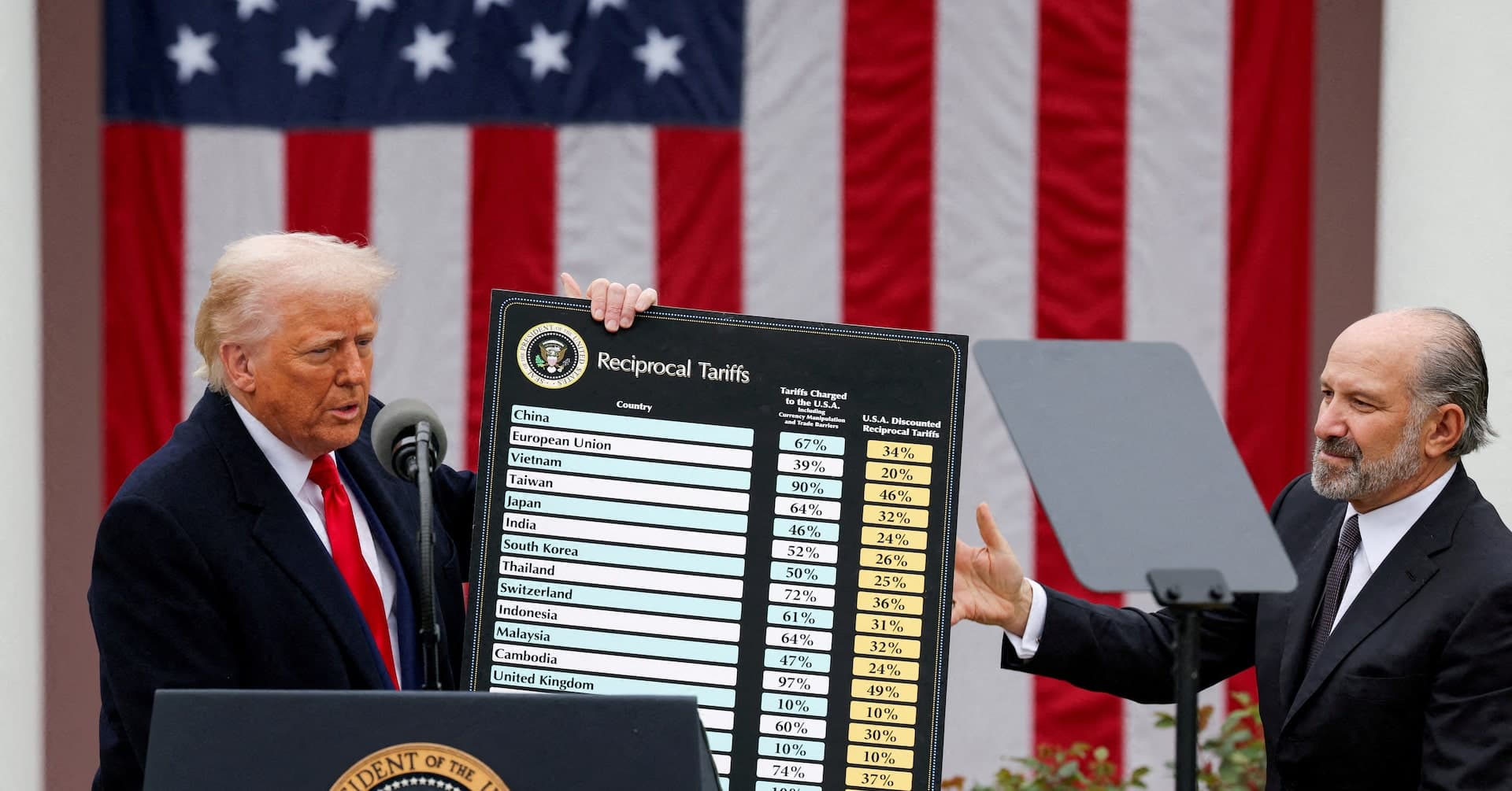
Recent reports indicate that **U.S. tariff rates are in flux**, with **uncertainty swirling** around **future trade policies**:
- **Lack of clarity** on tariff strategies **complicates trade negotiations** and **investment planning**.
- This **uncertainty** **raises costs** for exporters and importers, **disrupts supply chains**, and **heightens market volatility**.
### Supply Chain Diversification
The **escalating geopolitical tensions**—such as **US–China trade frictions**, **Taiwan Strait confrontations**, and **Russia-Ukraine conflicts**—are **prompting companies and nations** to **diversify supply chains**:
- Many are **reducing reliance on China**, shifting **toward Asia-Pacific partners** or **nearshoring**.
- These moves **disrupt established trade flows** and **increase geopolitical risks**, contributing to **market turbulence**.
### Sector Rotation and Market Sentiment
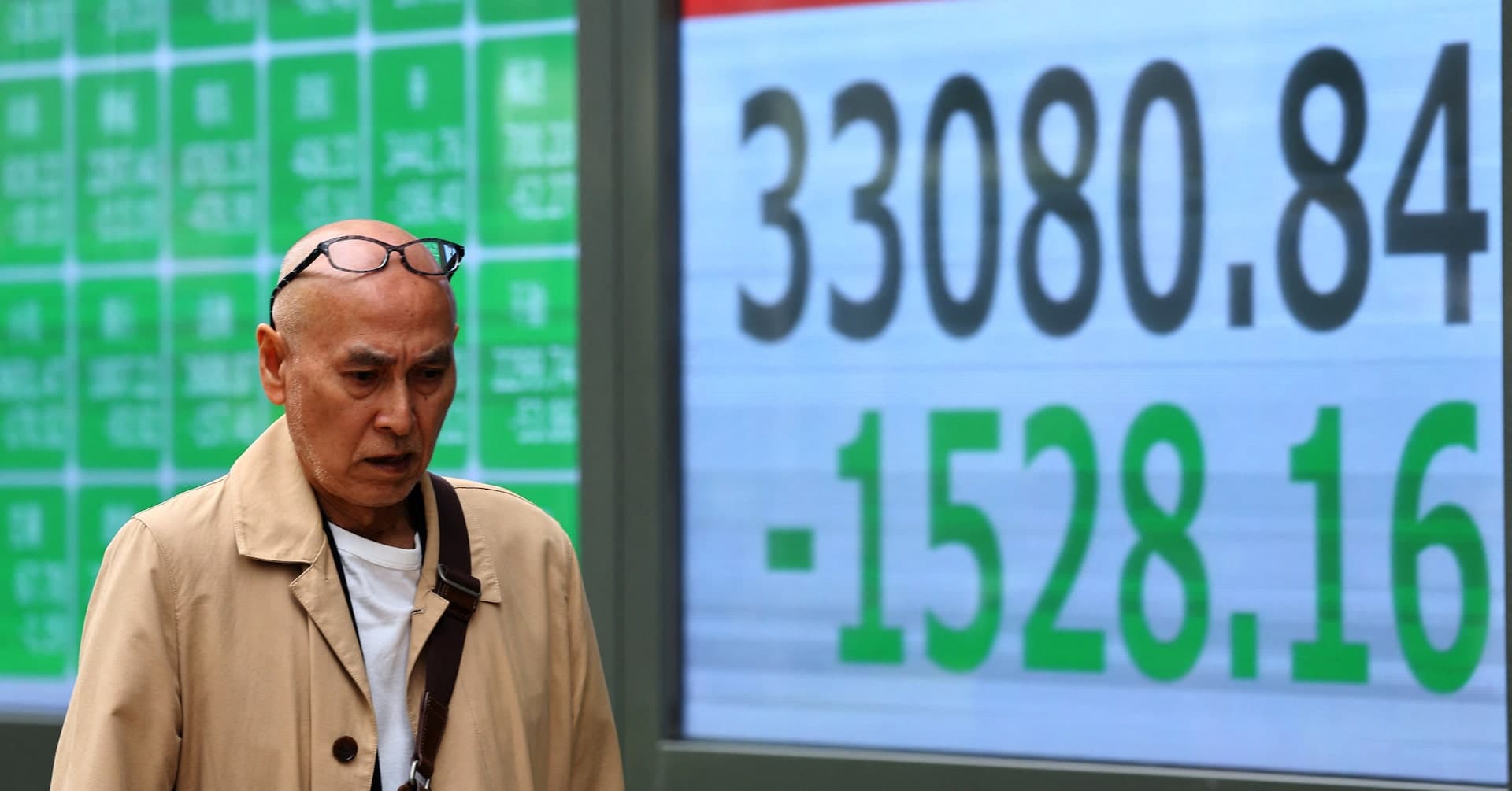
- Recent **market declines**—spurred by **AI jitters** and **tariff concerns**—have prompted **sector rotation into resilient assets**, notably **infrastructure** and **technology sectors**.
- **Active management** and **diversification** are now **central strategies** to **navigate ongoing turbulence**.
---
## New Developments: Market Flows and Strategic Insights
### Hedge Funds Re-enter Tech Stocks
**A notable recent development** is the **resurgence of hedge funds into major tech stocks** after weeks of selling. According to **Nell Mackenzie of Reuters**, **last week hedge funds bought the biggest tech stocks**, signaling a **subtle shift in risk appetite**:
> *"Hedge funds last week bought the biggest tech stocks as well as those considered undervalued,"* indicating **a cautious risk-on stance** amid broader uncertainties.
This **return to tech** suggests **some market participants are positioning for potential rebounds** or **valuation recovery** in the sector, despite ongoing macroeconomic headwinds. It also signals **a nuanced market view**—investors are cautiously optimistic about **technology’s resilience**.
### Sector and Asset Allocation Implications
- **Active FX hedging** and **regional diversification**, especially **increasing exposure to Asia**, are **more critical than ever**.
- **Monitoring legal and geopolitical developments** remains essential to **anticipate surprises**.
- **Sector rotation** into **resilient assets** such as **technology**, **infrastructure**, and **commodities** can **mitigate valuation risks**.
- **Market participants** should **remain flexible**, ready to **adjust positions rapidly** in response to **unexpected shocks**.
### US Investment in Chinese Equities and Global Flows
Recent data indicates **a rise in US investments in Chinese equities**, reflecting **continued confidence or strategic positioning despite geopolitical tensions**. Conversely, **Asian investments in US equities** have **declined in 2025**, signaling a **rebalancing of regional asset allocations**.
**William Bratton at BNP Paribas** notes:
> *"After emerging markets outperformed developed markets in 2025, US investors increased their exposure to Chinese equities, signaling a shift in regional risk appetite."*
Additionally, **$15 billion in inflows** into global markets **defied US–China tensions**, marking **the strongest buying activity in five years**. This underscores **a resilient global appetite for diversification and risk-taking**, even amid geopolitical challenges.
---
## Corporate Sector and Industry Signals
### Man Group’s Profit Decline and Industry Outlook
In a recent development, **Man Group**, one of the world’s largest hedge funds, **posted a profit hit** amid **asset underperformance**:
> *"Man Group shares fell on Thursday after the London-listed hedge fund posted a decline in profits, reflecting challenging market conditions and asset flows,"* reports Nell Mackenzie.
The **fund’s assets hit a record high**, yet **profitability suffered**, illustrating **pressure on hedge fund performance** amid **volatile markets**. This signals **broader industry challenges**: **liquidity constraints**, **risk aversion**, and **regulatory scrutiny** are **reshaping hedge fund strategies**.
### Implications for Market Liquidity and Risk Appetite
- The **financial industry’s struggles** highlight **tightening liquidity** and **heightened risk aversion**.
- **Hedge fund industry signals**, such as **profit declines**, suggest **a cautious environment** with **potentially reduced leverage and market participation**.
- Conversely, **hedge funds re-entering tech stocks** indicate **discretionary tactical shifts** amid **uncertain macro conditions**.
---
## Implications for Investors and Policymakers
- **Active risk management**, including **currency hedging** and **regional diversification**, remains **more vital than ever**.
- **Monitoring legal investigations**, **policy signals**, and **geopolitical tensions** can provide **early cues** to **market shifts**.
- **Sector rotation strategies** should emphasize **resilient sectors** and **international diversification** to **withstand volatility**.
- Policymakers face the ongoing challenge of **balancing inflation control** with **financial stability**, especially amid **external uncertainties** and **internal political pressures**.
---
## Current Status and Outlook
The **2024 environment** continues to be **highly turbulent**, driven by **central bank caution**, **legal and political uncertainties**, and **international strategic shifts**. The **interplay of legal probes**, **currency movements**, and **capital flows** will **continue shaping market sentiment and volatility**.
**Market participants** must **remain vigilant**, **diversify actively**, and **adapt rapidly** to **unexpected shocks**. The **second half of 2024** promises ongoing turbulence but also **opportunities for strategic positioning** within the **evolving global financial ecosystem**. Success hinges on **sound analysis**, **robust risk management**, and **flexibility** amid this complex landscape.
---
## Additional Notable Development: Hedge Funds Re-enter Tech Stocks
A **recent Reuters report** highlights that **hedge funds have begun buying into major technology stocks again after weeks of selling**. This **shift in risk appetite** suggests **some institutional investors are betting on a sector rebound**, possibly anticipating **valuation recoveries** or **sector resilience** against macro headwinds. Such movements could **bolster market sentiment** and influence **sector rotation strategies** moving forward.
---
## Final Thoughts
As we advance through the second half of 2024, the **interplay of legal scrutiny**, **geopolitical tensions**, **international capital flows**, and **central bank caution** will remain pivotal. **Investors and policymakers** must **navigate carefully**, leveraging **diversification**, **active management**, and **vigilant monitoring** to **capitalize on emerging opportunities and mitigate risks**. The evolving landscape demands **agility and strategic foresight**, with the understanding that **unexpected shocks** can rapidly alter the environment.
Ultimately, **2024’s financial ecosystem** continues to challenge conventional wisdom but also offers **unique opportunities** for those prepared to adapt in this **dynamic global setting**.