# 2026: A Pivotal Year Reshaping America’s Gun Rights and Regulations
As 2026 advances, it is increasingly evident that this year marks a watershed moment in the evolution of American firearm laws. The convergence of sweeping state, local, and federal actions has fundamentally altered the landscape—simultaneously expanding carry rights while imposing new mandates on storage, reporting, and sales. These developments are not only reshaping legal frameworks but also influencing social norms, safety practices, and political debates across the nation.
## Expanding Carry Rights: A Shift Toward Deregulation and Local Resistance
One of the most notable trends of 2026 is the broad movement to expand the right to carry firearms in public spaces. Several states have enacted permitless, or “constitutional carry,” laws that remove licensing requirements for law-abiding citizens, creating a more permissive environment for firearm possession.
**Key state-level developments include:**
- **West Virginia**: Through **House Bill 4106**, permitless carry has been extended to **individuals aged 18–20**, emphasizing **self-defense rights for young adults**. This move reflects a broader effort to lower restrictions for younger populations who previously faced more limitations.
- **Alaska and Missouri**: These states have **maintained their permitless carry regimes**, reaffirming their leadership in deregulation and setting examples for others.
- **California and New York**: Traditionally restrictive, these states are experiencing legal shifts. For instance, **California’s open carry ban was invalidated by a federal circuit court**, signaling a potential loosening of restrictions. Meanwhile, California has introduced **AB-2720**, which seeks to **tighten regulations on firearm imports and transactions**, illustrating ongoing tensions between deregulation advocates and safety concerns.
**Local resistance and sovereignty movements** are surging in response to these reforms:
- **Virginia**: Multiple counties and cities have declared themselves **Second Amendment sanctuaries**, **rejecting certain state restrictions** and asserting **local authority** to resist federal or state mandates.
- **Wyoming**: State lawmakers have **repealed restrictions** on firearms inside legislative buildings, now permitting **open carry within government spaces**. Notably, **Senator Mark Jones** has openly carried firearms into such venues to **test constitutional boundaries** and challenge long-standing restrictions.
- **Champaign County, Illinois**: Local officials have **supported statewide firearms accountability laws**, aligning local policies with broader reform efforts.
The debate over **firearms on college campuses** and within **government spaces** has intensified, with advocates framing these measures as measures to **enhance liberty and safety**, while opponents warn they could **escalate violence** or **disrupt institutional environments**.
## Federal Mandates: New Storage, Reporting, and Sales Regulations
In addition to state and local reforms, federal agencies have introduced **comprehensive mandates** that took effect in 2026, drastically increasing responsibilities for gun owners:
- **Mandatory secure storage**: Owners are now **obliged to store firearms safely**, employing safes, trigger locks, or similar devices to **prevent unauthorized access**, especially by minors or thieves.
- **Loss or theft reporting**: Owners must **report missing firearms promptly** to authorities, with penalties including **fines and sanctions** for non-compliance. This initiative seeks to **improve traceability** and **reduce straw purchases**.
- **Online ammunition sales ban**: A major legislative action, this ban aims to **tighten control over ammunition distribution** and **combat illegal trafficking**. While designed to **enhance safety**, critics warn that it could **limit access** for rural residents or individuals with disabilities who rely on online vendors.
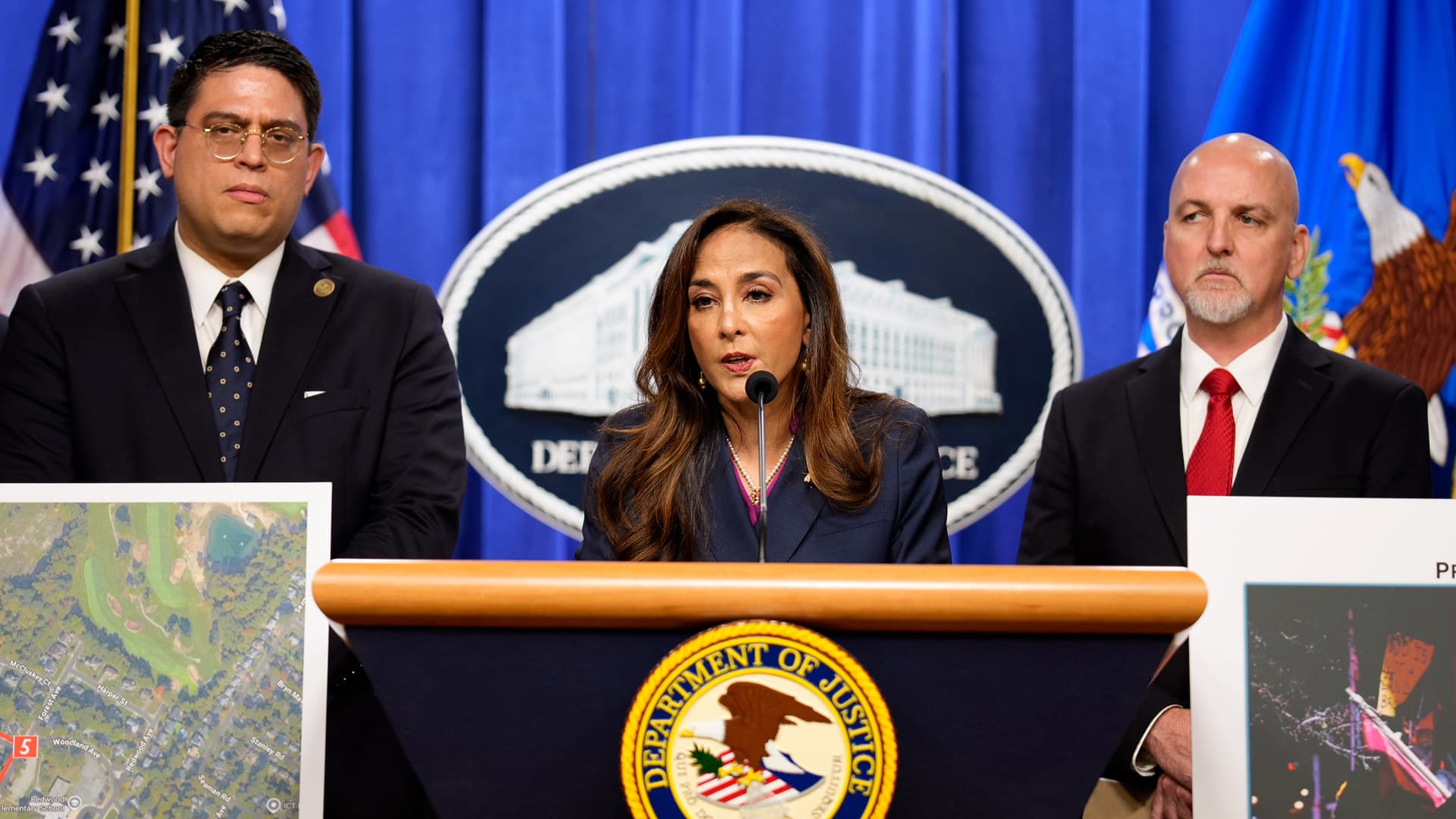
Furthermore, the **U.S. Department of Justice’s Civil Rights Division** has **launched a new Second Amendment Section**, actively **enforcing and defending gun rights** and **challenging restrictive laws**. This signals a **more assertive federal stance**, favoring expanded firearm freedoms.
### Notable Court Cases and Judicial Trends
The judicial landscape continues to be highly dynamic, with several landmark cases shaping the interpretation of firearm restrictions:
- **Wolford v. Lopez**: The **Supreme Court’s recent oral arguments** are expected to **clarify the constitutionality of restrictions** in **sensitive places** such as **schools, airports, and government buildings**. Analysts speculate that the Court may **limit or uphold restrictions**, significantly affecting future laws.
- **United States v. Mitchell**: This case challenges **federal restrictions** on **firearm possession by convicted felons**, with a potential to **broaden lawful carry rights** if courts favor a **less restrictive interpretation**.
- The **Ninth Circuit’s decision** to **overturn California’s feature restrictions** marked a **major victory for gun rights advocates**, indicating a judiciary increasingly inclined to **uphold Second Amendment protections**.
- Several rulings have **struck down magazine-capacity limits** and **accessory restrictions**, including **suppressors**, which are now **more accessible**—a reflection of a judiciary leaning toward **broad interpretations of lawful firearm ownership**.
**Recent media commentary** has played a role in shaping public perception. A viral **YouTube video titled "BREAKING: Federal Gun Law Judge Gets It WRONG"** criticizes judicial reasoning that imposes restrictions seen as inconsistent with constitutional protections, fueling ongoing debates about the legitimacy of certain regulations.
## State-Specific Changes and Legislative Incentives
Beyond broad trends, individual states have enacted notable reforms and introduced incentives:
- **New York**: Recent laws have raised concerns about **potential felony charges** for routine gun ownership under new regulations. A **13-minute YouTube video titled "BREAKING: New York Gun Laws 2026 — Gun Owners Could Face Felony Charges"** highlights fears that enforcement may criminalize otherwise legal activities, alarming advocacy groups.
- **Alabama**: The **House** passed a **‘Second Amendment Sales Tax Holiday’**, establishing a **tax-free weekend for firearms and ammunition**. This initiative aims to **encourage firearm ownership** and **support local retailers** amid regulatory tightening.
- **Tennessee**: A bill has been introduced to **restore gun rights to certain offenders**, especially those convicted of stalking or domestic violence, recognizing **stalking as a warning sign** for future violence and seeking to **expand Second Amendment rights** for rehabilitated individuals.
## Practical Impacts for Gun Owners and Industry Stakeholders
The sweeping reforms have created a **complex compliance environment**:
- **Owners** are now **required to adopt secure storage practices**, **report thefts or losses promptly**, and stay updated on evolving laws—risking fines or legal penalties if they fail.
- The **fragmented legal landscape**, with differing state and federal regulations, complicates **transportation**, **reciprocity**, and **accessory ownership**, especially as conflicts between jurisdictions emerge.
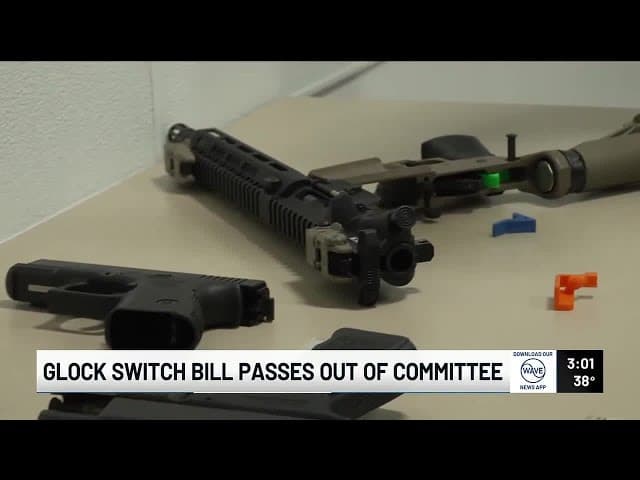
- Restrictions on **accessories and devices**, such as **switch devices**—which can convert semi-automatic firearms into fully automatic weapons—are gaining attention. For example, a recent **legislative proposal** seeks to **ban gun switch devices**, with a **video titled "Law banning gun switch devices advances in legislature"** highlighting this development.
- The **complexity of permits and reciprocity** requires gun owners to **understand various state laws**. A recent **YouTube episode titled "What Every Gun Owner Should Understand About Reciprocity and Permits"** emphasizes the importance of **knowing your rights and obligations** when traveling or carrying across state lines.
### Industry Implications
The firearms industry faces **uncertainties** in manufacturing, distribution, and retail sectors. New laws and bans can **impact product availability**, and compliance costs are rising, prompting manufacturers and retailers to **adapt rapidly**.
## Current Status and Future Outlook
As of late 2026, the **firearm regulation environment remains highly fluid**:
- **Legal battles** over restrictions in **sensitive places** continue, with the Supreme Court and appellate courts shaping future limits.
- The **federal government’s increased enforcement efforts**, through agencies like the DOJ Civil Rights Division, aim to **balance rights and safety**, though often encountering resistance from states and advocacy organizations.
- **Legislative efforts** at all levels oscillate between **resisting federal mandates** and **pushing for further restrictions**, fueling a highly polarized legal landscape.
### Broader Implications
- **Firearm owners** must **remain vigilant**, closely monitoring **litigation, agency rulemakings**, and **state laws** to ensure compliance.
- The **industry** faces **uncertainties** impacting **product development**, **sales strategies**, and **regulatory compliance**.
- **Advocacy groups** on both sides are mobilizing vigorously, further intensifying the national debate.
## Summary and Significance
**2026 stands out as a defining year** in the ongoing saga of **America’s firearm rights and regulations**. The year has seen a **dramatic expansion of carry rights**, coupled with **federal mandates on safe storage, reporting, and sales**—a combination that profoundly influences the legal, social, and practical realities of gun ownership.
**Judicial trends**, including cases like **Wolford v. Lopez** and **United States v. Mitchell**, suggest a judiciary increasingly inclined towards **upholding Second Amendment protections**, even as legislatures and agencies push for **more regulation**.
The **future trajectory** remains uncertain, but it is clear that **the debate over gun rights in America has entered a new, highly contested chapter**, with **2026 serving as a pivotal turning point**. The ongoing balancing act between **liberty, safety, and regulation** will undoubtedly shape the nation’s approach to firearm policy for years to come, defining the contours of American gun rights in the years ahead.