Greater China’s tennis renaissance in 2026 continues to gather momentum, with a dynamic pipeline of singles talent—from emerging juniors to seasoned Grand Slam contenders—expanding its global footprint. Recent breakthroughs on both the ATP and WTA Tours, coupled with strategic innovations in athlete development, governance reform efforts, and enhanced digital engagement, are further solidifying the region’s status as a rising tennis powerhouse.
---
### Zheng Qinwen: On-Court Consistency Anchored by Advocacy and Coaching Uncertainty
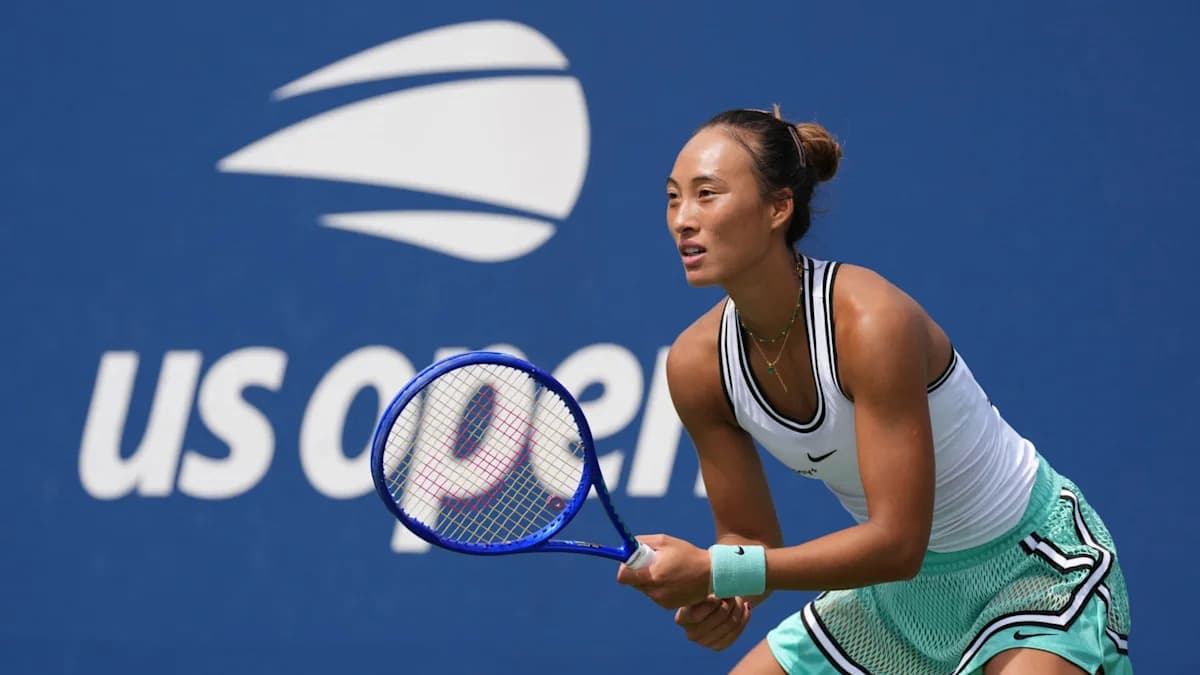
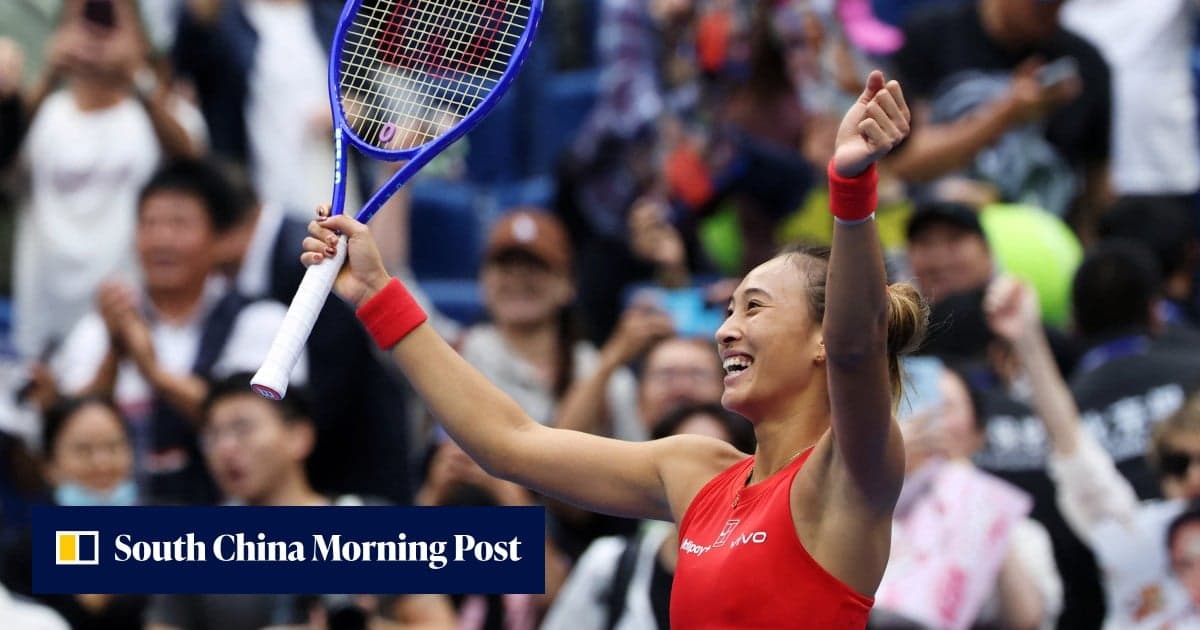
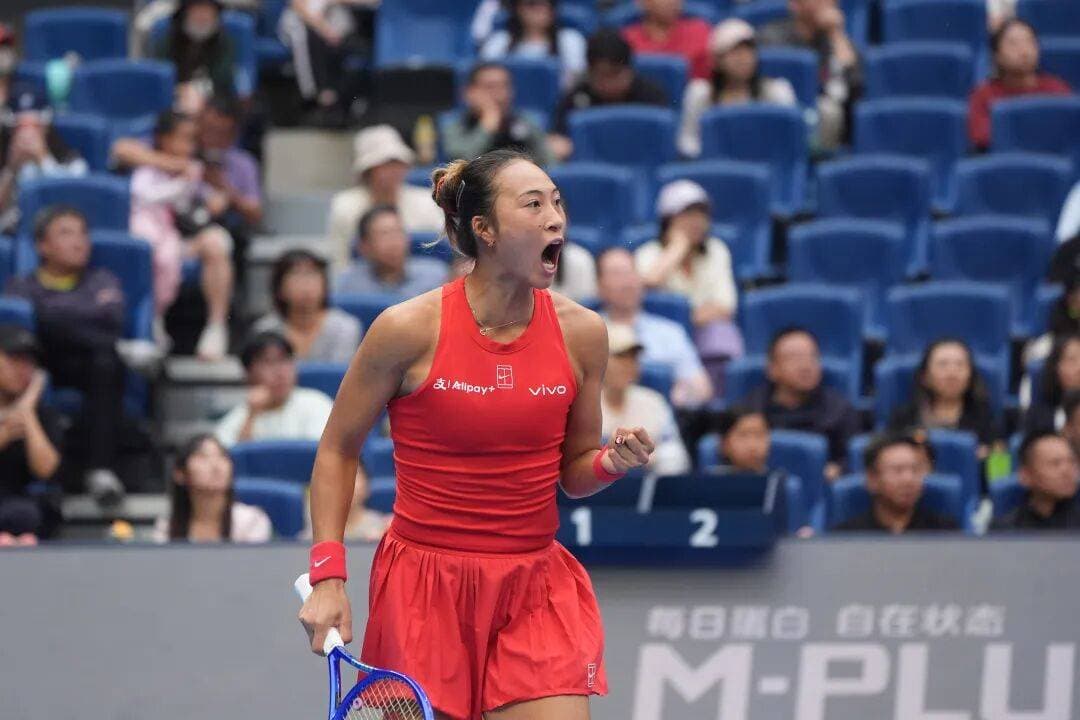
Zheng Qinwen remains the unequivocal flagship of Greater China’s tennis ambitions in 2026. Building on notable early-season triumphs—including her **7-5, 6-1 victory over former Grand Slam champion Bianca Andreescu at the Italian Open**—Zheng has continued to display tactical versatility and physical resilience. Her ability to adapt across surfaces, particularly as the tour transitions through the mid-season hardcourt swing, reinforces her position as a perennial WTA title contender.
Off the court, Zheng’s leadership transcends competition. Her ongoing vocal advocacy for **introducing best-of-five set matches in women’s Grand Slams** has ignited global discourse on gender equity and athlete welfare. As she stated,
> *“Athlete welfare and equal opportunity are intertwined; pushing for best-of-five sets is about recognizing women’s endurance and competitive spirit.”*
This position has elevated her profile beyond athletics, resonating deeply in cultural and commercial spheres. Reflecting her market appeal, Zheng’s endorsement earnings have surpassed **$21 million in 2026**, underscoring her commercial resonance both within Greater China and internationally.
However, a recent development introduces a note of uncertainty: Zheng has **unfollowed her longtime coach on social media**, fueling speculation about a potential coaching split at a critical season juncture. Though official confirmation is pending, insiders warn that a mid-season coaching transition could disrupt her tactical preparations ahead of key tournaments. Observers will be closely monitoring her upcoming performances to gauge the impact of this potential shift on her competitive consistency.
---
### Men’s Singles Surge: Wu Yibing’s ATP 500 Milestone and Growing Depth
The men’s singles pipeline from Greater China is demonstrating robust progress, highlighted by breakthrough performances and an expanding global presence:
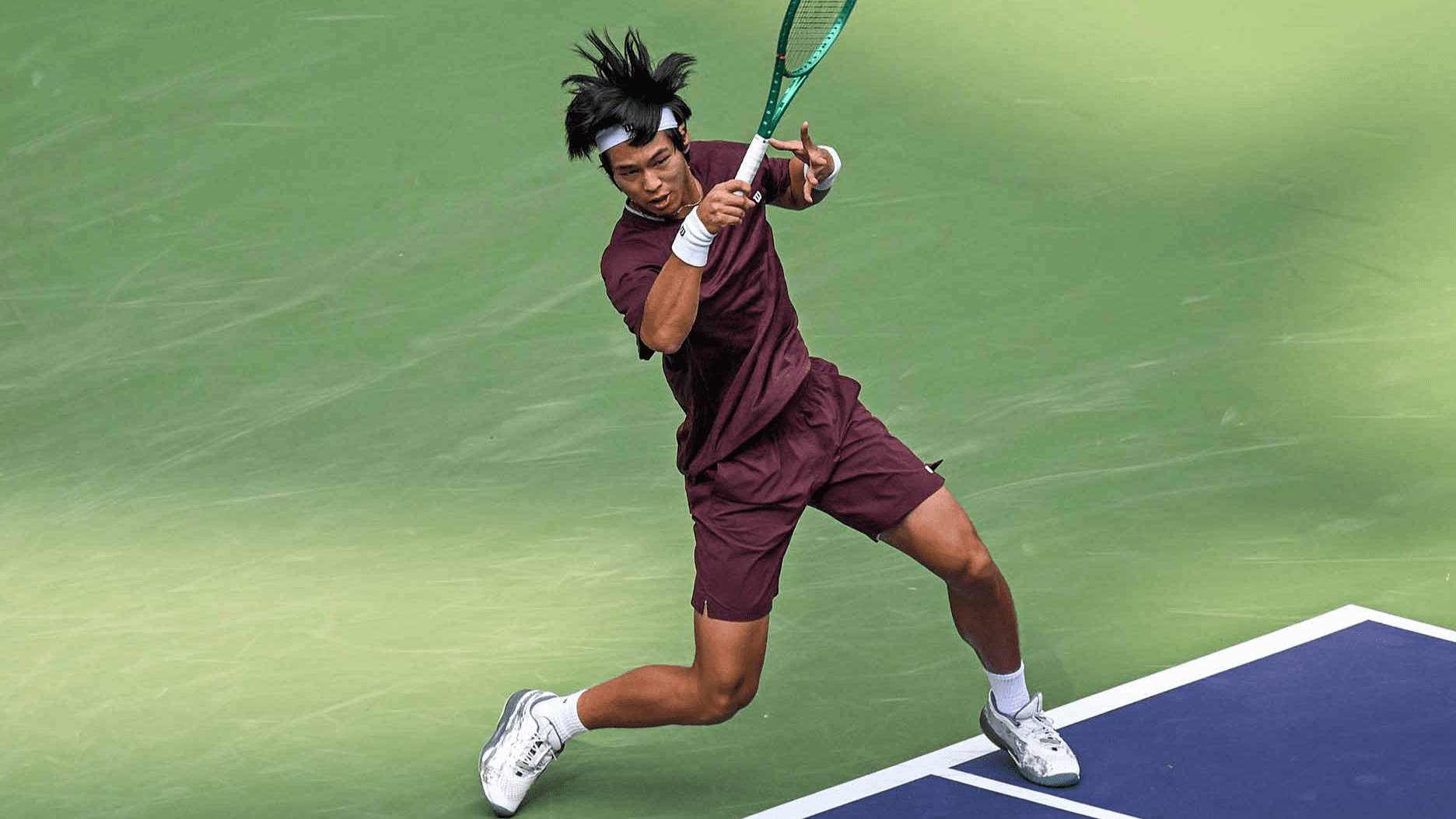
- **Wu Yibing** continues his upward trajectory with a landmark achievement—reaching his **first ATP 500 quarterfinal at the Acapulco Open**. This run was powered by a commanding **6-3, 7-6(4) victory over Sho Shimabukuro**, building upon an earlier upset of world No. 3 Casper Ruud (7-6(2), 7-6(1)) in the same tournament. Wu’s season-high ATP ranking reflects his growing consistency, clutch serving, and strategic shot-making, which have energized a rising global fanbase.
- Adding to his momentum, Wu’s **quarterfinal clash against Flavio Cobolli at the Mexico Open** showcased his tenacity and tactical maturity in a nearly three-hour marathon, further cementing his reputation as a top-tier contender.
- **Zhang Zhizhen** complements this surge with a career-best ranking fueled by solid showings at the Qatar ExxonMobil Open and Dubai. At Dubai, Zhang pushed elite opponents like Felix Auger-Aliassime to tight matches, signaling his maturation as a consistent ATP Tour presence.
- **Shang Juncheng**, despite a straight-sets loss to Daniil Medvedev in Dubai, continues to evolve tactically and mentally. His participation in progressive mental wellness programs, such as Dubai’s Smash Room initiative, reflects a modern, holistic approach to athlete development.
- Rising star **Coleman Wong** remains in the learning phase, exhibiting typical early-career fluctuations with a first-round exit at the Mexican Open following a quarterfinal appearance at Delray Beach—highlighting the steep competitive depth facing emerging players.
- On the team front, **China’s Davis Cup squad secured a decisive victory over Portugal in the World Group I Playoff**, propelled by strong contributions from Wu and Zhang. Conversely, **Hong Kong’s narrow defeat to Finland**, exacerbated by a prolonged administrative deadlock within its tennis association, underscores ongoing governance challenges threatening regional competitive momentum.
---
### Women’s Circuit and Juniors: Yuan Yue’s Austin Breakthrough and a Flourishing Talent Pipeline
The women’s circuit and junior ranks remain vibrant, marked by international collaboration and innovative fan engagement:
- **Yuan Yue** achieved a career-best WTA ranking following a compelling first-round victory over Dalma Gálfi at the 2026 WTA ATX Open in Austin. Her aggressive baseline play and relentless court coverage captivated audiences, further amplified by extensive live streaming and tactical analyses that have broadened her visibility among global sponsors and fans.
- Adding to the momentum, veteran **Shuai Zhang, ranked world No. 86 with 821 points**, stunned many with a **Round of 16 upset over Emma Navarro at the WTA Merida Open Mexico 2026**. Zhang’s experience and tactical savvy were on full display, and her post-match comments revealed a candid humor and confidence:
> *“I was thinking the same question during the match—how do I keep beating Emma? Sometimes it’s just about enjoying the game and staying a step ahead.”*
This victory not only underscores veteran competitiveness but also highlights her key mentorship role within the region’s tennis ecosystem.
- **Wang Xinyu** reached a new career high ahead of her Austin Round of 32 match against Rebeka Masarova, exemplifying a successful transition from junior standout to professional contender.
- The junior-to-pro pipeline flourishes with promising players such as:
- **Hanyu Guo**, who impressed with deep runs at the Dow Tennis Classic, blending aggressive shot-making with composure under pressure.
- Rising juniors **Wang Aoran**, **Fangran Tian**, and **Tingyi Li** continue steady progression across ITF and Challenger circuits. Tian’s innovative cross-border coaching collaboration with Indian coach Mangal Sriram exemplifies global tactical exchange fostering psychological resilience.
- **Wang Xiyu** maintains an upward trajectory, delivering competitive matches against top-tier juniors like Linda Noskova, signaling readiness for consistent elite competition.
- Tournament organizers are embracing digital innovation, leveraging platforms such as **YouTube and Weibo** to integrate live streaming, real-time analytics, and tactical breakdowns. Yuan Yue’s Austin matches, for example, generated viral content that deepened fan engagement and unlocked new sponsorship avenues targeting digitally native demographics.
- Grassroots programs like the **One-Point-Win tournament in Shanghai** continue expanding the talent base by providing inclusive development pathways across age groups and skill levels.
---
### Veteran Leadership and Doubles Specialists: Stability and Mentorship Anchoring Growth
Experienced players and doubles specialists remain foundational pillars within Greater China’s tennis ecosystem:
- **Shuai Zhang’s** recent competitive resurgence and mentorship exemplify the value of veteran leadership. Her dual role as competitor and guide supports younger talents through shared experience and tactical insights.
- Doubles stalwarts such as **Su-Wei Hsieh** (fresh off a WTA doubles title in Abu Dhabi alongside Jelena Ostapenko), **Xu Yifan**, **Yang Zhaoxuan**, and Zhang Shuai exemplify longevity and specialization. Their cross-generational knowledge transfer bolsters the ecosystem’s resilience and extends professional pathways.
- Regional doubles competitions like the **W50 Macon tournament featuring Yu-Yun Li and Zongyu Li** serve as critical platforms nurturing depth and sustainability in doubles play.
---
### System-Level Priorities: Governance Reform, Technology Adoption, and Strategic Development
Greater China’s tennis trajectory in 2026 is increasingly shaped by integrated approaches to governance, technology, and athlete welfare:
- Emerging talents such as **Xinran Sun**, **Yushan Shao**, and **Shilin Xu** are leveraging **biomechanical analysis and data-driven coaching** to refine technique, optimize training loads, and mitigate injury risk. These advances facilitate smoother transitions from juniors to professional ranks.
- International coaching collaborations, epitomized by Fangran Tian’s partnership with Indian coach Mangal Sriram, introduce tactical innovation and psychological resilience, cultivating globally competitive mindsets.
- Digital storytelling, amplified through viral rivalries and enhanced live coverage—as demonstrated by Yuan Yue’s Austin matches and Wu Yibing’s Mexico Open quarterfinal—has deepened fan engagement and unlocked sponsorship opportunities targeting digitally native audiences.
- Governance challenges persist, notably the **Hong Kong Tennis Association’s prolonged leadership deadlock**, which continues to disrupt tournament continuity and athlete support. Resolving this impasse remains critical for preserving regional competitive cohesion.
- Strategic scheduling, such as Zheng Qinwen’s selective tournament participation, reflects a mature balance between competitive ambition and athlete wellness, aiming to mitigate burnout and optimize peak performance at majors.
---
### Looking Ahead: Consolidating Gains Through Holistic Support and Innovation
As 2026 progresses, Greater China’s tennis ecosystem is focusing on:
- **Comprehensive athlete support** integrating physical rehabilitation, mental health resources, and data-informed training to extend career longevity and consistency.
- **Intelligent scheduling** designed to prevent burnout and ensure athletes peak during crucial tournaments.
- **Sustained investment in coaching and technology**, leveraging biomechanical analytics and international expertise to accelerate tactical and mental maturation.
- **Expanded digital engagement** through immersive live streams, viral content, and real-time data platforms aimed at growing fan bases and sponsorship revenues.
- **Governance stabilization**, with urgent emphasis on resolving Hong Kong’s administrative deadlock to safeguard regional competitive infrastructure.
- **Veteran-rookie mentorship synergy**, fostering cross-disciplinary collaboration in singles and doubles to deepen ecosystem resilience and diversify development pathways.
---
### Conclusion
The 2026 season stands as a pivotal chapter in Greater China’s tennis renaissance, marked by breakthrough milestones and evolving narratives. Wu Yibing’s ATP 500 quarterfinal run and compelling Mexico Open match against Flavio Cobolli, Yuan Yue’s breakthrough in Austin, and Shuai Zhang’s veteran upset over Emma Navarro underscore the region’s expanding competitive depth. Zheng Qinwen’s blend of on-court excellence, cultural advocacy, and emerging coaching dynamics epitomizes the complex balance of athletic ambition and career stewardship at the highest level.
Anchored by veteran leadership and energized by a robust junior pipeline supported by technological innovation and international collaboration, Greater China is poised not merely to sustain its tennis achievements but to emerge as a dominant global force. Navigating challenges such as governance stalemates and coaching transitions will be critical, but with strategic investments in athlete welfare, governance reform, and fan engagement, the region’s tennis ambitions are set for an exhilarating and transformative future.