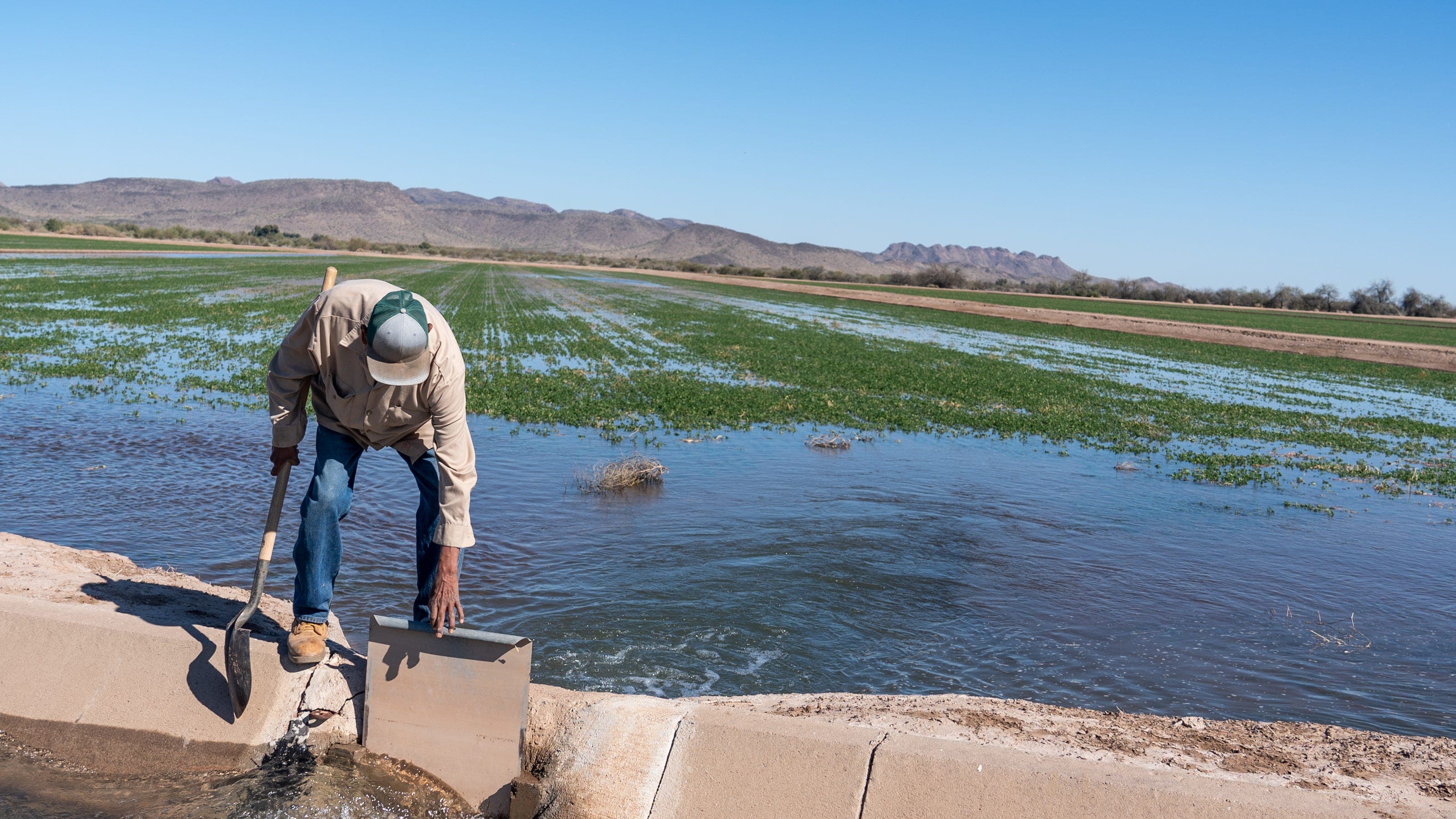
# How Water, Amendments, and Microbes Are Transforming Arid, Sandy Soils: The Latest Innovations and Strategies
As climate change accelerates, bringing hotter temperatures, prolonged droughts, and erratic weather patterns, the challenge of rehabilitating arid and sandy soils has become more urgent—and more achievable—than ever before. Once deemed nearly impossible to restore, these fragile landscapes are experiencing a revolutionary transformation driven by an integrated approach that combines physical amendments, biological systems, cutting-edge water management technologies, and landscape-scale interventions. These innovations are turning barren sands into resilient, productive ecosystems capable of supporting agriculture, urban greening, and biodiversity—even in some of the Earth’s harshest environments.
## The Persistent Challenges of Arid, Sandy Soils
Sandy soils are inherently characterized by **large, coarse particles** that confer **high permeability**, meaning water infiltrates rapidly and drains away before plants can absorb it effectively. This creates several persistent issues:
- **Drought stress:** Water moves quickly through the soil profile, leaving plants dehydrated.
- **Erosion and runoff:** Loose particles are highly susceptible to wind and water erosion, which degrades soil quality and structure.
- **Limited microbial activity:** Sparse biological life hampers nutrient cycling, reduces soil cohesion, and diminishes resilience against environmental stresses.
These features make sandy soils especially fragile in semi-arid and arid regions, demanding **innovative, integrated strategies** that modify physical properties while fostering biological vitality for sustainable outcomes.
## Advancements in Physical Amendments for Soil Transformation
### Organic and Inorganic Amendments
Recent advancements have significantly enhanced the effectiveness of soil amendments in transforming sandy landscapes:
- **Compost:** Rich in organic matter, compost improves **soil structure**, **porosity**, and supplies **nutrients**. Its microbial content promotes **soil biodiversity**, which is essential for resilience.
- **Biochar:** Produced from agricultural biomass—such as pineapple waste—biochar is **highly porous** and acts as a **natural sponge**. Integrating biochar has led to **notable improvements in moisture retention, soil stabilization, erosion control, and microbial habitat creation**. For example, in semi-arid regions like San Antonio, combining compost and biochar has resulted in **healthier plants and more resilient soils**.
- **Sludge and other organic amendments:** These increase organic matter, supporting **long-term fertility** and **soil cohesion**.
### Engineered Materials: Nanocellulose and Advanced Amendments
Innovators are now employing **engineered amendments** such as **nanocellulose**, derived from agricultural waste:
- **Nanocellulose** offers **high surface area** and **hydrophilicity**, reinforcing the soil matrix.
- When incorporated into sandy soils, nanocellulose **dramatically boosts water-holding capacity** **without impeding natural drainage**.
- Such **precision materials** enable **tailored hydraulic modifications**, ensuring water retention aligns with specific environmental and crop needs.
## Biological Stabilization: Harnessing Nature’s Resilience
### Plant–Microbe Interactions and Native Drought-Resilient Species
A growing body of research emphasizes how **plant–microbe partnerships** naturally foster **soil stability** in desert ecosystems:
- Microbial communities influence **nutrient cycling** and **soil aggregation**, creating **larger pore spaces** that **improve water infiltration and retention**—a critical factor in establishing resilient landscapes.
- The development of **self-reinforcing biological systems**, featuring drought-adapted plants, further stabilizes soils. Native species such as **agave**, **emu bush**, and **coral aloe** are increasingly favored for their **minimal water requirements**, support for microbial communities, and ability to **stabilize soil through extensive root systems**.
- Notably, **coral aloe** has garnered attention for its **extraordinary drought resistance** and aesthetic appeal, making it ideal for resilient landscaping in arid zones.
### Microbial Contributions and Organic Matter Dynamics
Microbial activity remains central to **nutrient transformation** and **soil stabilization**. Microbes support **organic matter accumulation**, which enhances **water retention** and **soil structure**. The emergence of **self-sustaining biological systems** provides long-term resilience, enabling ecosystems to endure environmental stresses.
## Cutting-Edge Water Management Technologies
### Precision Irrigation and Sensor Networks
Innovations in water delivery are transforming agriculture and urban greening:
- **Advanced drip irrigation systems**, including **subsurface drip irrigation (SDI)**, now **inject water directly below the soil surface**, minimizing evaporation and runoff. Recent improvements allow hoses to be **installed beneath the soil**, providing **targeted water delivery** during severe droughts.
- **Sensor networks**, featuring wireless soil moisture and temperature sensors, deliver **real-time data** to optimize watering schedules. For instance, platforms developed at **Purdue University** monitor **soil moisture** and facilitate **dynamic irrigation management**, significantly reducing water waste and supporting plant health.
### Groundwater Visualization and Resource Planning
A recent breakthrough involves **visualization tools** that synthesize surface and **subsurface data**:
> *"Across regions like the Mountain West, groundwater—an unseen but vital resource—can now be visualized in accessible formats, guiding sustainable extraction and recharge efforts."*
These tools convert complex underground flow data into **clear, actionable insights**, helping policymakers and farmers balance **groundwater extraction** with **natural recharge**, especially as water scarcity worsens.
## Landscape-Scale Water-Harvesting and Microclimate Modification
**Water-harvesting techniques** are increasingly vital:
- **Swales**, **check dams**, and **terraces** are employed to **capture runoff**, **recharge soils**, and **stabilize microclimates**:
- **Swales** and **check dams** slow runoff, allowing water to **penetrate deeply**, replenishing groundwater and improving soil moisture.
- **Terrace farming**, an ancient technique revitalized in regions like Oman’s **Jebel Akhdar**, stabilizes slopes and promotes water retention on steep terrain, preventing erosion and supporting agriculture.
- **Microclimate modifications** like **shade structures**, **mulching**, and **evaporative cooling** help **reduce soil and ambient temperatures**, extend flowering periods, and support drought-adapted plants.
Recent articles emphasize preparing for summer in inland Mediterranean climates by deploying these techniques to **survive extreme heat** and **maximize water retention**.
## Adaptive Water Management During Anomalous Rain Events
A notable recent development involves **adaptive irrigation practices** in response to unexpected weather:
> **"Las Vegas residents and landscapers are being advised to halt irrigation during unexpected rain events,"** emphasizes the Southern Nevada Water Authority. **"Turning off irrigation systems during such conditions prevents unnecessary water waste and reduces runoff."**
This approach recognizes that **over-irrigation during rain** can lead to **wasted water**, **soil erosion**, and **nutrient leaching**. Implementing **real-time weather monitoring** and **automatic shut-off systems** ensures that water management dynamically responds to environmental cues, conserving resources and protecting fragile soils.
## Practical Examples and Recent Innovations
### Urban Soil Rehabilitation: San Antonio
Practitioners combine **compost**, **biochar**, and **microbial inoculants** to **restore urban soils**, resulting in:
- **Enhanced water retention**
- Support for **native and ornamental plants**
- **Long-term stability** amidst urban stresses
### Precision Agriculture in Yuma
Farmers leverage **advanced drip irrigation** paired with **sensor networks**:
> *"Real-time data allows farmers to precisely tailor irrigation schedules, reducing water waste during droughts and maintaining crop health."*
### Dubai’s Desert Kiwi Farm: A $100 Million High-Tech Venture
Dubai exemplifies how **state-of-the-art infrastructure** and **soil amendments** enable high-value crops in extreme desert heat:
> **"Employing climate control, precision irrigation, and soil amendments, Dubai is cultivating fruits in some of the hottest deserts on Earth."**
### Terrace Farming in Jebel Akhdar
In Oman’s **Jebel Akhdar**, **stone terraces** are being preserved and modernized to **manage water runoff**, **prevent erosion**, and **support agriculture** on steep slopes. These efforts demonstrate how **traditional techniques** combined with **modern science** can sustain fragile environments.
### Negev Desert Experiments
Innovative projects like those in Israel’s **Negev Desert** showcase how **soil amendments** and **microbial inoculants** enable crop cultivation in extreme conditions, with recent experiments demonstrating **successful potato growth** in areas previously deemed inhospitable.
### Growing Bottle Gourd in the Desert: A Complete Guide
A recent comprehensive guide highlights how **optimized soil amendments**, **microbial inoculants**, and **efficient water management** can support **successful cultivation** of crops like **bottle gourd** in arid environments, providing practical steps for farmers and gardeners aiming to expand their crop diversity under water-limited conditions.
### Surprising Crop Success: Carrots Amid Harsh Sun and Wind
A captivating new video titled **"Amazed by the Carrots Growing Amid Harsh Sun and Wind"** showcases how **deep watering techniques**, **mulching**, and **soil amendments** like biochar support **robust carrot growth** even in extreme desert conditions. This demonstrates that, with proper management, **vegetables traditionally thought unsuitable** for arid climates can thrive, offering hope for diversified, sustainable food production.
## Practical Tips for Urban and Rural Landscapes
As these innovations become more accessible, practical steps include:
- Applying **mulch** to conserve soil moisture and insulate roots
- Selecting **drought-tolerant plants** such as succulents, agave, and native species
- Implementing **microclimate modifications** like shading and evaporative cooling
- Using **soil amendments** like compost, biochar, and nanocellulose to **boost water retention**
- Installing **precision drip irrigation systems** with **soil moisture sensors** for efficient watering
- Employing landscape techniques such as **water-harvesting swales**, **check dams**, and **terraces** to maximize runoff capture and soil recharge
## Recent Resources and Educational Content
Educational initiatives and case studies continue to emphasize **deep watering techniques** and **traditional terracing**:
- The **"Water Deeply, Not Often"** video underscores that **deep, infrequent watering** fosters **resilient root systems**.
- The **"Farming Stone Slopes in Jebel Akhdar"** video demonstrates how **ancient terraced farming** sustains agriculture on rocky slopes, blending **traditional knowledge** with **modern science**.
- A new resource titled **"11 Drought-Tolerant Vegetables That Grow With Less Water"** offers valuable guidance for gardeners and farmers seeking to diversify crops while conserving water:
> *"Water conservation is increasingly critical, and choosing vegetables like carrots, bottle gourd, and various herbs can make a significant difference in arid regions."*
## Current Status and Future Outlook
The convergence of **physical amendments**, **biological systems**, and **advanced water management technologies** is fundamentally transforming our capacity to **restore** and **manage** sandy, arid soils. These strategies are enabling:
- **Enhanced water retention and infiltration**, supporting agriculture and urban greening during severe droughts.
- **Soil stabilization** through plant–microbe partnerships and organic matter additions.
- **Data-driven resource management** via sensor networks and groundwater visualization tools.
- **Adaptive water use practices**, especially during anomalous weather events, to conserve resources and protect fragile soils.
From **luxury desert farms in Dubai** to **urban gardens in Utah**, these strategies demonstrate **scalability** and **adaptability** across diverse environments. As climate uncertainties grow, adopting **holistic, innovative practices** will be vital to ensuring **ecological resilience**, **biodiversity conservation**, and **sustainable development** in some of the planet’s most vulnerable regions.
---
**In summary**, the integration of **physical amendments**, **biological stabilization**, and **technological innovations** is revolutionizing how we **transform** arid, sandy landscapes. These efforts are restoring ecological balance, enabling sustainable agriculture, and empowering communities to thrive amid climate challenges. As ongoing research and field applications evolve, the future holds promising potential for turning some of the world's most inhospitable terrains into resilient, productive ecosystems—supporting biodiversity, food security, and livelihoods for generations to come.