# How Voters, Data, and Parties Are Reshaping U.S. Elections: The Road to 2026 and Beyond — Updated Analysis
As the United States approaches the pivotal 2026 midterm elections, the nation stands at a crossroads where legal battles, technological innovations, political strategies, and social movements converge to redefine the very fabric of American democracy. The landscape is more dynamic and contentious than ever, with developments that could either bolster democratic resilience or threaten its foundational principles. From expansive judicial powers to the influence of private wealth and foreign actors, the evolving electoral environment demands close scrutiny.
## Major Legal and Judicial Shifts: Expanding Disqualification Powers and High-Profile Eligibility Battles
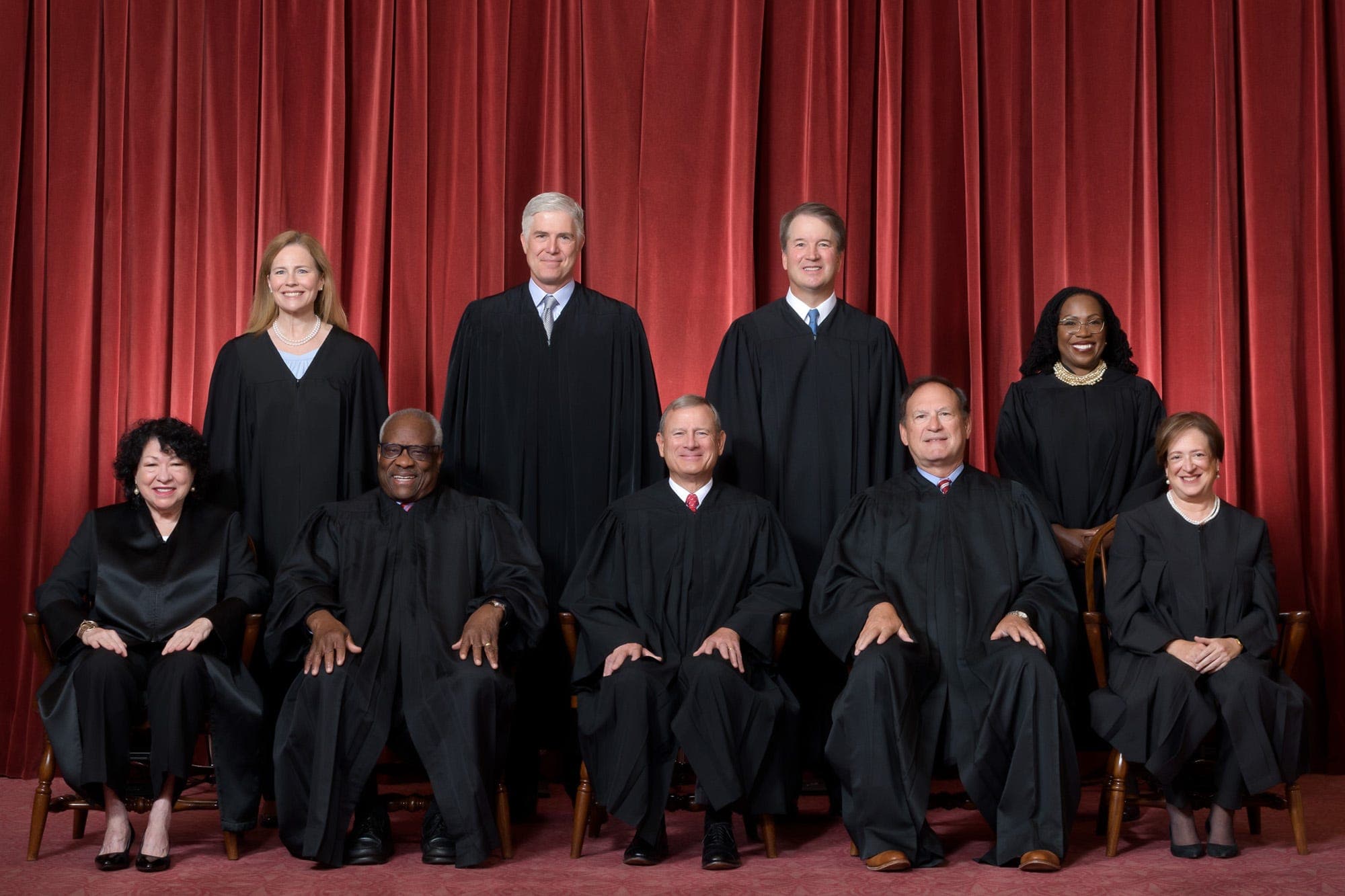
A **landmark Supreme Court decision on January 27, 2026**, has significantly **expanded the judiciary’s authority to disqualify candidates involved in insurrection or rebellion**, specifically under **Section 3 of the 14th Amendment**. This ruling affirms that **courts now possess greater latitude to bar individuals**, notably those accused or convicted of inciting the January 6 Capitol riot, from running for federal or state office. Many states are **reevaluating and amending candidate eligibility laws** to explicitly incorporate these disqualification criteria, igniting legal debates over **who qualifies** and **the scope of judicial authority**.
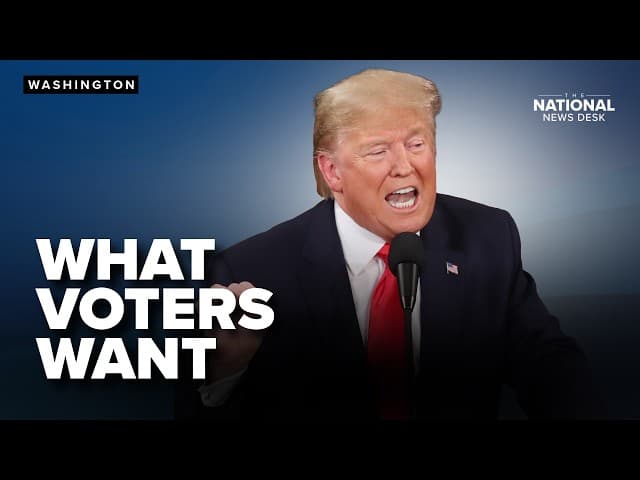
The **ongoing legal saga surrounding former President Donald Trump** epitomizes these shifts. Multiple **lawsuits and legal challenges** aim to **prevent him from appearing on the ballot**, arguing that his role in inciting the riot disqualifies him under constitutional provisions. These efforts are **escalating rapidly**, with some advocates claiming that **excluding Trump** could significantly alter the 2026 race, while opponents warn it risks **undermining democratic choice** and **constitutional norms**. Critics contend that **such disqualifications** could **set dangerous precedents**, blurring lines between **judicial authority and political accountability**.
Media outlets like **"U.S. on the Brink: Trump Could Be Barred From the Election as Constitution Collapses"** reflect fears that **partisan judicial battles** may **undermine democratic stability**. Conversely, supporters argue these measures are **necessary safeguards** to **prevent insurrectionist figures from holding office** and **protect the rule of law**.
## Federal and State Voting Policy Reforms: Tightening Access and Addressing Flaws
At the federal level, **Republican-led efforts** have advanced the **"SAVE America Act"**, proposing **mandatory proof of U.S. citizenship and photo ID requirements** at polling stations. Proponents claim these are **crucial to preventing voter fraud**, but critics warn they risk **disenfranchising minorities, students, and marginalized communities**—particularly amid concerns over **accessibility and equity**.
President Trump has **renewed calls for federalizing elections**, asserting **"We should take over elections from the states,"** igniting debate over **state sovereignty versus federal oversight**. The **Department of Homeland Security (DHS)**, under Secretary Kristi Noem, champions initiatives like the **"SAVE Act"** to **modernize and secure election processes**, emphasizing **technology upgrades** and **voter verification**.
However, recent investigations into **citizenship verification systems** reveal **serious flaws**. The **"Systematic Verification Program"**, meant to **check voter eligibility**, has **made significant errors**, leading to **misidentifications and wrongful disqualifications**. An investigative report titled **"‘Not Ready for Prime Time’: A Federal Tool to Check Voter Citizenship Keeps Making Serious Mistakes"** highlights how these inaccuracies **undermine public trust** and **data integrity**, raising alarms about **potential disenfranchisement** and **security vulnerabilities**.
### State-Level Reforms and Controversies
States remain **laboratories of electoral reform**, often sparking **litigation and social debates**:
- **Ohio** faces **lawsuits** over **new voter registration laws**, which critics argue **disenfranchise voters** by imposing **strict registration and verification procedures**.
- **Virginia** prepares for a **November 3, 2026, referendum** to **repeal its ban on same-sex marriage**, reflecting broader **social debates influencing voter engagement**. Additionally, **federal courts** have **restored voting rights to thousands of felons**, substantially increasing **participation among marginalized groups**.
- **Alaska** remains a **key battleground**:
- A **petition campaign** seeks to **allow noncitizens to vote in local elections**, challenging **federal eligibility rules**.
- Efforts are underway to **repeal Alaska’s ranked-choice voting (RCV)** system introduced in **2024**, with critics arguing that **RCV’s complexity hampers understanding** and **administrative efficiency**, though supporters believe it **ensures fairer representation**.
- **Vermont** is **integrating voting rights protections** into its state law, inspired by federal standards like the **Voting Rights Act**, aiming to **counteract discrimination** and **prevent voter suppression**.
### Recent Developments in Voting Rights and Privacy
- **Kentucky**’s Senate committee recently **approved legislation** to **restore voting rights** for certain individuals with past convictions, signaling a **trend toward more inclusive policies**.
- **Kansas** has introduced bills to **limit mail-in voting** for some elections, a move critics argue could **disenfranchise voters** and **reduce accessibility**.
The debate over **voter data privacy** has intensified:
- The **Nebraska Secretary of State** announced plans to **transfer full voter registration data**, including **personally identifiable information**, to the **Department of Justice (DOJ)**. This came after the **Supreme Court’s refusal** to block the transfer, raising **privacy concerns** and **debates** over **state-federal data sharing**.
- **Secretary of State John Gale Evnen** continues **releasing voter data**, amid **ongoing election security investigations**, fueling controversy over **privacy rights** versus **security needs**.
## Enforcement, Investigations, and Public Trust: Navigating the Security Landscape
Recent **FBI raids**, **special counsel investigations**, and **enforcement actions** have heightened tensions over **election security**:
- The **FBI’s raid** at the **Fulton County elections office in Georgia**—viralized as **"FBI loads boxes from Fulton County elections office into trucks"**—has ignited **partisan debates**. The FBI investigates potential **foreign and domestic interference**, including **hacking** and **disinformation campaigns** aimed at **undermining trust**.
- The **special counsel investigations**, led by **Jack Smith**, are **progressing rapidly** into **former President Trump’s efforts** to **manipulate vote counts** and **obtain voter data**. Recent disclosures reveal **Trump’s attempts** to **access voter information**, fueling concerns over **external interference**.
- These investigations **underscore the importance of transparency** and **robust oversight** to **safeguard democratic legitimacy**.
## Technology, AI, Disinformation, and Cybersecurity: New Frontiers in Electoral Integrity
The **technological frontier** continues to **reshape election security**:
- **AI regulation efforts**, such as **H.R. 5764: AI for Main Street Act**, aim to **manage AI applications**, including **deepfake detection**, **disinformation mitigation**, and **privacy safeguards**.
- Campaigns increasingly leverage **big data** for **microtargeting**, raising **privacy and ethical concerns**. While **personalized messaging** can **mobilize voters**, it **also risks data misuse** and **manipulation**.
- The threat of **deepfakes** and **disinformation campaigns** remains **urgent**, as malicious actors exploit **these technologies** to **confuse voters** and **undermine trust**.
- Significant **investments** are being made to **harden election infrastructure** against **foreign interference** and **cyberattacks**, including **federal and state cybersecurity initiatives**.
## The Rising Influence of Private Money and Foreign Actors
A defining feature of the current landscape is the **growing influence of private wealth** and **foreign entities**:
- **California** continues to see **massive campaign contributions** from **tech billionaires** such as **Elon Musk and Mark Zuckerberg**, seeking to **shape election outcomes**.
- Recent reports reveal **tens of millions of dollars** flowing into campaigns by **wealthy donors and corporations**, especially around issues like **technology regulation** and **public infrastructure**. This **raises fundamental questions** about **democratic fairness** and **access to influence**.
- **Foreign influence efforts** are escalating. Recent videos titled **"Foreign agents pump large amounts of cash into campaigns ahead of 2026 elections"** highlight **foreign actors funding political campaigns** to **shape public opinion** and **candidate viability**. These activities **underscore the need** for **expanded oversight**, **international cooperation**, and **countermeasures**.
## The Candidate Landscape and Campaign Dynamics
The **2026 race** remains **highly competitive**:
- **Fifteen House members** are **running for Senate**, including **Rep. Julia Letlow (R-La.)**, in key districts that could **shift control of Congress**.
- Many **incumbents are retiring**, leading to **open primaries** and **contested races**—notably in **North Carolina**, which hosts **21 competitive races**.
- **Donald Trump’s campaign** continues to **energize supporters**, emphasizing **economic issues** like **energy costs** and **the economy**, aiming to **secure the Republican nomination**.
- Democratic efforts, including **Texas’ $30 million coordinated campaign**, aim to **flip pivotal races**, leveraging **alliances among the party, major organizations, and donors**.
### Voter Engagement and Sentiment
Recent polling indicates **Democrats are narrowing gaps** in critical districts, even amid **party dissatisfaction**. Voters are **closely scrutinizing candidates’ positions** on **data privacy**, **economic stability**, and **trust in election processes**. The environment remains **highly competitive**, with **turnout** and **candidate quality** likely to be decisive.
## Emerging Issues: Youth Engagement and Local Policy Debates
Efforts to **expand youth voting** are gaining momentum:
- A **new law in New Jersey** now **allows 17-year-olds** to **vote in primaries**, fostering **early civic participation**.
- States like **Kansas** challenge federal restrictions by **resisting mandates**, asserting **state sovereignty** amid shifting federal policies.
Additionally, **data centers**—crucial for **economic development** and **cybersecurity**—have become **political battlegrounds**. As **public awareness** of their **community impacts** increases, **candidate positions** on **data infrastructure** and **cybersecurity** are increasingly influencing **local and national campaigns**.
## Redistricting and the Future of Minority Voting Power
Legal disputes over **redistricting** persist, with **Supreme Court filings** advocating for **fair boundaries** to combat **partisan gerrymandering**. These disputes directly influence **electoral competitiveness** and **representation**.
A **noteworthy development** involves **Mississippi**, where **recent legal analyses** warn that **potential erosion of Supreme Court protections** could **undermine voting rights** for Black voters. **Mississippi’s Black population**, already facing **disproportionate hurdles**, could see **reduced influence** if **redistricting** or **judicial rulings** weaken **civil rights protections**. Experts warn that **diminished federal oversight** may **accelerate voter suppression** and **diminish minority political power**.
## Civic Trust, Oversight, and the Path Forward
Despite mounting challenges, **public trust remains fragile**. Grassroots organizations like **"NH Defenders"** are **educating voters** and **fighting misinformation**, essential for **restoring confidence** in elections. Viral narratives such as **"How Democracies Collapse from Within"** amplify **partisan divides** and **heighten awareness** of **authoritarian threats**.
Legal protections—such as **constitutional safeguards** preventing presidents from **unilaterally canceling elections** or **banning ranked-choice voting**—serve as **valuable bulwarks** against democratic erosion. The **release of voter data** by **Nebraska’s Secretary of State**, amid ongoing investigations, emphasizes **the importance of transparency** and **accountability** in **preserving election legitimacy**.
---
## Current Status and Implications
Looking ahead, the **2026 elections** are shaping up as a **test of American democracy’s resilience** amid unprecedented challenges. The **convergence of legal disputes over candidate eligibility**, **state-level reforms**, **technological vulnerabilities**, **campaign finance influences**, and **foreign interference** creates a complex, high-stakes environment.
**Key implications include:**
- The **outcome of legal battles** over **Trump’s eligibility** and **disqualification powers** may **determine whether controversial figures** are on the ballot, profoundly impacting **voter choice**.
- **State referendums** and **redistricting battles** will influence **party control** and **representation**, especially in historically contested areas like **Alaska** and **Florida**.
- **Election security investments** and **disinformation countermeasures** are crucial to **maintain public trust** amidst sophisticated **cyber threats** and **foreign influence campaigns**.
- The **role of private donors and foreign actors** underscores **the need for stricter oversight** and **international cooperation** to **protect democratic processes**.
### In sum, the trajectory toward 2026 reveals a nation grappling with **democratic resilience, influence of data and money**, and the **power of legal and technological frameworks**. The decisions made in the coming months will **shape the future of American democracy**, determining whether it can **adapt and endure** or face further **erosion of trust and legitimacy**.
---
## Recent Polling and Public Sentiment
A **new survey** shows **divided public opinion** about **Trump’s potential candidacy** and **electoral integrity**. While many supporters remain **enthusiastic**, concerns over **legal controversies** and **trust in election fairness** persist across the political spectrum. This **polarization underscores** the importance of **transparent processes**, **robust legal standards**, and **public engagement** to **restore confidence** in the electoral system.
---
As the nation navigates these transformative developments, **2026 stands as a defining moment** for **democratic health and stability**. The **choices made now**—regarding **candidate vetting**, **voting access**, **security measures**, and **countering foreign influence**—will **determine the strength and integrity** of American democracy for decades to come.