# Escalating Middle East Tensions: Iran, Hezbollah, and Hamas in the Crosshairs of Regional and Global Instability
The Middle East teeters on a perilous brink as Iran’s relentless military expansion, its proxy networks—Hezbollah in Lebanon and Hamas in Gaza—and recent kinetic operations threaten to ignite a broader regional conflict. New developments in recent weeks underscore an alarming escalation, with international actors increasingly drawn into a complex and volatile theater that could have profound global repercussions.
---
## Iran’s Intensified Military Posture and Proxy Reinforcement
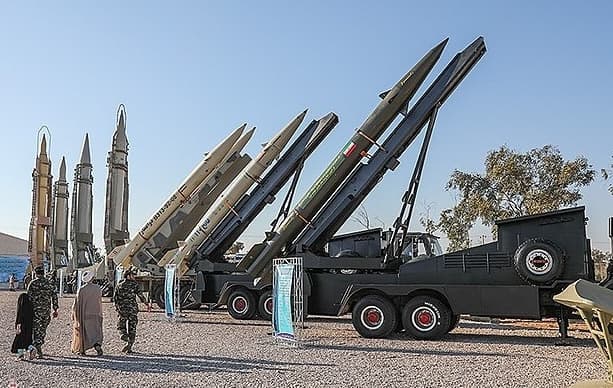
Iran continues to accelerate its military buildup despite ongoing sanctions and economic hardships. Current intelligence indicates Iran’s **active military personnel** exceeds **500,000**, complemented by a large reserve force capable of rapid mobilization. Its missile arsenal has surged past **1,500 ballistic missiles**, including precision-guided systems capable of striking regional targets such as Israel and Gulf States.
**Recent key developments include:**
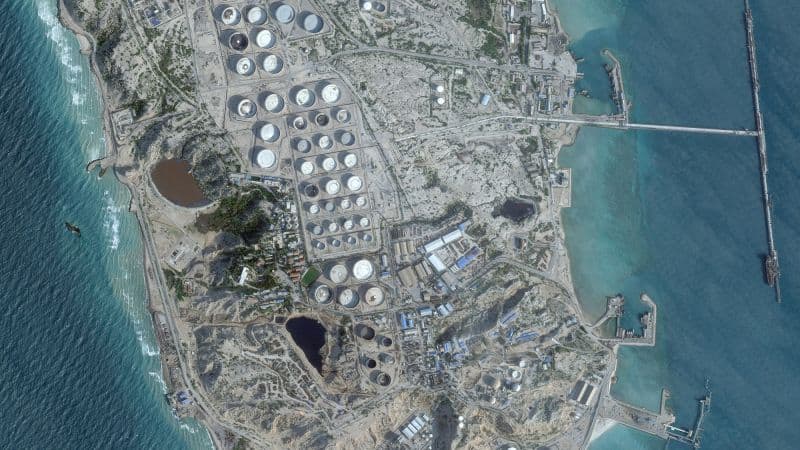
- The destruction of **more than 90 Iranian military targets** on Kharg Island, a critical logistical hub in the Persian Gulf, as reported by U.S. CENTCOM briefings. This signifies deliberate efforts to weaken Iran’s military logistics and operational capacity.
- Iran’s frequent military drills and missile tests, signaling heightened readiness amid rising tensions.
- An annual allocation of **approximately $6 billion** to support militias and insurgent groups such as Hezbollah, Iraqi militias, and Syrian factions—an effort to reinforce Iran’s regional influence.
### Broader Strategic Risks
Iran’s expanding missile stockpile and military presence threaten vital energy routes, notably the **Strait of Hormuz**—a crucial chokepoint through which about 20% of global oil supplies pass. Any disruption here could trigger a **crude oil price spike to $150 per barrel**, with devastating effects on global markets, inflation, and energy security.
Adding to the urgency, recent **Israeli operations targeting Iranian military and satellite facilities**—including high-profile strikes on missile and drone sites—highlight a shadow war aimed at degrading Iran’s missile and satellite capabilities. A notable incident involved bombing Iran’s military satellite laboratories, further escalating the conflict’s scope.
---
## Hezbollah: Fortified Arsenal and Strategic Posture
Hezbollah, estimated to have **around 20,000 fighters**, remains Iran’s most formidable non-state proxy. Its extensive underground tunnel network, fortified positions, and missile stockpile exceeding **150,000 units** make it a significant threat to Israel and regional stability.
**Recent upgrades include:**
- Enhanced missile accuracy and longer-range capabilities, enabling strikes deep into Israeli territory.
- Continued modernization efforts such as tunnel infrastructure expansion and missile technology upgrades, which bolster Hezbollah’s readiness for potential conflict.
Hezbollah’s strategic importance extends beyond Lebanon, maintaining operational ties with Iran and potential support roles in Iraq, further destabilizing the regional security landscape. Its involvement in the Syrian Civil War has strengthened Iran’s military footprint, facilitating coordinated proxy actions against Israel.
---
## Hamas: Evolving Capabilities and Asymmetric Warfare
Hamas’s military wing, the **Izz ad-Din al-Qassam Brigades**, is estimated to comprise **around 20,000 fighters**. Its arsenal has grown in sophistication and size, including:
- Over **10,000 rockets and projectiles**, ranging from short-range mortars to long-range rockets capable of reaching deep into Israeli territory.
- Extensive tunnel networks, drone units, and increasingly advanced missile technology, much of which is supported by Iran.
**Recent trends highlight:**
- An escalation in rocket launches, drone reconnaissance, and surprise tunnel-based attacks.
- Persistent smuggling and blockade maintenance, allowing Hamas to bolster and sustain its arsenal.
- The adoption of drone technology, enhancing reconnaissance and targeted strike capabilities, making Hamas a more unpredictable and persistent threat.
The technological evolution of Hamas’s arsenal underscores its capacity for asymmetric warfare, capable of escalating conflict with Israel at short notice.
---
## Recent Kinetic and Strategic Developments
In the latest phase of escalation, Israeli forces have conducted targeted strikes against Iranian missile sites and military infrastructure, with visuals showing significant damage in Tehran and strategic locations. The destruction of Iranian military targets on Kharg Island signals proactive efforts to weaken Iran’s logistical and military capacity.
Adding to the geopolitical tension, a recent YouTube analysis titled **“Experts Warn the Iran War Could Get Much Worse”** emphasizes that the current trajectory could spiral into a multi-front conflict involving Iran, Hezbollah, Hamas, and Israel. Iran’s “chaos strategy”—focused on destabilizing neighboring countries and weakening Western influence—remains a core element of its regional approach.
**Notable incidents include:**
- Targeted attacks on Iranian military and satellite facilities, including missile and drone sites.
- An increase in Iranian military drills and missile tests, signaling heightened preparedness.
- Military analysts suggest Iran may leverage cyber warfare and asymmetric tactics to further complicate the conflict.
A high-profile statement from a war advisor explicitly warns: **“Iran is winning this war,”** signaling Tehran’s confidence despite international pressure.
---
## U.S. and Gulf States: Strategic Deployments and Regional Responses
In response to mounting threats, the United States has significantly increased its military presence in the region:
- Over **3,000 Marines** and dozens of **V-22 Ospreys** have been deployed to the Middle East. These rapid deployment forces aim to bolster regional defenses and serve as a deterrent against Iran’s expansion.
- Visual reports and military briefings depict the deployment of advanced aircraft and missile defenses, signaling heightened alertness.
Meanwhile, Gulf states have intercepted **new missiles and drones** launched from Iran, which threaten to widen the conflict. These interceptions underscore Iran’s willingness to escalate, risking broader regional destabilization.
**Diplomatic efforts** include high-level calls for a ceasefire and an off-ramp, notably by Western and regional leaders. However, these initiatives face stiff resistance amid ongoing military actions and Iran’s nuclear escalation, which further complicates prospects for de-escalation.
---
## Global Supply Chain and Market Vulnerabilities
The conflict’s ripple effects extend beyond the immediate region, threatening global stability:
- The **Strait of Hormuz** remains a critical flashpoint; any disruption here could trigger a **sharp surge in oil prices**—projected to reach **$150 per barrel**—with catastrophic impacts on global markets.
- The supply of **helium**, essential for electronics manufacturing and medical devices, faces increasing risks due to regional instability and potential disruptions to supply routes.
- The **semiconductor industry** is vulnerable; disruptions to transportation or manufacturing hubs could exacerbate global shortages.
Financial institutions and insurers remain on high alert, warning of **massive exposure** should the conflict escalate further.
---
## Current Outlook and Strategic Implications
The region’s future remains uncertain. Despite ongoing diplomatic efforts, recent military actions—particularly targeted strikes on Iranian military sites and increased proxy hostilities—indicate a high likelihood of escalation into a multi-front conflict involving Iran, Hezbollah, Hamas, and Israel.
**Key considerations include:**
- The possibility of **multi-front warfare**, with Iran’s asymmetric tactics, cyber warfare, and proxy reinforcement amplifying the conflict.
- Strained diplomacy and limited success in de-escalation efforts increase the risk of miscalculation or accidental escalation.
- International actors must maintain vigilance, employing strategic monitoring, diplomatic engagement, and readiness to prevent further deterioration.
---
## **In Summary**
Iran’s relentless military expansion, reinforced proxy networks, and recent kinetic operations have pushed the Middle East toward an unprecedented crisis point. The region remains a tinderbox, with local conflicts dangerously capable of igniting a broader regional or even global war.
**Recent developments include:**
- The deployment of **over 3,000 U.S. Marines** and advanced aircraft to the Middle East.
- Interceptions of **new Iranian missiles and drones** by Gulf states amid threats to widen the conflict.
- High-profile strikes on Iranian military infrastructure, signaling active efforts to curb Iran’s military capabilities.
**The international community’s approach**—focused on monitoring, diplomacy, and preparedness—will be crucial in the coming weeks. The potential for escalation remains high, and swift, coordinated actions may be necessary to prevent a catastrophic regional and global crisis.