# Year-End 2026 Agricultural Volatility Deepens: New Developments Signal Shifts for 2027
As 2026 draws to a close, the global agricultural landscape is characterized by unprecedented volatility driven by a convergence of geopolitical tensions, energy market upheavals, biological threats, and logistical bottlenecks. While weather patterns and record yields in some regions have temporarily eased pressures, recent developments reveal underlying shifts in supply and price dynamics that will shape markets well into 2027. Stakeholders—including farmers, traders, policymakers, and investors—must navigate this turbulent environment, adjusting strategies to emerging risks and opportunities.
## Persistent Disruptions and Evolving Challenges
Despite generally favorable climatic conditions in key producing nations, external shocks continue to exert outsized influence on commodities such as corn, wheat, soybeans, cotton, and palm oil.
- **Ukrainian Port Blockade:** Approaching its second year, the Black Sea blockade remains a critical bottleneck, severely constraining Ukraine’s grain exports. This ongoing disruption disproportionately affects regions like **Africa, the Middle East, and Asia**, which depend heavily on Ukrainian and Russian supplies. Diplomatic efforts have been intermittent, and no durable resolution has yet emerged—either through escalation or breakthrough negotiations—maintaining persistent market uncertainty and price volatility.
- **Biological Threats in Brazil:** Pest outbreaks, notably from leafhoppers, have inflicted an estimated **US$25.8 billion** in damages to Brazil’s corn crops, according to joint studies by CNA, Embrapa, and Epagri. These pests not only cause direct crop damage but also facilitate disease transmission, stunting development. In response, investments are accelerating into **advanced pest management technologies**, **resilient crop protection solutions**, and **precision agriculture** approaches designed to bolster biological resilience.
- **Brazil’s Strategic Shift:** While Brazil remains the world’s top soybean exporter—projected at **179.5 million tons** for 2025/26—exports are expected to decline by roughly **3% in 2026**. This reflects a deliberate move toward **domestic processing and value addition**, aiming to reduce dependence on volatile international markets and to meet rising internal demand. Such shifts may alter global soybean trade patterns and influence prices over the coming year.
- **Argentina’s Crop Outlook:** Favorable weather has revised Argentine corn output upward to **57.9 million tons**, but ongoing drought conditions and crop health issues temper optimistic export prospects. The regional disparity underscores the uneven nature of supply, with significant implications for global grain availability and price stability.
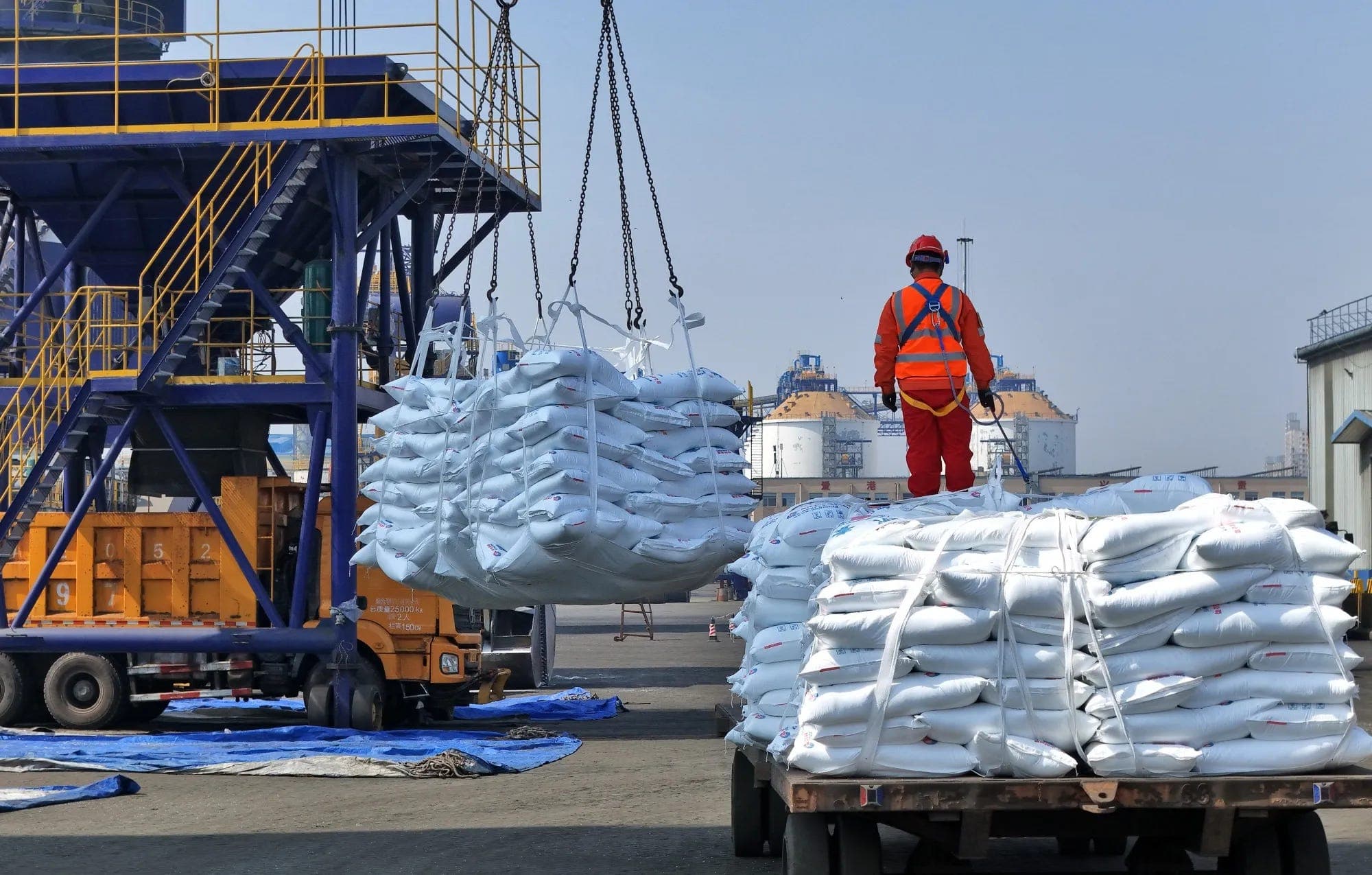
- **Logistical Bottlenecks:** Freight rates increased by **1.78% in December 2025**, signaling persistent supply chain congestion, port delays, and infrastructure constraints. These bottlenecks, coupled with biological and climate-related issues, highlight the urgent need for **modernized infrastructure**, **technological innovation**, and **resilient supply chains** to contain costs and mitigate volatility.
## The Energy Market: A Critical Transmission Channel
Energy markets continue to serve as a pivotal transmission mechanism influencing agricultural input costs, with recent geopolitical developments amplifying their impact.
- **Iran Tensions and Oil Price Surge:** A major recent development involves escalating tensions between the United States and Iran. On **February 20, 2026**, insights from **Haslinda Amin** highlighted that **U.S. President Donald Trump** set a deadline for Iran’s compliance with a new nuclear deal, igniting fears of escalation. Consequently, **oil prices surged to a six-month high**, with **Brent crude breaching $80 per barrel** amid heightened geopolitical risk.
This surge in crude oil prices directly impacts **transportation costs** and **fertilizer production**, both energy-intensive sectors. Elevated oil costs squeeze profit margins across the entire supply chain—from freight to crop inputs—and increase financial pressures on farmers and traders heading into 2027.
- **Natural Gas and Fertilizer Costs:** Natural gas futures surged past **$6 per MMBtu** amid severe winter storms causing widespread outages. Since ammonia fertilizer production relies heavily on natural gas, this increase translates into higher fertilizer costs, prompting farmers to reconsider planting strategies and crop choices for the upcoming season.
- **Global Supply and Demand Dynamics:** Data from **Rory Johnston**’s **Global Oil Data Deck (February 2026)** reveal that the **oil supply surplus shrank for the first time in six months**, with U.S. crude inventories declining by **0.609 million barrels**—a sign of robust demand. Ongoing **geopolitical uncertainties involving Iran, Venezuela, and Middle Eastern countries** continue to inject volatility, with upside risks if tensions escalate further.
- **India’s Energy Demand:** The **India Energy Week 2026** projects that **India will account for roughly 35% of global energy demand growth** this year, exerting upward pressure on prices and complicating the global energy landscape. This dynamic has direct repercussions on agricultural input costs, especially fertilizers and transportation.
### Structural Shifts in the Global Energy Landscape
Emerging analyses suggest that **the global energy market is at a pivotal inflection point**:
- The report **"Coal in 2026: The Energy Inflection Point"** notes a **rally in coal stocks** from mid-2025 lows, signaling a **reversal in the energy transition**. Many emerging markets are reassessing reliance on renewables due to logistical, technological, and economic hurdles, leading to a **resurgence in coal use**. This shift could influence **long-term energy prices**, potentially raising costs for fertilizers and transportation.
- **Qatar’s LNG Strategy:** The recent **Qatar Energy Summit** confirmed **$58 billion mergers** in the oil & gas sector, with Qatar positioning itself as a leading LNG exporter to meet rising Asian demand. These investments aim to secure energy supplies but also reflect ongoing **industry de-worsification**, which could impact future stability and price trajectories.
## New Insights into Oil Market Mechanics
- **OPEC+ Production Policies:** Despite efforts to maintain steady output levels to prevent sharp price swings, **geopolitical uncertainties surrounding Iran** persist. Prices are expected to hover above **$65 per barrel**, with **upside risks** if tensions escalate—scenarios that would further inflate input costs.
- **Venezuelan Oil Output:** The recent US license to expand exploration in Venezuela could lead to increased crude production, adding supply flexibility but also complicating market dynamics.
- **Demand Indicators:** The decline in U.S. crude inventories underscores **robust demand**, while **LNG expansion and AI-driven efficiencies** support supply growth. Nevertheless, input costs for fertilizers and transportation remain under upward pressure, influencing planting decisions and crop profitability heading into 2027.
- **Biggest Oil Companies’ Future Supply Needs:** According to **Wood Mackenzie**, **the biggest oil companies need to find approximately 22 million barrels per day (MMbpd) by 2040** just to sustain current production levels. This stark projection underscores a **significant supply gap**: "The main industry players can't spend their way out of the problem," warns Wood Mackenzie. This looming deficit could lead to **long-term upward pressure on prices**, feeding into agricultural input costs and market volatility.
## Broader Commodity Trends and Strategic Implications
Earlier bullish sentiments for base metals have moderated, with **Reuters** projecting modest gains—**copper (20%)**, **tin (16%)**, and **aluminum (12%)**—relative to 2025. However, **mine outages** and limited new projects sustain supply-side risks. For example, **copper’s rebound from recent lows** underscores ongoing constraints that could keep equipment and infrastructure costs elevated.
**Aluminum** remains volatile, affected by tariffs and supply disruptions. Recent policy shifts—such as **Trump’s narrowing of tariffs**—influence manufacturing costs critical for agricultural machinery and infrastructure.
## New Developments: Copper and North American LNG
### Copper’s Price Dynamics
Despite recent rallies, **copper prices** are unlikely to sustain the recent surge. Last month, copper surged to over **$13,000 per ton**, driven by supply constraints and increased demand from infrastructure and green technology sectors. However, **retreating to around $12,700 this week**, analysts suggest that **copper’s rally is unlikely to persist** without new supply disruptions or sustained demand. As **"Copper Unlikely to Follow Near-Term Gold Rally"** indicates, **copper’s fundamental supply-side issues**—including mine outages and limited new project development—may lead to stabilization or temporary declines, impacting costs for electrical equipment and infrastructure critical for agriculture and energy sectors.
### North American LNG: A Global Discussion
The **North American LNG sector** is increasingly central to global energy dynamics. A recent **YouTube discussion titled "North American LNG — A Global Discussion"** highlights ongoing efforts to expand LNG exports from the U.S. and Canada to meet rising Asian and European demand. These developments could:
- **Stabilize or lower global gas prices** if supply ramps up, easing fertilizer and energy costs for agriculture.
- **Shift trade flows**, affecting global fertilizer supply chains and transportation costs.
- **Drive strategic investments** in LNG infrastructure, with significant implications for regional energy security and price stability into 2027.
## Current Status and Implications
As 2026 concludes, the interconnected impacts of **geopolitical conflicts**, **energy market volatility**, **biological threats**, and **logistical challenges** continue to create an unpredictable environment for agriculture. Brent crude remains elevated, **hovering above $75–$80 per barrel**, driven by Middle East tensions and US–Iran conflicts. Natural gas and fertilizer costs are under upward pressure, influencing planting decisions and profitability.
The **resurgence of coal** in some markets and **Qatar’s LNG investments** underscore ongoing shifts in the energy landscape, with potential long-term effects on input costs. Meanwhile, **copper prices**—though rallying—are unlikely to sustain their recent gains, maintaining supply-side constraints that influence infrastructure and equipment costs.
## Final Outlook: Navigating a Volatile Future
The evolving geopolitical landscape, energy market dynamics, biological threats, and logistical bottlenecks pose significant challenges but also present opportunities:
- **Diversify crops and markets** to hedge against regional conflicts and biological shocks.
- **Proactively hedge input costs** via financial instruments and forward contracts.
- **Invest in precision agriculture, infrastructure, and digital technologies** to enhance supply chain resilience.
- **Monitor geopolitical developments closely**, especially in the Gulf, Asia, and the Americas.
- **Leverage technological innovations** in pest control, crop resilience, and supply chain management.
### Broader Energy and Commodity Dynamics
The recent **policy shifts in the U.S. federal oil and gas sector** suggest a pivot toward **more supportive domestic energy policies**, potentially stabilizing some input costs. Additionally, **North American LNG expansion** aims to meet rising global demand, which could influence energy prices and supply stability over the next year.
**In summary**, 2026 has demonstrated the fragile interdependence of geopolitical, energy, biological, and logistical factors affecting agriculture. Stakeholders who remain vigilant, diversify strategies, and invest in innovation will be best positioned to navigate the turbulence and capitalize on emerging opportunities in 2027. The developments in copper prices and North American LNG underscore the importance of understanding broader commodity and energy trends—key drivers that will continue shaping agricultural markets in the near future.