# Media Portrayals and Lived Experiences Shaping Views of China: Navigating a Multifaceted Reality
In an era marked by rapid economic growth, technological breakthroughs, and shifting geopolitical dynamics, perceptions of China remain deeply layered and often polarized. While mainstream media frequently spotlight China's impressive urban landscapes, infrastructure projects, and strategic ambitions, these narratives can overshadow the complex realities faced by its citizens and diaspora communities. Recent developments underscore the importance of moving beyond reductive stereotypes, embracing a more nuanced understanding of China's internal resilience, societal debates, and international strategies.
## Continued Divergence Between Media Narratives and Personal Lived Realities
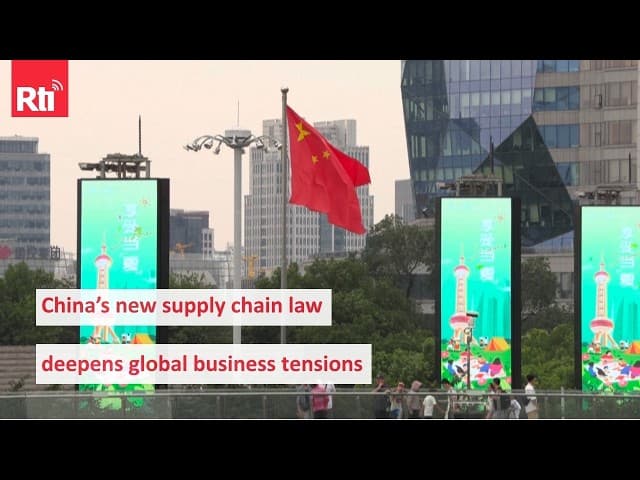
Traditional media often emphasize China's towering skylines, high-speed rail networks, and cultural fusion—images that evoke an impression of relentless modernization and soft power. Viral videos and cultural programs celebrate achievements in urbanization and innovation, projecting an image of a society driven by resilience and technological progress. However, these portrayals tend to gloss over internal social tensions, debates over cultural identity, and the diversity of experiences within Chinese society.
In contrast, personal stories from the Chinese diaspora and grassroots voices reveal a more complicated picture. Many diaspora members face ongoing racial hostility—such as being told to "go back to China"—highlighting struggles with discrimination and identity. These narratives also include efforts at cultural reclamation and resilience against external stereotypes and internal challenges. For example:
- **Racial Hostility and Cultural Reclamation**: Members of Chinese communities abroad engage with language, history, and cultural practices as acts of resistance and pride amid discrimination.
- **Resilience and Agency**: Personal accounts highlight overcoming prejudice, asserting cultural identity, and actively shaping their narratives despite external misperceptions.
Such stories challenge the simplistic view of China solely as an authoritarian or rapidly modernizing society, emphasizing internal debates about social justice, ethnic identity, and cultural continuity.
## Domestic Priorities: Policies Reflecting Societal Resilience
China’s internal policy landscape remains robust, with recent political events such as the **“Two Sessions”**—the annual legislative gatherings—providing a window into the country’s strategic priorities. Coverage of these sessions reveals a focus on **economic stability**, **social welfare**, **healthcare**, **environmental sustainability**, and **technological innovation**.
A viral YouTube video titled **"What ordinary Chinese are looking out for at the 'Two Sessions'"** encapsulates grassroots concerns, highlighting priorities like **economic security**, **accessible healthcare**, **environmental protection**, and **technological independence**. These reflect a society committed to **sustainable and inclusive growth**, especially amid global uncertainties.
### Key Policy Signals:
- The **latest five-year plan** emphasizes **economic rebalancing**, shifting from export-driven growth toward **domestic demand**, **innovation**, and **social stability**.
- Efforts are underway to **strengthen internal markets** and **expand social safety nets**—aimed at improving resilience and reducing reliance on external economies.
- Increased focus on **social welfare reforms**, **healthcare improvements**, and **environmental initiatives** aim to enhance quality of life and societal cohesion.
Moreover, a recent article from **People’s Daily** titled **"Can China's economy keep running in the Year of the Horse?"** underscores ongoing confidence in China’s economic resilience, emphasizing **adaptability** and **strategic reforms** designed to sustain growth despite external headwinds.
## Technological Advances, Regulation, and Self-Reliance
China’s technological trajectory continues to accelerate, driven by proactive legislative and regulatory measures. Recent initiatives include:
- **Accelerated research and regulation concerning AI and the low-altitude economy**, as reported by China.org.cn, reflecting a strategic intent to **manage emerging sectors responsibly**.
- The implementation of **AI safety regulations**, requiring companies to adhere to government standards; currently, **over 6,000 firms** are authorized to develop and deploy AI products, balancing innovation with security concerns.
- **Reforms in semiconductor and manufacturing sectors** aim to **reduce dependency on foreign technology**, fostering domestic innovation hubs and self-sufficiency.
This push for **technological independence** is reshaping **global supply chains**. Countries and corporations are reassessing their strategies, with some shifting investments to diversify sources, as highlighted in analyses like **"Forget the US: China now drives political risk in global markets"** from IPE. China's focus on **next-generation technologies** influences international markets, prompting strategic recalibrations worldwide.
## China’s Global Role: Ambitions, Challenges, and Strategic Responses
China’s **Belt and Road Initiative (BRI)** continues to reshape international infrastructure and trade relationships across Asia, Africa, and Europe. While fostering economic connectivity, Western skepticism persists over concerns about **debt diplomacy** and **strategic encroachment**.
Recent studies, such as **"The Pivot: How China Turbocharged Its Industrial Policy and Remade the Global Economy,"** detail China’s emphasis on **technological innovation**, **manufacturing upgrades**, and **self-sufficiency**—aimed at **reducing vulnerabilities** exposed by the COVID-19 pandemic and geopolitical tensions.
China’s **military modernization** remains a key component of its strategic ambitions:
- Despite economic headwinds, **military spending continues to grow**, emphasizing **regional influence** and **technological superiority**.
- The country has introduced **AI safety regulations for defense sectors**, ensuring **technological security** amid rapid innovation.
- Efforts toward **self-sufficiency in semiconductors and AI** are causing **global supply chain shifts**, prompting nations to recalibrate their investments and alliances.
## Diplomatic Engagements and Strategic Dialogues
Recent high-level diplomatic efforts suggest a nuanced approach to managing tensions. Notably:
- The **US-China economic talks in Paris** exemplify an opportunity for **pragmatic cooperation** amid ongoing rivalry, focusing on **trade**, **technology**, and **mutual concerns**.
- Chinese leadership emphasizes **domestic stability** during the **nine-day legislative sessions**, even as regional conflicts and Middle East tensions persist. Articles like **"China’s leaders project stability despite Middle East war"** highlight efforts to **calm internal and external anxieties**, reinforcing China’s image as a resilient global actor.
## Human Rights, Minority Policies, and International Perceptions
Recent policy developments and expert analyses continue to influence perceptions:
- The passage of **"ethnic unity" laws**, such as the **Law on Promoting Ethnic Unity and Progress**, has drawn criticism from international observers who argue it may deepen minority assimilation pressures, especially in regions like Xinjiang and Tibet.
- An **expert talk series** titled **"Understanding China’s System of Political Repression"** explores internal governance mechanisms, providing context but also fueling debates on human rights and civil liberties.
- International coverage remains polarized: sensationalist headlines warning of economic collapse or political repression coexist with nuanced reports emphasizing internal reforms, societal debates, and the government’s focus on stability and development.
## Navigating Media Polarization and Its Implications
The media environment continues to be deeply polarized:
- Alarmist content, such as **"China’s Economic Nightmare Has Officially Begun - $3 Trillion Panic,"** amplifies fears of slowdown, debt crises, and instability.
- Conversely, more comprehensive analyses like **"Everything You Should Know About China's Economy on Thursday"** from CrossPacificWatchers highlight **ongoing reforms**, **long-term resilience**, and **strategic adaptation**.
Recognizing this dichotomy underscores the necessity of **contextualizing sensationalist content** with on-the-ground realities and policy developments. Appreciating internal debates, societal diversity, and long-term strategic planning fosters a more **balanced understanding**—crucial for constructive international engagement.
## Current Status and Broader Implications
Today, China is actively **rebalancing** its economy toward **domestic demand**, emphasizing **social welfare**, **environmental sustainability**, and **technological independence**. Its **global ambitions**—embodied in the **BRI** and strategic investments—continue to expand amid growing **security concerns** and **technological competition**.
Diplomatic efforts, exemplified by recent **high-level talks in Paris**, suggest pathways toward **pragmatic cooperation**, even as rivalry persists. Recognizing China’s internal diversity and resilience is vital for fostering **mutual understanding** and **constructive dialogue**.
**In essence**, China’s evolving narrative reflects a society **actively shaping its future** through internal resilience, technological innovation, and strategic diplomacy. Moving beyond stereotypes to appreciate its internal debates, societal complexity, and long-term ambitions is essential for navigating the intricate landscape of global geopolitics. This nuanced perspective promotes **mutual understanding** and sets the stage for more **cooperative international relations** in this era of profound transformation.