# Capital, Projects, and Standards Reshape the Global Gas and LNG Infrastructure Landscape
The global natural gas and LNG sectors are experiencing a period of unprecedented transformation driven by strategic investments, innovative projects, evolving safety standards, and a robust policy environment. These developments are not only enhancing infrastructure resilience and safety but also positioning the industry to meet the dual demands of energy security and climate commitments. As countries and companies navigate this complex landscape, recent milestones and initiatives underscore a dynamic shift toward a more diversified, sustainable, and secure energy future.
## Major Project Milestones Signal Growing Confidence
**Argentina’s LNG Project Advances with FEED Completion**
Argentina has reached a significant milestone — progressing into the **Front-End Engineering Design (FEED)** stage for its flagship LNG project. This advancement reflects strong government backing and investor confidence, aiming to enhance export capacity and attract substantial foreign direct investment. The project aligns with broader South American efforts to responsibly harness local hydrocarbon resources while maintaining a commitment to environmental sustainability. Such developments are critical for Argentina’s ambition to become a more active player in regional and global LNG markets.
**North American Infrastructure Expansion Maintains Momentum**
Across North America, the Permian Basin continues its robust infrastructure development, with extensive pipeline expansions, compressor station upgrades, and new processing facilities. These upgrades are essential for managing the region’s surging shale gas output, facilitating export flows to international markets via Gulf Coast LNG terminals, and alleviating logistical bottlenecks. Similarly, Appalachia is experiencing a surge in gathering and processing capacity, underpinning regional economic growth and ensuring a stable supply of natural gas—solidifying North America’s position as a leading global supplier.
**Williams Diversifies into Integrated Energy Solutions**
US pipeline giant Williams is shifting its strategic focus beyond traditional infrastructure. The company is heavily investing in **renewable energy integration** and **energy storage** projects. This move reflects a broader industry trend toward creating flexible, resilient energy systems that support decarbonization efforts while maintaining energy security. Williams’ diversification exemplifies how existing pipeline operators are evolving to meet future energy needs, blending fossil fuels with clean energy technologies.
**UK Infrastructure Modernization and Hydrogen Initiatives Accelerate**
The UK is making significant strides in modernizing its energy infrastructure. A notable project involves upgrading **750 meters of aging gas pipelines**—originally installed in the 1950s—through a £91 million initiative covering over 186 miles (300 km) across the East of England. These upgrades aim to improve safety, reliability, and operational efficiency amid a transitioning energy landscape.
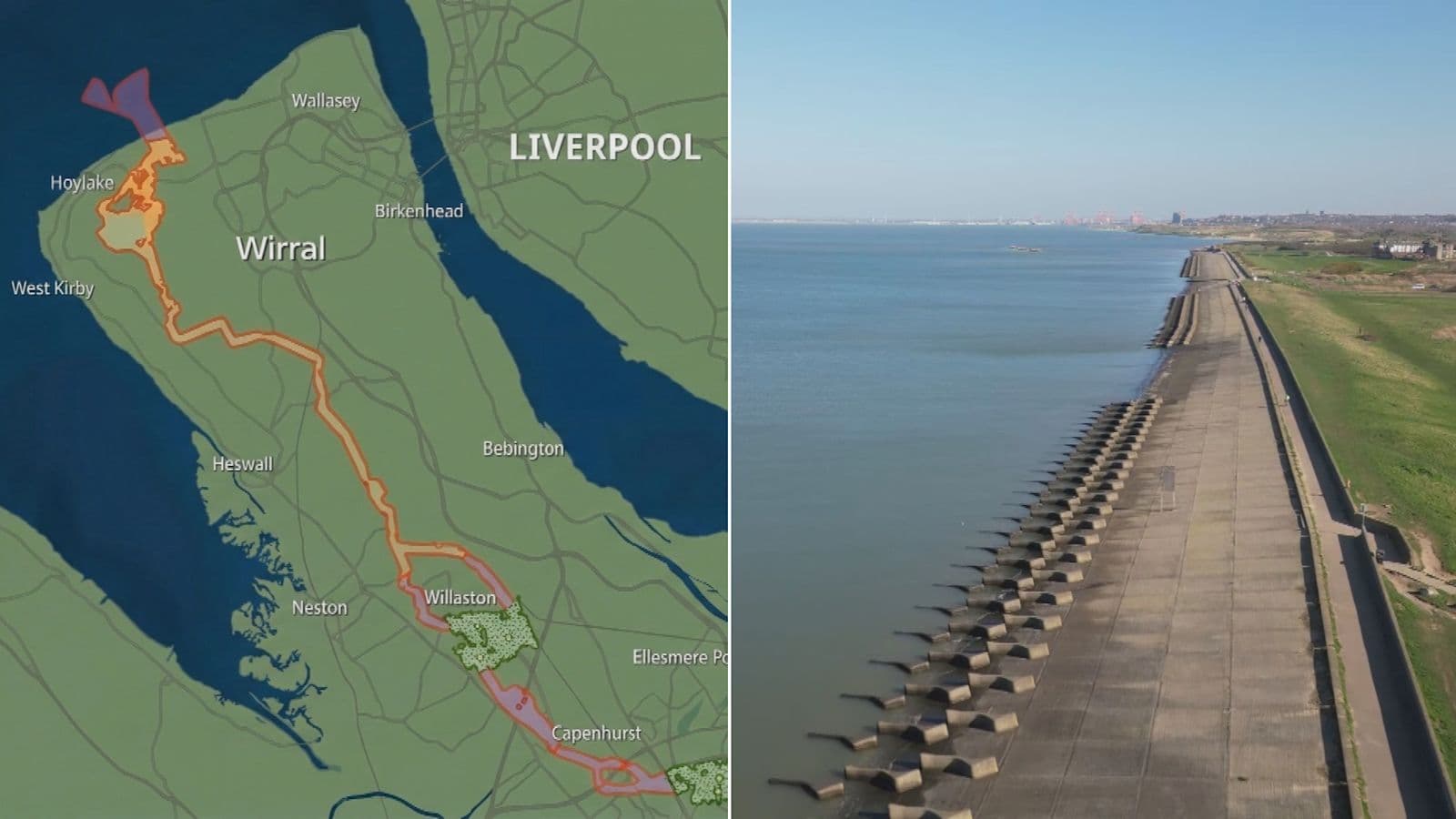
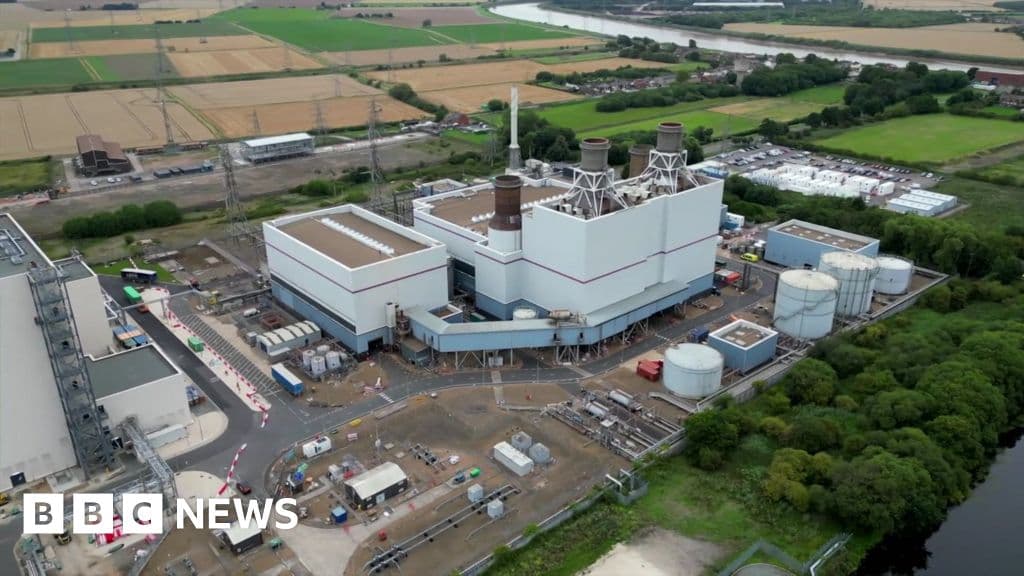
Simultaneously, the UK’s **H₂East Pipeline** project exemplifies the push toward low-carbon energy carriers. This underground hydrogen pipeline, connecting the Humber region to Nottinghamshire, is designed to transport decarbonized hydrogen, supporting the UK’s net-zero ambitions. Further reinforcing this momentum, the industry has launched a bid for approximately **£500 million ($674 million)** in government funding to develop a **Humber Hydrogen Pipeline Network**. This ambitious initiative aims to establish a large-scale hydrogen infrastructure hub, enabling production, storage, and distribution of low-carbon hydrogen across northern England.
In Wales, ongoing efforts include the final section of Exeter’s **Buddle Lane gas upgrade**, as Wales & West Utilities continues to modernize existing infrastructure to enhance system resilience and safety.
## Financing and Investment Trends Accelerate the Transition
**Private Sector Support Fuels Innovation**
Financial markets are increasingly supporting clean energy and infrastructure projects. A prominent example is **KKR’s recent commitment of $600 million** to an energy transition partnership. This investment aims to accelerate the development of technologies like natural gas, hydrogen, and Carbon Capture, Utilization, and Storage (CCUS), emphasizing the sector’s commitment to emissions reduction and innovation.
**Brazos Midstream’s Strategic Expansion**
Brazos Midstream has recently increased its credit facilities to **$1.1 billion**, enabling investments in midstream assets such as produced-water management systems. These systems are crucial for lithium extraction—an essential component of batteries and energy storage—highlighting how midstream companies are aligning with the clean energy economy. This strategic move underscores the sector’s adaptation to emerging demands for critical minerals and its integration within broader energy transition pathways.
**Public Investment Supporting Innovation**
The Scottish National Investment Bank has surpassed a **£1 billion milestone** in investments, notably backing Aurora Energy Services. This milestone exemplifies how public financial institutions are playing a vital role in supporting infrastructure and clean energy projects, providing the capital needed for innovative developments that underpin the global transition.
## Strengthening Safety, Standards, and Regulatory Oversight
**Enhanced Safety Protocols in Response to Incidents**
Recent incidents, such as the pipeline blast at Delfin LNG, have prompted regulators like **PHMSA (Pipeline and Hazardous Materials Safety Administration)** to implement more rigorous testing, inspection, and safety protocols. These measures aim to improve pipeline integrity, reduce failure risks, and protect communities and ecosystems from potential hazards.
**Industry Standards Evolve to Improve Safety**
Standards organizations, including the **Manufacturing Standards Society (MSS)**, have issued **errata** to specifications related to valves and fittings used in gas pipelines. These updates are designed to enhance safety margins, technical rigor, and leak mitigation—especially critical as infrastructure networks grow more complex and interconnected.
**Regulatory Enforcement Upholds Accountability**
Regulatory agencies are increasing enforcement actions to ensure operational responsibility. For instance, **Kellas Midstream** was fined **£175,000 (~US$239,000)** for excessive venting at its CATS gas terminal in Teesside. Such penalties underscore the importance of environmental compliance and responsible stewardship within the sector.
## Industry Engagement and Policy Responses
The UK’s energy sector remains proactive in addressing energy security concerns. The **"Securing Britain’s Energy"** report emphasizes modernization of infrastructure, investment in hydrogen and renewable energy integration, and fostering a regulatory environment conducive to innovation and resilience. These efforts aim to balance immediate supply reliability with long-term decarbonization targets.
Similarly, across Europe and North America, industry stakeholders are actively engaging in policy dialogues to align infrastructure development with climate goals and energy security needs. This includes integrating stricter safety standards, promoting clean energy investments, and ensuring resilient supply chains amidst geopolitical challenges.
## Implications and Outlook
The convergence of new projects, increased financing, tighter standards, and strategic policy engagement marks a transformative era for the global gas and LNG industry. Key implications include:
- **Diversification of LNG and gas infrastructure** to serve both traditional markets and emerging low-carbon pathways, exemplified by projects like the UK hydrogen pipeline and Argentina’s LNG initiatives.
- **Growing investments in low-carbon assets**, including hydrogen production and critical mineral infrastructure, signaling a broader shift towards a cleaner energy mix.
- **Enhanced safety and environmental standards**, driven by incidents and regulatory reforms, ensuring sustainable growth.
- **Active policy and industry collaboration**, vital for balancing energy security with climate commitments.
As these trends continue, natural gas remains a vital “bridge fuel,” facilitating the transition while fostering technological and infrastructural innovations. The industry’s ability to adapt and strategically invest will be crucial in delivering a resilient, sustainable, and secure energy future for decades to come.