# 2026: The Year AR Smart Glasses Became AI-Integrated Daily Essentials
The year **2026** has firmly cemented itself as the pivotal moment when **augmented reality (AR) smart glasses** transitioned from niche gadgets into **indispensable, AI-powered companions** seamlessly integrated into everyday life. This transformation has been driven by a **confluence of technological breakthroughs**, **ecosystem collaborations**, and **market innovations**—with **Google’s Gemini AI**, **Android XR alliances**—notably with **XREAL**, and a surge in **stylish, consumer-friendly devices** leading the charge. These advancements are **redefining how we work, communicate, and entertain**, making AR glasses **more accessible, powerful, and integrated** than ever before.
---
## The AI and Hardware Revolution: Making AR Smarter, Sleeker, and More Accessible
### Google Gemini: The AI Backbone Powering Contextually Intelligent AR
At the heart of this revolution is **Google Gemini**, an **advanced large language model (LLM)** optimized specifically for **wearable AR devices**. Its incorporation into smart glasses has **revolutionized user interactions**, transforming AR from static overlays to **dynamic, conversational, and highly context-aware assistants**. Key capabilities include:
- **Real-Time, Adaptive Guidance**: Gemini provides **personalized, instant assistance**—from navigation cues to complex data analysis—delivered through **natural, conversational interfaces**.
- **Rich Multimodal Interactions**: Users benefit from **live translations**, **detailed annotations**, and **visual data overlays**, creating **immersive information layers** that enhance productivity and understanding.
- **Multilingual Support**: The AI supports **live subtitles** and **spoken language conversions** across numerous languages, **breaking linguistic barriers** and fostering **seamless global communication**.
- **Context-Driven Notifications**: Alerts and suggestions **dynamically adapt** based on **location**, **activity**, and **user preferences**, turning AR glasses into **intelligent, conversational companions**.
Industry experts describe Gemini’s AI infrastructure as "**making interactions more natural, fluid, and intuitive**," enabling AR devices to serve as **AI-powered assistants** with **emotionally aware**, **deep insights**, and **nuanced guidance**.
### Hardware Innovations: Miniaturization, Visual Fidelity, and Cost Efficiency
Complementing AI advances are **hardware breakthroughs** that have **redefined AR device design**:
- **ASIC Chips**: Devices like **Ganzin AURORA IIE** now support **persistent AI functionalities** with **ultra-low power consumption**, enabling **all-day wear** within **sleek, lightweight frames**.
- **Display Technologies**: Collaborations with **Himax** and **AUO** have propelled **LCoS (Liquid Crystal on Silicon)** and **OLED microdisplays**, **reducing costs** while **enhancing visual clarity and vibrancy**.
- **Mainstream Devices**: The **RayNeo Air 4 Pro**, launched at CES 2026, features **HDR10 support**, **high-contrast visuals**, and **vivid color reproduction**, making it ideal for **media consumption** and **professional visualization**.
- **Affordable Options**: The **XREAL 1S**, priced around **$400–$500**, offers **upgraded displays**, **longer battery life**, and **wireless streaming**, broadening AR’s appeal into **entertainment**, **gaming**, and **productivity** sectors.
- **High-Performance Models**: The **ROG XREAL R1** from **ASUS/ROG** caters to **gamers** and **professionals** requiring **high-refresh-rate visuals (240Hz)** and **smoother performance**.
### Cutting-Edge Display and Visualization Tech
Recent demonstrations at CES 2026 highlight **state-of-the-art display innovations**:
- **XGIMI Stereo AR Glasses** support **stereoscopic AR** at **240Hz refresh rates** with **advanced optics**, transforming environments into **dynamic 3D spaces**.
- **Samsung OLED-on-Silicon Microdisplays** deliver **vivid visuals** while maintaining **cost efficiencies**, making **high-quality AR** more **widely accessible**.
- The development of **light-field** and **holographic display** technologies—such as devices capable of **"turning any screen into real 3D"**—introduces **discreet, immersive glasses-based 3D environments**. These innovations threaten to **disrupt traditional media, gaming, and visualization**, with **stylish, everyday wearables** potentially replacing bulky headsets.
---
## Industry Demonstrations, Ecosystem Expansion, and Market Dynamics
### Major Events and Product Launches
**CES 2026** served as a showcase for AR’s **practicality and entertainment potential**:
- The **XREAL 1S** impressed audiences with **fluid AR gaming**, **high refresh rates**, and **wireless content streaming** capabilities.
- The **RayNeo Air 4 Pro** demonstrated **HDR10 support**, delivering **stunning media viewing experiences**.
- The **RayNeo X3 Pro**, introduced earlier, exemplifies **professional-grade AR hardware** with **HDR10**, **high-refresh-rate displays**, and **multimedia capabilities**.
> **"Pick up the RayNeo X3 Pro here: [https://www.rayneo.com/products/](https://www.rayneo.com/products/)"**
Designs continue to emphasize **comfort** and **discreetness**, aiming for **everyday wearability** that resembles **regular eyewear**, facilitating **seamless integration** into daily routines.
### Recent Innovations and Demos
Additional notable developments include:
- **XGIMI Stereo AR Glasses**: Supporting **stereoscopic AR** at **240Hz**, capable of transforming environments into **immersive 3D spaces**.
- **Samsung OLED Microdisplays**: Offering **vivid visuals** combined with **cost efficiencies**, democratizing access to **high-quality AR**.
- The rise of **light-field** and **holographic display** tech—such as **"turn any screen into REAL 3D"**—are pioneering **glasses-based 3D environments** that **disrupt traditional media and gaming**, making **immersive 3D content** more **accessible** and **integrated**. These innovations aim to **replace bulky VR headsets** with **stylish, everyday glasses**.
### Ecosystem Growth: Partnerships and Competition
The **AR ecosystem** continues its rapid expansion through **industry collaborations**, **developer platforms**, and **content partnerships**:
- The **Google–XREAL partnership** is especially influential, integrating **Android XR** with **Gemini AI** to enable **real-time translation**, **multilingual assistance**, and **context-aware overlays**—**bridging linguistic and cultural divides**.
- **XREAL** emphasizes **cost-efficiency** and **versatility**, supporting models like the **XREAL 1S**, optimized for **wireless streaming**, **content creation**, and **immersive experiences**.
- Hardware offerings such as **high-refresh-rate glasses** (e.g., **ROG XREAL R1**) cater to **gaming** and **professional users** demanding **high-fidelity visuals**.
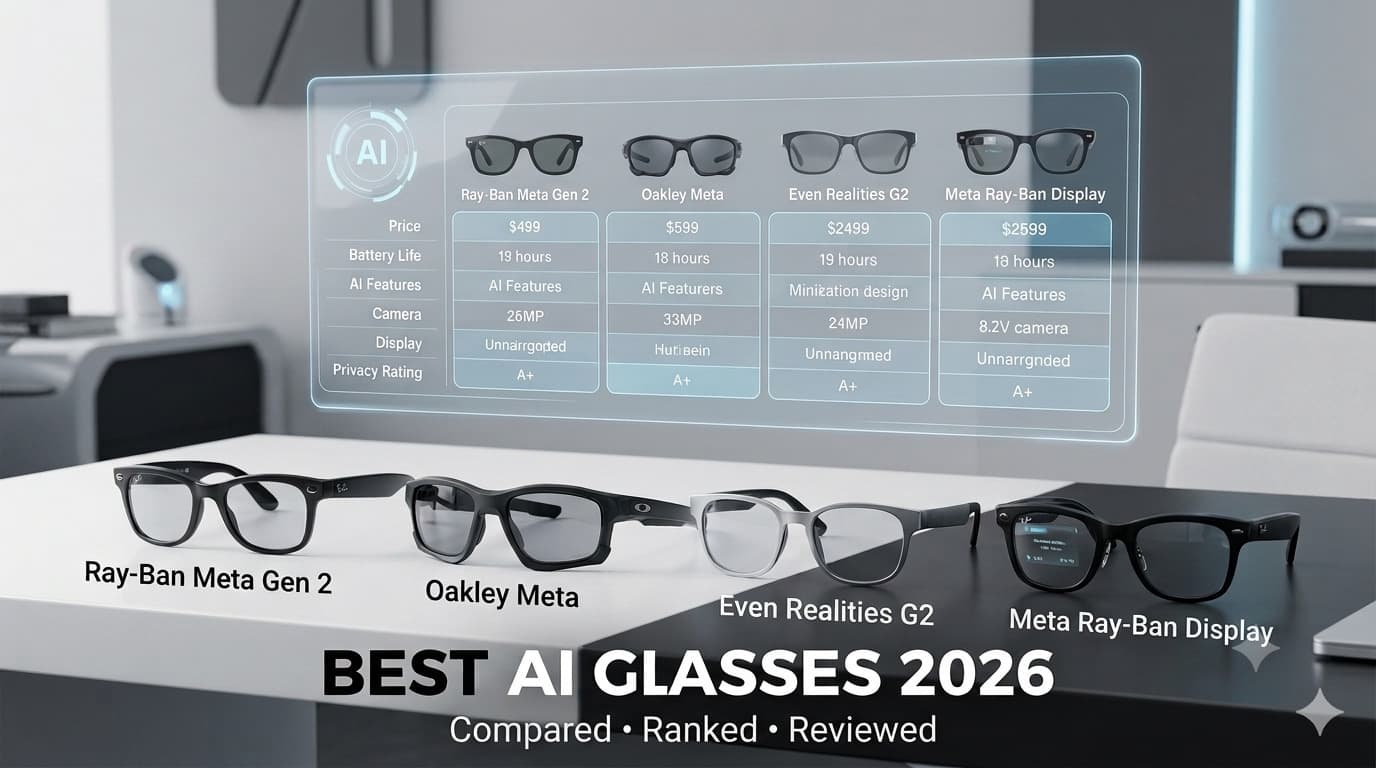
- Industry giants like **Meta** and **Oakley** have announced **advanced AR glasses** focusing on **social sharing**, **visual fidelity**, and **battery longevity**, broadening consumer appeal.
- **Samsung** unveiled upcoming XR glasses emphasizing **style**, **power**, and **enterprise applications**, further diversifying the market.
### Rising Competition: Apple and Meta
**Apple** is accelerating its **AR glasses development**, focusing on **minimalist aesthetics** and **deep ecosystem integration** with **iOS** and **macOS**. Reports highlight **gaze-tracking technology** and **intent-driven interactions** designed to **outperform rivals**:
> **"Apple’s smart glasses may feature advanced gaze-tracking, enabling intuitive control and seamless connectivity,"** industry insiders suggest, positioning Apple as a major contender in the AR arena.
**Meta**, meanwhile, pivots toward **immersive social and creative experiences**, with the **Meta N1 AI glasses** supporting **collaborative workflows** and **social interactions**, despite ongoing **privacy debates** and **regulatory scrutiny**.
---
## Societal and Ethical Implications: Privacy, Accessibility, and Regulation
The proliferation of AR glasses raises **critical societal questions**:
### Privacy and Facial Recognition Concerns
Recent developments have heightened **privacy debates**:
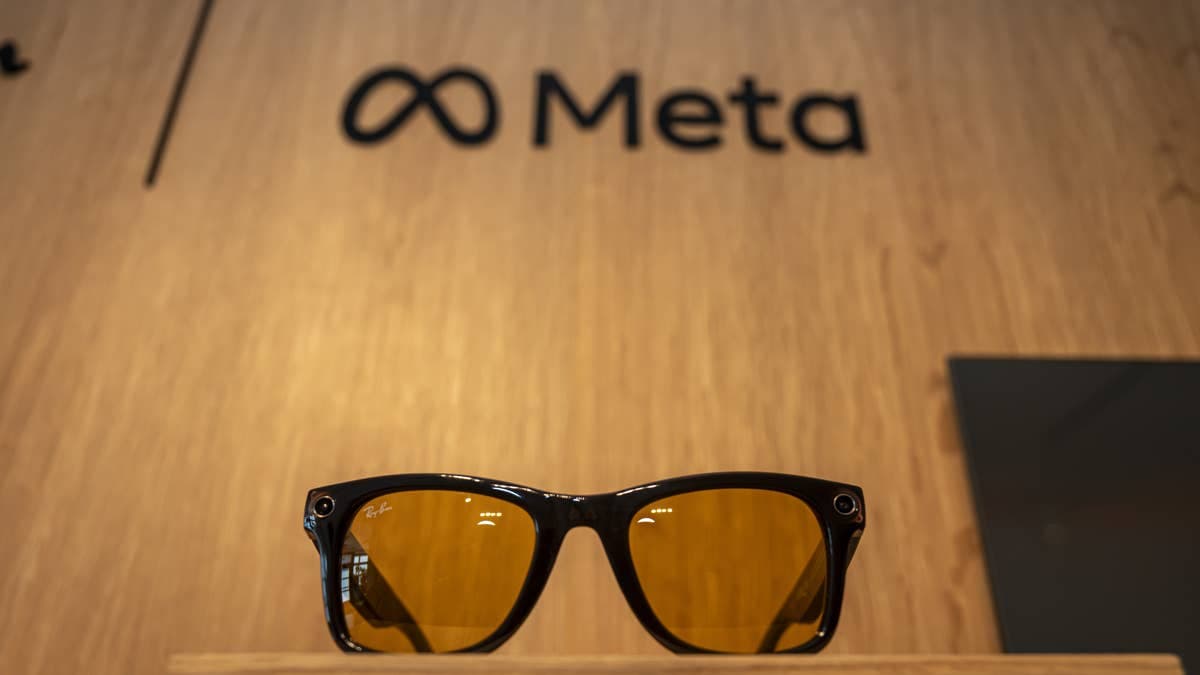
- **Meta’s plans** include **facial recognition features** in its Ray-Ban smart glasses, sparking **public outcry**. Reports from **The New York Times** and a **public YouTube documentary** reveal **Meta’s ambitions** to enable **real-time person recognition**:
> **"Meta is reportedly preparing to roll out facial recognition features on its smart glasses, raising concerns over mass surveillance and biometric data misuse."**
- Such capabilities **amplify regulatory scrutiny**, with many jurisdictions considering **bans or strict regulations** on facial recognition technology. In response, **industry leaders** emphasize **privacy-preserving designs** and **user control** to foster **trust**.
### Assistive and Societal Benefits
Despite privacy concerns, AR glasses demonstrate **significant societal benefits**:
- Devices like **Meta’s Ray-Ban** incorporate **AI-driven assistive features**—**environmental descriptions**, **navigation cues**, and **audio alerts**—supporting users with **visual impairments**.
- Demonstrations such as **"Using Meta Smart Glasses to Live and Work With Sight Loss"** highlight how AR enhances **mobility**, **independence**, and **social inclusion**.
- **Voice-controlled interactions** facilitate **multilingual communication** and **environmental awareness**, making **social and professional interactions** **more accessible** for diverse populations.
### Market Diversification and Consumer Choice
Today’s AR glasses range from **budget to premium**:
- Budget options like **Mentra Live** offer **AI features** such as **live translation** and **stylish design** for **mass adoption**.
- Devices like **RayNeo Air 3S** (~**$200**) serve **everyday users** seeking **high-quality AR**.
- Recent **hands-on reviews** compare **Xreal 1S**, **RayNeo X3 Pro**, and **Ray-Ban Meta**, highlighting **device-specific strengths** in **value**, **features**, and **performance**, fueling **consumer decision-making**.
---
## Recent Developments and Strategic Moves in 2026
Adding momentum, **XREAL** announced **two new AR glasses**:
- **XREAL Air 2** and **Air 2 Pro** feature **one-touch dimming controls**, **three operation modes** (**Transparent**, **Productivity**, **Immersive**), and **enhanced displays**.
- The **Air 2 Pro** (~**$449**) emphasizes **professional-grade features** like **higher brightness** and **improved optics**.
- The **Air 2** (~**$399**) targets **mainstream consumers**, offering **stylish, versatile AR experiences**.
Recent **hands-on comparisons**—such as the **RayNeo X3 Pro versus Ray-Ban Meta**—highlight **value propositions** and **feature sets**, further **fueling consumer confidence** and **market growth**. Notably, **price reductions** on premium models, like the **XREAL One Pro**, now falling below Black Friday deals, underscore **growing accessibility**.
---
## The Ecosystem and Future Outlook
By **2026**, **AR smart glasses** have **become mainstream tools**, driven by **Google Gemini’s AI**, **Android XR alliances (notably with XREAL)**, and **hardware innovations**. These devices **seamlessly blend** into **personal**, **professional**, and **social contexts**, **empowering** new modes of **communication**, **creativity**, and **productivity**.
**Key themes shaping the future include:**
- **AI-empowered interactions**: **Real-time translation**, **multimodal overlays**, and **emotion-aware assistants**.
- **Hardware evolution**: **High-fidelity displays**, **stylish, lightweight designs**, **longer battery life**, and **cost reductions**.
- **Ecosystem growth**: **Developer platforms**, **content partnerships**, and **strategic alliances** fostering **continuous innovation**.
### Industry Competition and Innovation
**Apple** is poised to **enter the AR glasses market** with **minimalist aesthetics** and **deep ecosystem integration**, aiming to **outperform rivals** with **advanced gaze-tracking** and **intent-driven interfaces**. Industry insiders speculate:
> **"Apple’s new AR glasses could redefine user control, making interactions more natural and seamless,"** positioning Apple as a formidable competitor.
**Meta** continues to emphasize **social connectivity** and **creative collaboration**, though facing **privacy debates** and **regulatory challenges**.
---
## Current Status and Broader Implications
In **2026**, **AR smart glasses** are **ubiquitous** and **integral** to daily life, powered by **Google Gemini’s AI**, **Android XR collaborations**, and **hardware breakthroughs**. While **privacy concerns**—particularly regarding **facial recognition**—persist, **industry efforts** and **regulatory frameworks** are increasingly focused on **ethical deployment** and **trust-building**.
The **trajectory ahead** suggests **more immersive**, **intelligent**, and **accessible** AR ecosystems—where **augmented reality** becomes **inseparable from human experience**, transforming **how we interact with digital content** and **each other** through **seamless, AI-enhanced exchanges**.
**2026** has truly **redefined** what **AR smart glasses** are—**from niche gadgets to essential, AI-enhanced companions**, poised to **shape** the next chapter of **digital-human integration**.
---
## Recent Privacy Innovation: Alerting Users When Glasses May Be Recording
In response to mounting **privacy concerns**, a notable development is the emergence of **apps and tools designed to increase transparency**:
- **New applications** now **alert users** if nearby **AR devices capable of recording** are active. This **privacy-focused feature** helps **counteract covert surveillance** and **empowers individuals** to **make informed decisions** about their environment.
- **Implications**: Such tools **highlight a growing consumer demand** for **privacy safeguards** in **wearable AI devices**. They also demonstrate **industry responsiveness** to **regulatory scrutiny** and **public concern**, emphasizing **ethical innovation** and **user control**.
---
## Conclusion
**2026** marks a **milestone year** where **AI-powered AR smart glasses** have become **integral to daily life**, thanks to **Google Gemini’s breakthroughs**, **Android XR alliances** like with **XREAL**, and **hardware innovations**. While **privacy debates** around **facial recognition** continue, **industry efforts** and **regulatory advancements** aim to foster **trust** and **ethical deployment**.
Looking ahead, the **future of AR** is **more immersive, intelligent, and accessible**—where **augmented reality** is **not just a tool**, but an **extension of human experience**, transforming **interactions, work, and play** into **seamless, AI-enhanced journeys**.
**2026** has undeniably **set the stage** for a **new era**—where **smart glasses** are **everyday essentials**, shaping how we **engage with digital worlds** and **each other** in profoundly **transformative ways**.