April 25, 2026
Robotics and Embodied AI Digest · Apr 25, 2026 Daily Digest
RL Advances in Robotic Control and Navigation
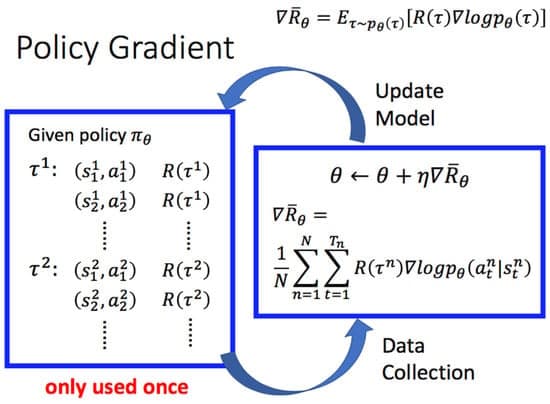
- 🔥 Adaptive Exploration Proximal Policy Optimization: Presents Adaptive Exploration Proximal...

Created by andres martinez jr
State-of-the-art robotics and embodied AI research with safety insights from leading labs
Explore the latest content tracked by Robotics and Embodied AI Digest
EPFL's kinematic intelligence enables robots to learn complex tasks by watching humans, like ball-tossing, adapting to changes and transferring...
New paper proposes co-evolving LLM decision and skill bank agents for long-horizon tasks, enabling scalable planning in embodied AI. Join the discussion.
AE-PPO enhances PPO for robotic continuous control in high-dimensional spaces, tackling insufficient exploration and unstable updates.
Key...
TSDRL, a new two-stage deep RL method, tackles long-range robot navigation by dividing it into subgoal generation (SG) and planning refinement (PR). This advances efficient embodied AI deployment.
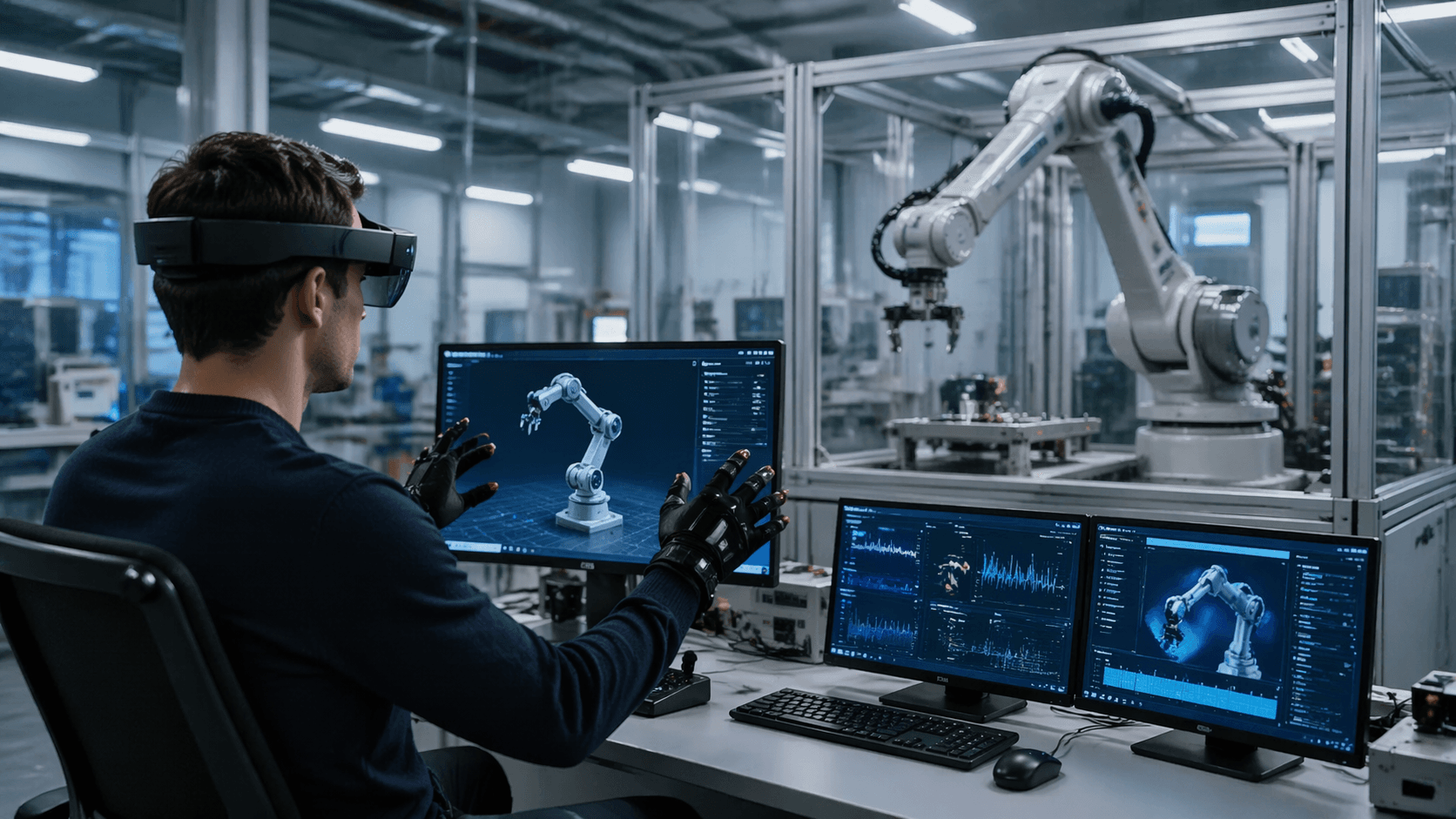
Overcome embodied AI's data bottleneck with teleoperation for expert demos on your hardware—zero embodiment gap, 5–50 episodes/hour.
Don't miss this exciting live panel on AI research breakthroughs from NVIDIA Research, hosted by Károly Zsolnai-Fehér—creator of Two Minute Papers—featuring top researchers.
New systematic survey covers tactile-based multimodal fusion research in embodied intelligence up to Q1 2026, addressing key gaps for robotics enthusiasts tracking manipulation advances.
Nature introduces TransMARL, a dynamic-layer transformer-based RL framework.
Key highlights:
Emerging trend: Transformers are pruning exploration graphs by up to 96% and generating efficient goal-reaching paths.
Emerging trend in scalable video world models for embodied AI:
Human-in-the-loop sim-to-real transfer enables reliable RL deployment for complex robotic tasks, leveraging RL's dynamic adaptation strengths.
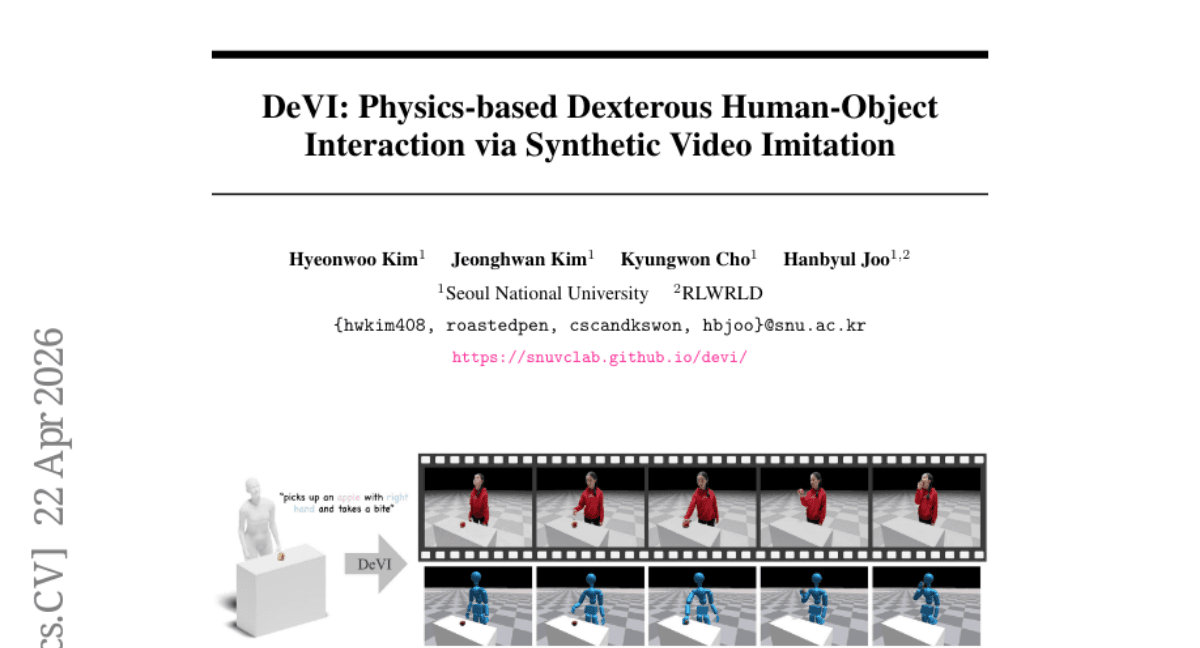
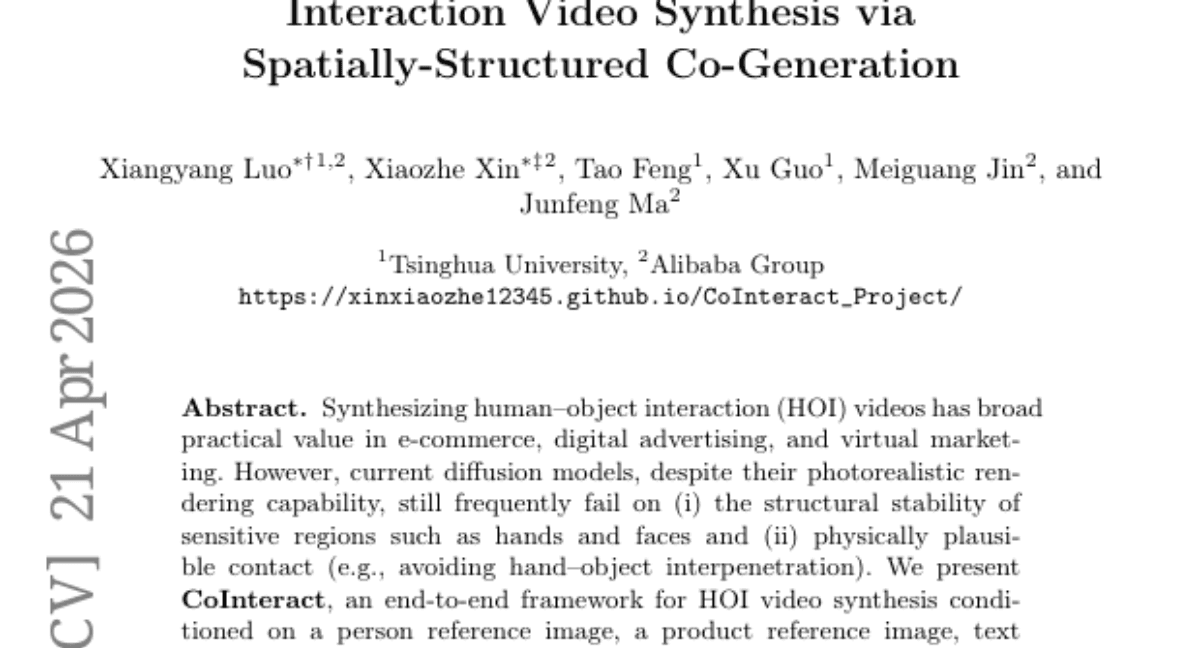
CoInteract introduces spatially-structured co-generation for physically-consistent human-object interaction video synthesis, enabling realistic HOI videos to aid robot simulation training.
Humanoid robots achieve mastery of five distinct gaits—walking, goose-stepping, running, stair climbing, and more—using a new multi-gait learning approach with reinforcement learning. This unlocks versatile locomotion for next-gen agility.