# How Geopolitical Rivalry Is Reshaping Trade, Finance, and the Global Order: The Latest Developments
In an increasingly volatile and fragmented world, the intensifying geopolitical rivalries are not only reshaping traditional spheres of influence but also fundamentally altering energy security, global trade architectures, financial systems, and regional strategic calculations. Recent events and emerging developments underscore a shift toward a multipolar and regionalized global landscape, demanding heightened strategic agility from policymakers, businesses, and societies.
## Escalating Energy Tensions and Security Challenges
One of the most immediate and tangible arenas of geopolitical friction remains energy security. The **Strait of Hormuz**, a critical chokepoint through which approximately **20% of global oil** flows, continues to be a flashpoint. Tensions with Iran have escalated, with the Iranian government actively engaging in messaging that complicates regional stability. Notably, **Iranian Foreign Minister Abbas Araghchi** publicly **rejected U.S. claims** that Supreme Leader **Mojtaba Khamenei** was “wounded,” a statement aimed at countering Western narratives and propaganda. This messaging, documented in a recent YouTube video titled *"Iran FM Abbas Araghchi Rejects U.S. Claim That Supreme Leader Mojtaba Khamenei Is ‘Wounded’"*, underscores the information warfare dimension of the Iran crisis.
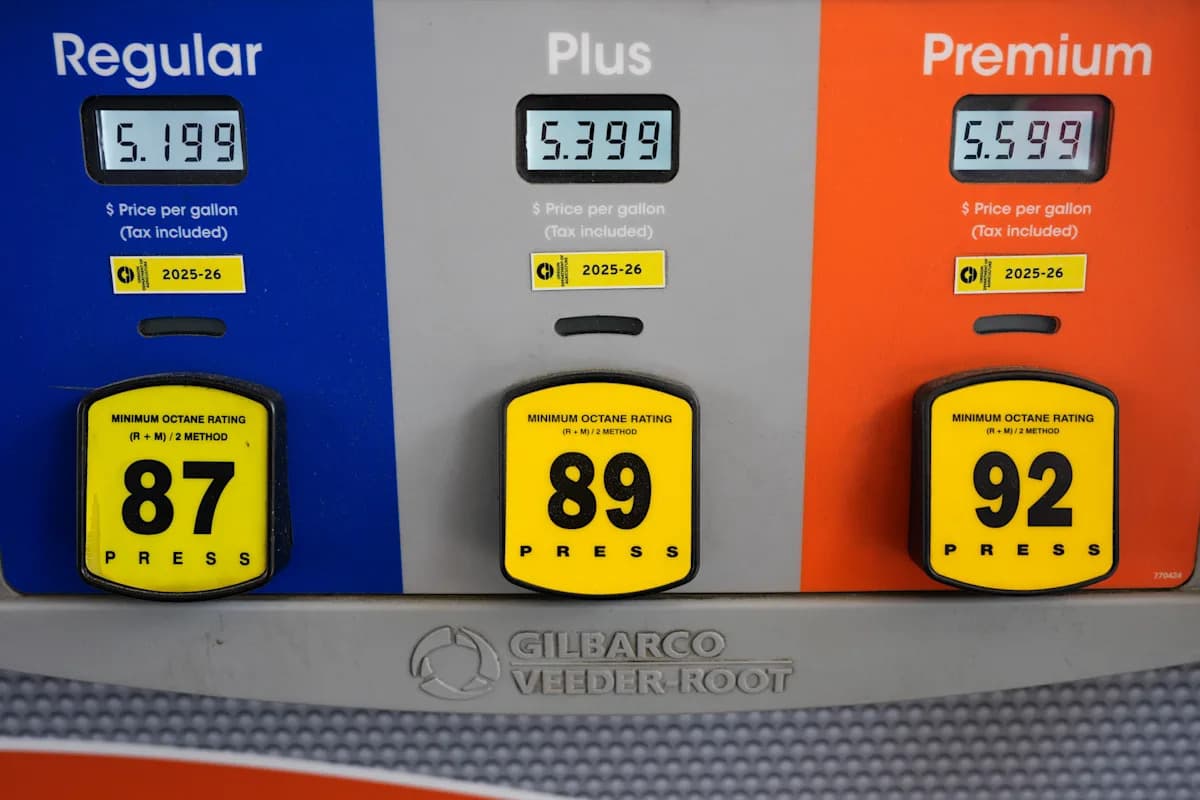
Amid these tensions, Iran’s strategic posture and potential for miscalculation remain high, threatening to disrupt energy flows further. The U.S. and allied forces have responded by deploying additional military resources to the Middle East, exemplifying a proactive effort to safeguard vital energy routes. Despite efforts such as releasing **400 million barrels** from strategic reserves, oil prices have surged past **$100 per barrel in early 2026**, reflecting ongoing vulnerabilities.
Complementing the energy security challenge is the race for **critical minerals**, particularly **copper**, often dubbed the **"new oil"** because of its essential role in green energy technologies, batteries, and electronics. Countries are racing to secure supply chains and develop recycling infrastructure to reduce dependence on volatile regions, recognizing copper’s strategic importance in the global energy transition.
## Regionalization and Technological Decoupling: New Power Dynamics
The era of unrestrained globalization is giving way to **regionalized trade and technological decoupling**. China’s deliberate push into **semiconductors**, **artificial intelligence (AI)**, and **green technology** exemplifies efforts to **achieve technological sovereignty**. Measures such as **export restrictions** and increased **domestic manufacturing** aim to reduce reliance on Western supply chains, intensifying the fragmentation of global networks.
The **DHL Global Connectedness Report 2026** highlights the divergence between U.S. and Chinese technological and trade networks, with countries forming **regional alliances** like the **Indo-Pacific supply chain partnerships** to buffer against external shocks and geopolitical tensions. Furthermore, the **financial infrastructure** landscape is shifting, with China expanding its **Cross-Border Interbank Payment System (CIPS)** as a competing platform to the Western-controlled **SWIFT** system. These developments threaten to fragment the international financial ecosystem, reducing the dominance of traditional channels and fostering a more multipolar financial environment.
## Financial System Resilience: Digital Assets, Gold, and Rising Yields
The global financial landscape is experiencing profound change amid geopolitical turbulence. The expansion of **CIPS** offers an alternative pathway for cross-border transactions, potentially circumventing Western sanctions and controls. Simultaneously, **digital assets** and **tokenized real-world assets (RWAs)** are gaining prominence as decentralized, resilient channels for capital flows, especially in regions seeking to reduce dependence on Western institutions.
In parallel, **gold reserves** are being bolstered worldwide as a hedge against geopolitical and economic uncertainties. Recent data indicate that gold prices have surpassed **₹1.60 lakh per 10 grams**, reflecting heightened risk aversion among investors.
The **U.S. Treasury market** signals tightening monetary policy, with **10-year yields** climbing toward **4.25–4.30%**—a roughly **30 basis points** increase over recent weeks. This rise is driven by expectations of higher interest rates to combat inflation and geopolitical risks, but it also signals potential challenges for global growth. Elevated yields could lead to **risk repricing**, increased borrowing costs, and financial stress, especially in emerging markets.
## Regional Strategic Movements and Geopolitical Influence
Geopolitical rivalry continues to reshape regional strategic calculations. The **Arctic region** has become a key focus, with **Canada** and the **U.S.** deepening cooperation to secure access to its resource-rich and strategically vital areas. **Canada’s efforts to "take more control,"** as articulated by leaders like **Mark Carney**, aim to safeguard Arctic resources amid rising activity and environmental concerns.
Meanwhile, **China** continues its **soft-power initiatives** and **technological investments**, positioning itself as a major player in climate technology, semiconductors, and AI. These efforts serve both economic resilience and geopolitical influence, challenging Western dominance and expanding Chinese influence across **Asia**, **Africa**, and beyond.
## Economic Vulnerabilities and Risks
Despite strategic efforts, vulnerabilities persist. **China’s slowing economy**, with declining manufacturing activity and rising debt levels, threatens to alter **global demand patterns** and resource competition. Analyses such as *"It’s Worse Than We Thought – China’s Economy is Officially Breaking"* highlight the risks of economic slowdown and financial instability, which could have ripple effects globally.
The ongoing **Iran crisis** remains a significant concern. The **IMF** warns that escalation could worsen **energy disruptions**, **inflation**, and **financial volatility**, especially if market fears intensify and trigger broader contagion.
## Current Status and Future Outlook
The latest developments, including Iran’s strategic messaging and regional military deployments, underscore the heightened stakes in energy security and regional stability. The **Iranian government’s rejection** of Western claims about the Supreme Leader’s health demonstrates the information and propaganda dimensions of the crisis, which could influence perceptions and escalate tensions.
The global landscape now faces a **confluence of risks**:
- Persistent energy supply vulnerabilities and chokepoints
- Accelerating regional and technological decoupling
- Fragmentation of financial systems and rise of alternative infrastructures
- Rising yields and financial market volatility
- Strategic regional moves in the Arctic and beyond
**Nations that proactively diversify energy sources, strengthen regional alliances, and invest in technological resilience will be better positioned to navigate this turbulent environment.** Conversely, failure to adapt could lead to increased instability, fragmentation, and unpredictability in the global order.
**In conclusion**, the evolving geopolitical rivalry continues to redefine the rules of global engagement, emphasizing resilience, regional strength, and technological sovereignty. As recent developments and expert analyses indicate, the world is in a transitional phase—one that demands foresight, agility, and strategic innovation from all global actors.