# Regional Emergency Operations and Infrastructure Resilience Reach New Heights in 2026
As climate-driven extreme weather events intensify across the region in 2026, local governments, emergency agencies, and communities are making unprecedented strides in enhancing preparedness, response, and resilience. These advancements are driven by innovative technology deployment, expanded alert systems, aerial and marine support capabilities, and critical infrastructure upgrades—all aimed at safeguarding lives, property, and regional stability amid escalating climate challenges.
## Cutting-Edge Incident Monitoring and Multi-Channel Communication
One of the most significant developments has been the **refinement and expansion of real-time incident monitoring systems** and **multi-channel alert platforms**. The **HEC Active Incidents Dashboard** now refreshes every five minutes, providing emergency responders and the public with rapid, accurate information on hazards such as flooding, road closures, downed power lines, and storm impacts. This high-frequency data exchange has resulted in **faster coordination**, more targeted responses, and reduced response times during crises.
Communities are further leveraging **comprehensive alert systems** like **CivicEngage Alert Centers**, **NOTIFYNYC**, and **CodeRED** to send **timely alerts via SMS, email, and mobile apps**. These tools are crucial for reaching vulnerable populations, including seniors and essential workers, ensuring they receive critical safety instructions and shelter options. For example, **Watertown and Codington County** recently rolled out localized CodeRED systems, which significantly improved notification speed during recent severe weather events.
## Advanced Aerial and Marine Response Technologies
The integration of **drone technology** has revolutionized emergency response, providing **enhanced situational awareness**, **damage assessment**, and **traffic management** capabilities. Collaborative efforts between states such as **West Virginia and Virginia** have led to the widespread adoption of affordable drone solutions, now routinely used by jurisdictions including **Santa Ana**. These drones offer **real-time aerial imagery**, enabling responders to **prioritize damage surveys**, **reduce secondary accidents**, and **accelerate evacuation efforts**.
Recent storm responses demonstrated the drones’ effectiveness: **faster damage assessments** allowed for more precise deployment of resources, and aerial views helped responders identify hazards that might otherwise go unnoticed. The aerial perspective has become indispensable for urban hazards, severe weather, and maritime incidents alike.
Complementing drone operations, the **marine safety unit** has been expanded to bolster **maritime emergency response**, particularly along major waterways and port areas. This initiative enhances rescue capabilities, pollution control, and security, ensuring safer navigation and rapid response to marine emergencies.
## Strengthening Winter Storm and Utility Resilience
The winter of 2026 tested the region’s emergency preparedness and utility resilience. States like **Fort Pierce, Florida**, and **Greensboro, North Carolina**, activated emergency declarations, established shelters, and managed travel restrictions efficiently. Utility companies pre-positioned crews in vulnerable zones, enabling **rapid restoration of power** after outages caused by fallen lines and flooding.
In **Burlington, Vermont**, EMS responded to nearly **7,700 calls**, a **20% increase** from previous years, mainly involving slips, falls, and cardiac emergencies — highlighting the importance of robust medical response systems during extreme weather. **New Jersey’s** coordinated storm response, combined with **advanced communication strategies**, effectively minimized casualties and disruptions.
Recently, **Liberty Utilities** issued a detailed letter addressing their communication strategies and infrastructure upgrades, emphasizing their commitment to **transparent, reliable service** during emergencies. Additionally, a **second home regulation** initiative is underway to ensure utility services are maintained and efficiently managed for seasonal residents, reducing strain on infrastructure during peak times.
## Community Engagement, Mental Health, and Civil Liberties Protections
Recognizing the human toll of climate emergencies, regional leaders emphasize **community involvement** and **mental health support**. **Lace Cline**, appointed as **Assistant City Manager for Public Safety**, has prioritized building **community trust** and **streamlining emergency responses**. Cities like **Cannon Falls** now offer **mental health programs** for first responders and residents affected by climate-related trauma, including counseling, crisis intervention, and peer support.
Programs supporting **vulnerable populations**—such as **Senior Safety Assistance** in **Claremont, California**—provide emergency supplies, transportation, and regular check-ins during storms. Neighborhood networks actively encourage residents to **check on neighbors**, sharing safety tips and fostering social resilience amid crises.
On the policy front, **civil liberties protections** remain a priority. **Vancouver** has enacted regulations requiring **explicit legal authorization** for **public surveillance cameras**, ensuring transparency and accountability. Similarly, **license plate reader policies** are being revised to balance **public safety** with **privacy rights**.
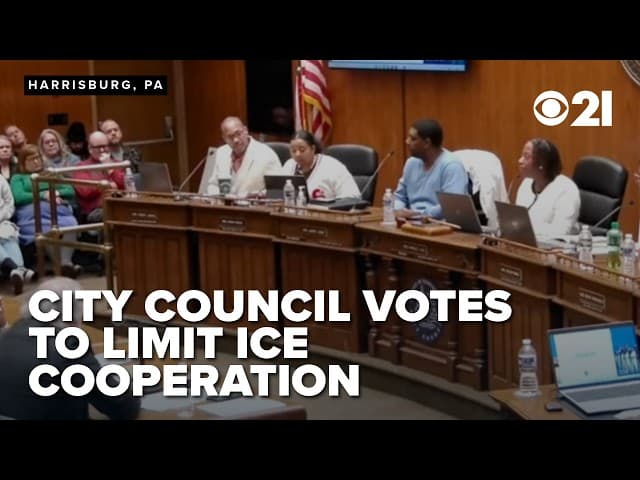
**Worcester** has reaffirmed its stance against using municipal facilities for **ICE enforcement**, safeguarding civil liberties during heightened security concerns. Moreover, joint interagency meetings, such as the **Public Safety & Public Works Meeting (February 18, 2026)**, continue to improve coordination between agencies, infrastructure planning, and emergency protocols.
## Infrastructure Upgrades and Regional Planning for Climate Resilience
To combat the mounting impacts of climate change, the region has undertaken extensive infrastructure projects:
- **Storm-resistant boardwalks** at **Harrison Park** and **Weaver’s Creek** now incorporate **storm-resilient materials** and **elevated designs** to withstand rising sea levels.
- The **Hirsch Road Bridge** has been upgraded with **enhanced drainage systems** designed to prevent flooding during heavy storms.
- Improvements to **stormwater infrastructure** in **Wiarton** now optimize runoff management, significantly reducing urban flooding.
- The **North Avenue Signals and Safety Project** in **Pittsburgh** introduces **smart traffic signals** and **pedestrian crossings**, facilitating efficient evacuations and easing congestion.
- The **$12 million Alamo Public Safety Building** now functions as a **centralized emergency coordination hub**, significantly enhancing interagency communication and response times.
**Energy resilience** also remains a focus, with ongoing reviews of **Tenaska Power Plant** in **Fluvanna** to balance environmental sustainability with regional power needs. These efforts aim to ensure **reliable energy supply** during climate emergencies, supporting economic stability and reducing outage risks.
## Recent Developments: Enhancing Utility and Maritime Preparedness
A notable recent development involves **Liberty Utilities’** communication improvements. The utility company has **expanded its communication network**, including **upgraded outage alerts** and **more transparent reporting** during emergencies. They also issued a **detailed letter** outlining their strategies for maintaining service reliability and customer engagement, especially during severe weather.
Furthermore, the **marine safety unit** has been expanded with new vessels and specialized training, reinforcing the region’s maritime emergency response capacity. This enhancement ensures rapid deployment in response to maritime accidents, pollution incidents, or security threats along key waterways.
## Current Status and Future Outlook
The region’s **integrated approach**—combining **advanced technology**, **resilient infrastructure**, **community engagement**, and **inclusive policy measures**—has markedly improved its capacity to confront climate-related challenges. These efforts have not only minimized risks but also fostered a culture of **preparedness and adaptability**.
Looking ahead, sustained investments in **smart systems**, **drone and marine deployment**, and **public safety programs** are critical to maintain momentum. Emphasizing **community participation**, **civil liberties protections**, and **regional cooperation** will be vital in navigating an increasingly volatile climate landscape.
### Implications for the Region:
- Continued funding and innovation in emergency response technology and infrastructure upgrades.
- Strengthening mental health and support services for affected populations.
- Ensuring transparency and accountability in surveillance and data use.
- Enhancing regional cooperation in energy, maritime safety, and environmental planning.
Through these concerted efforts, the region exemplifies a **resilient, forward-looking model**—ready to face the ongoing challenges of climate change with agility, responsibility, and community partnership.