# Escalating Proxy, Terror, and Cyber Threats Tied to Iran: A Multi-Domain Shadow War Deepens
The shadow conflict involving Iran has entered a new, more aggressive phase, spanning multiple operational domains—proxy militias, cyber warfare, maritime confrontations, and information operations. Recent developments reveal a deliberate escalation strategy by Tehran, triggered by the assassination of a senior Iranian cleric, which has set off a cascade of retaliatory and covert actions aimed at exerting strategic pressure, destabilizing opponents, and testing the resilience of regional and global actors. This complex, multi-layered conflict underscores the high risk of miscalculation and broadening instability in the Middle East and beyond.
## The Catalyst: Assassination of a Senior Iranian Cleric Sparks a Multi-Domain Response
The assassination of an influential Iranian cleric served as a critical trigger, prompting Iran to mobilize a highly coordinated, multi-domain response. Instead of engaging in open conventional warfare, Tehran has employed asymmetric tactics—leveraging proxy militias, cyber operations, maritime provocations, and disinformation campaigns—to escalate tensions while maintaining ambiguity. These actions aim to increase strategic pressure, destabilize adversaries, and avoid direct, full-scale conflict.
## Key Domains of Escalation
### Proxy and Terrorist Activities in Iraq and the Middle East
Since the cleric’s killing, Iran-backed militias and proxy groups have intensified their operations:
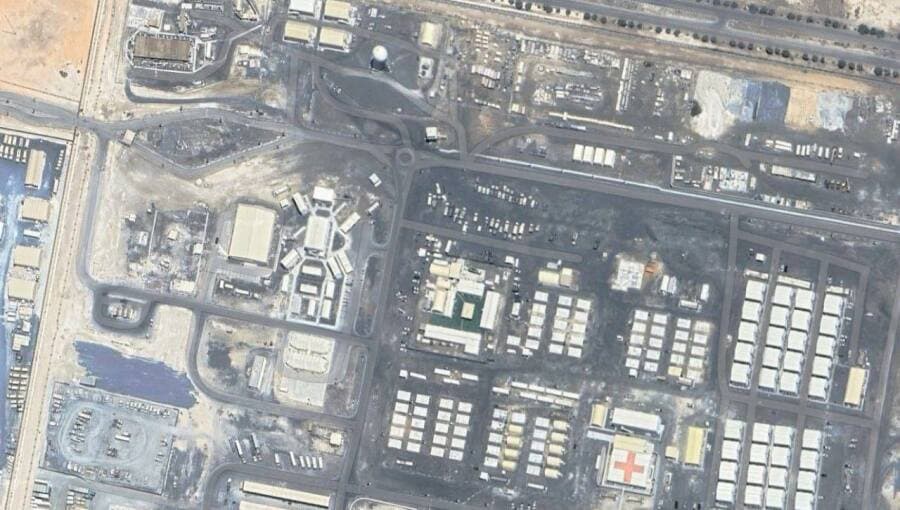
- **Drone Strikes:** The frequency and sophistication of drone incursions targeting U.S. military bases and intelligence assets have surged. Iran’s precision drone strikes aim to disrupt reconnaissance and command centers, severely hampering intelligence-gathering efforts. A Pentagon official recently remarked, *“Iran’s targeting of our reconnaissance and intelligence assets hampers our situational awareness and complicates defense planning.”* Reports indicate multiple U.S. military communication systems have gone dark during these attacks, illustrating Iran’s cyber-physical operational fusion.
- **IEDs and Missile Attacks:** Coordinated roadside bombings and missile strikes have become more prevalent, often retaliating against Western or Israeli actions or perceived threats. These attacks serve to destabilize the region, damage critical infrastructure, and weaken opposing forces, with the overarching goal of regional destabilization and attrition.
- **Attacks on Israeli Interests:** Iranian proxies have increased assaults targeting Israeli assets across Lebanon, Syria, and Gaza, raising the risk of a broader regional conflict involving multiple state and non-state actors.
- **Diplomatic Facility Attacks:** Recent assaults on the U.S. embassy in Baghdad, carried out by Iranian-linked militant groups, threaten diplomatic personnel and further complicate U.S. efforts to stabilize the region.
### Cyber Warfare and Space Operations
Iran’s cyber domain remains a pivotal front in this shadow war:
- **Cyber Disruptions:** Recent cyberattacks have caused outages in U.S. government and military networks, disrupting communications and operational capabilities. Iranian cyber units have sought to infiltrate sensitive military and intelligence systems, aiming to impair operational effectiveness during critical moments.
- **Disinformation Campaigns:** Iranian-linked groups have escalated efforts in disinformation, including website defacements, false narratives, and psychological operations designed to sow discord within Western and regional societies. These campaigns aim to undermine trust, destabilize political processes, and influence public opinion.
- **Space and Electromagnetic Operations:** Intelligence reports suggest the U.S. military is increasingly engaging in space-based operations to jam or spoof Iranian satellite communications. Such measures aim to degrade Iran’s military communication networks and limit their operational scope.
- **Emerging AI Deployment:** Iran has been integrating military AI systems to enhance operational effectiveness. However, **experts warn of reliability and accountability concerns**, noting autonomous or semi-autonomous systems may malfunction or make unpredictable decisions, raising risks of unintended escalation.
### Maritime and Kinetic Escalations in the Persian Gulf
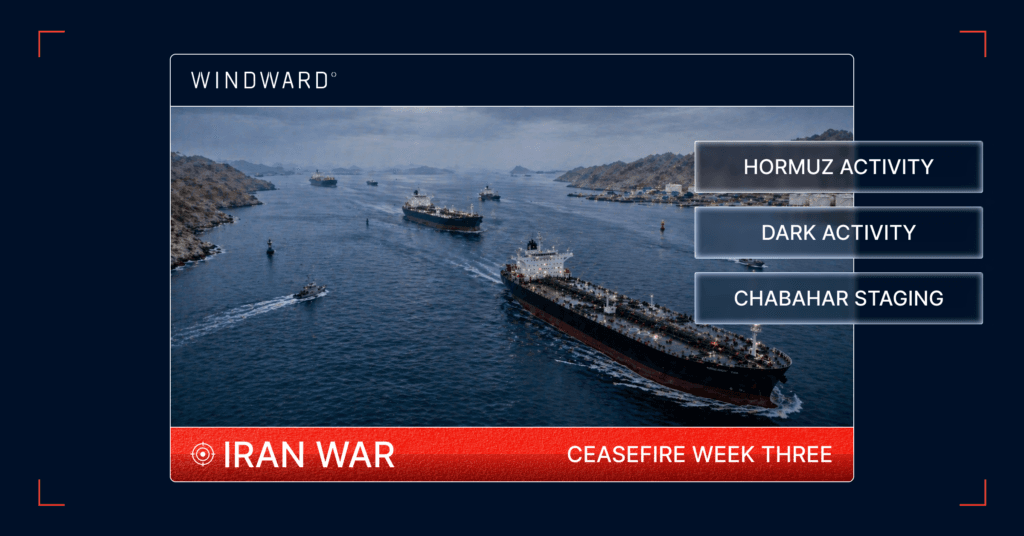
The Strait of Hormuz remains a focal point of increasing maritime tension:
- **Naval Clashes:** In March 2026, Iran destroyed the IRIS Haj, a Shahid Soleimani-class missile catamaran, during a naval engagement with U.S. forces, exemplifying the rising intensity of maritime confrontations. Iran reports successful anti-ship missile tests capable of threatening U.S. and allied vessels, further raising the stakes.
- **Threats to Shipping and Oil Infrastructure:** Iran has explicitly threatened to attack oil facilities and disrupt shipping lanes, especially around Kharg Island—a vital hub for Iran’s oil exports. Following U.S. military strikes on Kharg Island, escalation threats have intensified, risking economic and energy security.
- **Advanced Capabilities:** Iran’s anti-ship missile systems are now capable of targeting large naval vessels and commercial ships, raising concerns over potential disruptions to global oil supplies. Any interference in the Strait of Hormuz could trigger significant oil price spikes and economic instability worldwide.
### Major Strike Campaigns and Recent Developments
The conflict has seen an escalation in kinetic operations:
- **Extensive Targeting:** The U.S. and Israel have reportedly conducted large-scale strikes against Iranian military infrastructure, with estimates indicating **up to 15,000 targets** have been engaged recently—some reports describe these as the “heaviest bombing yet.” These strikes aim to weaken Iran’s military and nuclear-related capabilities but risk provoking further retaliation.
- **Kharg Island and Naval Incidents:** The destruction of the IRIS Haj and extensive damage to Kharg Island’s military facilities highlight the intensification of maritime and strategic confrontations.
- **Satellite and Communications Disruption:** Reports suggest Iran’s satellite communications are being jammed or spoofed by U.S. military operations, impairing Iran’s ability to coordinate military efforts and gather intelligence effectively.
### Recent Developments and Expert Analyses
Adding to the urgency, recent reports and videos provide vivid insights:
- A **YouTube video titled “Heaviest Bombing Yet: US & Israel Hit 15,000 Targets in Iran War”** emphasizes the scope of recent kinetic operations, signaling a shift toward more aggressive engagement.
- **Reuters confirms** that over 90 Iranian military targets on Kharg Island have been struck, causing significant damage to strategic infrastructure. This not only hampers Iran’s military capacity but threatens its oil exports, risking global economic repercussions.
- An **expert analysis**, such as in the video “Inside Iran’s War Playbook,” explains Iran’s strategic approach: leveraging asymmetric tactics, emphasizing plausible deniability, and employing hybrid warfare to stretch opponents’ resources and patience.
- Recent claims and reports highlight a **missile attack involving the USS Lincoln**, with Iran asserting that the vessel was forced to retreat after being hit—though U.S. officials deny this, underscoring the ongoing information war.
- U.S. military movements, including **amphibious assault ships heading toward West Asia**, signal preparedness for potential escalation or regional contingencies.
- Scenario planning suggests Iran may pursue further **cyber-physical attacks** or attempt to seize strategic maritime assets, escalating the conflict to a broader regional or even global level.
## Implications and Current Status
The convergence of proxy violence, cyberattacks, maritime provocations, and kinetic strikes has created a highly volatile environment:
- **Attribution Challenges:** Iran’s hybrid tactics—often involving proxies, false flag operations, and cyberattacks—complicate attribution efforts, increasing the risk of misjudgment and unintended escalation.
- **High Risk of Miscalculation:** The interconnected nature of cyber, maritime, and kinetic operations raises the likelihood of accidental conflict. For example, cyber disruptions coinciding with naval clashes could trigger unintended military responses, spiraling toward wider war.
- **International Response Needed:** The global community must focus on strengthening cyber defenses, maritime security cooperation, intelligence sharing, and diplomatic engagement to de-escalate tensions and prevent miscalculations.
- **Regional Spillover Risks:** Iran’s expanding proxy network and military activities threaten to spill over into neighboring regions, notably the Horn of Africa, where Iran-backed groups are increasingly active. Such expansion could destabilize broader Middle Eastern and North African dynamics, inviting involvement from regional powers like Turkey and Gulf Cooperation Council states, further risking a wider conflict.
- **Friction with Turkey:** Iran’s activities intersect with Turkey’s strategic interests, with recent tensions raising the possibility of direct confrontations or proxy clashes, adding another layer of complexity.
## **Current Status and Future Outlook**
Iran’s multi-domain escalation strategy—spanning proxy violence, cyberattacks, maritime provocations, and large-scale military strikes—reflects a calculated effort to exert maximum pressure while avoiding full-scale war. Recent incidents, including the attack on the U.S. embassy in Baghdad, extensive strikes on Kharg Island, and reports of satellite communication jamming, underscore a trend toward heightened conflict.
**The situation remains highly volatile:**
- The destruction of over 90 targets on Kharg Island and the recent large-scale strikes demonstrate Iran’s intent to degrade its military infrastructure proactively.
- The risk of miscalculation persists, particularly given the rapid, interconnected cyber and kinetic operations. Small incidents could escalate unexpectedly, leading to broader regional conflict.
- The international community’s response must be multifaceted: bolstering cyber resilience, securing maritime routes, enhancing intelligence cooperation, and pursuing diplomatic avenues to de-escalate.
- Iran’s ongoing development of military AI systems and expansion of proxy networks amplify the dangers of unintended escalation and regional destabilization. Vigilance, strategic patience, and multilateral coordination are vital to prevent this shadow war from spiraling into a larger, more destructive conflict.
---
As Iran continues to deploy hybrid tactics—blending proxy warfare, cyber operations, and kinetic strikes—the potential for rapid escalation remains high. The present moment demands a concerted effort among global powers and regional stakeholders to prevent missteps, stabilize the situation, and avoid a full-scale war rooted in a complex web of covert and overt hostilities.