# The 2026 US–Israel–Iran Conflict: Escalation into a Regional and Global Crisis
The year 2026 has emerged as a critical turning point in Middle Eastern geopolitics, with the ongoing US–Israel–Iran conflict rapidly escalating into a complex, multi-domain confrontation that threatens regional stability and global economic security. This conflict extends far beyond traditional military engagements, encompassing cyber warfare, space operations, maritime threats, autonomous weapon systems, and information warfare—all driven by rapid technological advancements and strategic calculations. Recent developments highlight Iran’s resilience, the increasing sophistication of offensive capabilities, and the profound risks of wider escalation.
## Key Developments and Escalation Timeline
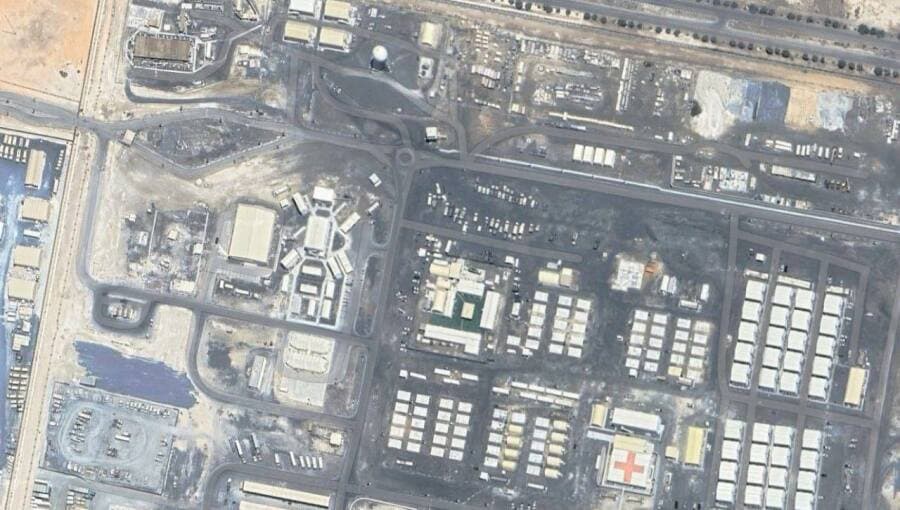
The crisis reached a pivotal moment on **February 28, 2026**, when the United States and Israel launched **precision strikes** targeting Iran’s nuclear facilities, military command centers, and missile launch sites. These strikes aimed to dismantle Iran’s nuclear ambitions and degrade its military infrastructure. Iran responded forcefully with **massive missile barrages** directed at U.S. military bases across the Persian Gulf, Iraq, and Saudi Arabia, resulting in casualties and infrastructural damage. This retaliation underscored Iran’s capability for asymmetrical warfare and its willingness to escalate the conflict.
### Cyber and Space Domains
Iran swiftly amplified its **cyber campaigns**, targeting military communications, civilian infrastructure, and intelligence systems. Recent reports indicate that Iranian cyber units have **crippled key sensors and communications nodes**, disrupting command and control capabilities and exposing vulnerabilities in Western military networks. Notably, Iran claims to operate **space-based reconnaissance systems**, leveraging **Chinese-designed 'Space Eye' satellites** to obtain real-time intelligence on military movements. Such ISR (Intelligence, Surveillance, Reconnaissance) assets have enabled Iran to carry out **more precise and targeted strikes**, significantly complicating Western responses and increasing the risk of miscalculations.
### Advanced Weapons Systems
Iran has announced the deployment of **hypersonic missiles** capable of penetrating modern missile defenses, marking a significant leap in its military capabilities. These weapons have been used in recent attacks against Israel, Saudi Arabia, and U.S. bases, sharply raising regional insecurity. The Iranian military also continues to employ **drones and ballistic missiles**—both ballistic and cruise—that target Israeli territory, Saudi oil facilities, and U.S. military installations.
Furthermore, Iran has integrated **Artificial Intelligence (AI)** into its arsenal, deploying **autonomous drone swarms** and **AI-guided missile systems**. Experts warn that **faulty AI algorithms** could lead to unintended escalation, civilian casualties, or misdirected strikes—adding a dangerous layer of unpredictability to military operations.
## Maritime Tensions and Energy Security Threats
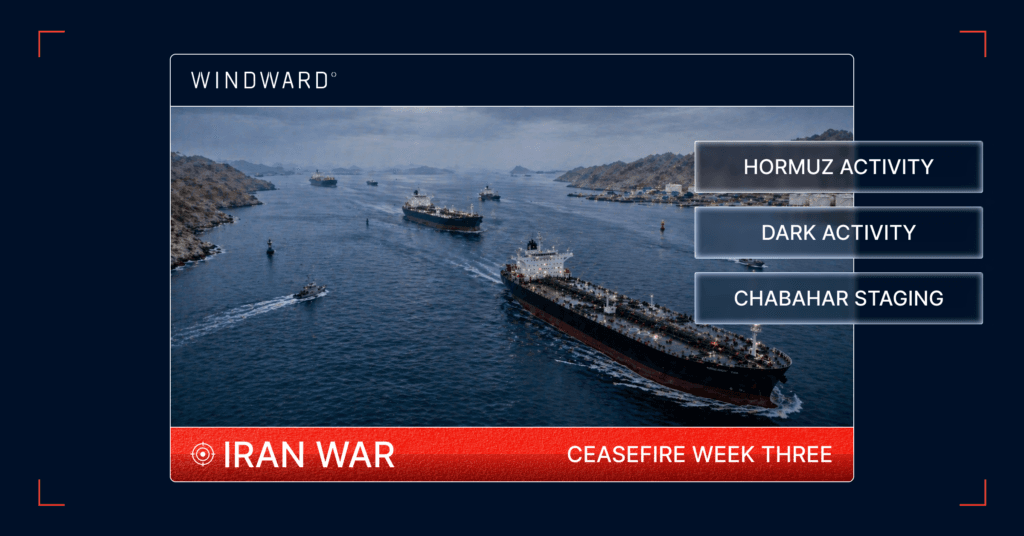
Maritime confrontations remain a central concern, especially in the **Strait of Hormuz**, through which roughly **20% of global oil shipments** transit. Iran’s naval forces, supported by proxy militias such as the IRGC Navy and Yemen’s Houthis, have intensified efforts to **interdict shipping lanes** using **drone swarms, fast-attack boats, and mines**. These tactics threaten to **blockade the strait**, risking a **global energy crisis** with severe economic repercussions.
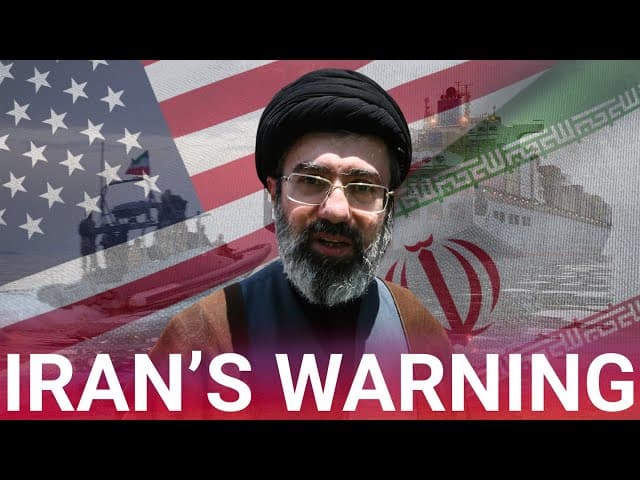
A recent significant event was the **attack on Kharg Island**, Iran’s primary oil export hub. The United States conducted a targeted strike aimed at disabling Iran’s oil infrastructure, prompting Iranian threats of retaliatory attacks on **oil facilities across the region**. Iran's leadership explicitly **threatened to retaliate against U.S. and Israeli energy targets**, emphasizing the strategic importance of oil infrastructure as leverage in the conflict.
The **potential closure of the Strait of Hormuz** has alarmed international stakeholders. Analysts warn that such an action could **ignite a broader conflict involving oil-producing nations**, causing price shocks and destabilizing global markets, with long-lasting economic impacts.
## Regional Spillover and Proxy Conflicts
The conflict’s scope extends beyond Iran’s borders, with the potential for regional expansion:
- **Iraq and Yemen**: Iran-backed militias in Iraq have increased **attacks on U.S. military positions**, risking a broader sectarian conflict. In Yemen, the Houthis have launched **drones and ballistic missiles** at Saudi Arabia and the UAE, extending the conflict into the Arabian Peninsula.
- **Lebanon and Syria**: Hezbollah continues to escalate **missile and drone attacks** against northern Israel, raising fears of a wider Israeli-Lebanese war. Meanwhile, Iranian-backed militias in Syria have intensified **attacks on Israeli-held positions and U.S. bases**, further destabilizing the region.
- **Horn of Africa**: Iran is actively considering expanding its influence into the Horn of Africa, leveraging proxy groups and maritime assets to destabilize the region. Reports suggest Tehran is evaluating operations with militias in Somalia and Ethiopia, which could further threaten global shipping and regional security.
## Information Warfare and Media Signaling
Both sides are increasingly engaging in **media and propaganda campaigns** to influence perceptions and morale:
- The U.S. military has released **video footage** showcasing strikes on Iranian logistics, radar sites, and missile depots, emphasizing its offensive capabilities.
- Iran has circulated footage of a **massive ballistic missile barrage** against Israeli and U.S. targets, aiming to project strength and resilience amid mounting pressure.
- Iran’s **attacks on civilian infrastructure**, including power grids and transportation hubs, exemplify its adoption of **hybrid warfare**—blurring the line between military and civilian targets to sow chaos and undermine morale.
### Space and Cyber Operations
Recent actions include **US military efforts to jam or spoof Iran’s satellite communications**, disrupting Iran’s ISR capabilities. Reports indicate that the U.S. has **successfully degraded Iran’s space-based reconnaissance** using **advanced electronic warfare techniques**, limiting Iran’s ability to gather real-time battlefield intelligence. These operations demonstrate a shift toward **space domain dominance**, adding new layers of complexity to the conflict.
## New Technologies and Military Capabilities
The conflict has become a showcase for **cutting-edge military technology**:
- The **use of US-supplied advanced weaponry**, including **long-range precision-guided munitions** and **electronic warfare systems**, has played a pivotal role in recent strikes.
- The deployment of **AI-guided missile systems** and **autonomous drone swarms**—a first in regional conflicts—raises questions about **reliability, control, and escalation risks**.
- A recent video titled *"US Weapons Used in the Iran War | New Military Tech Revealed"* highlights the rapid technological evolution, emphasizing how **AI and autonomous systems** are transforming modern warfare and making conflicts more unpredictable.
## Strategic Implications and Future Scenarios
The evolving landscape presents multiple pathways forward:
- **Diplomatic Resolution**: Despite mounting tensions, international actors continue efforts through the UN and other multilateral forums to seek de-escalation. However, **deep mistrust, strategic rivalries, and hardline stances** make negotiations challenging.
- **Prolonged Asymmetric Warfare**: The conflict could settle into a **low-intensity, multi-domain proxy war**, characterized by cyber skirmishes, maritime harassment, and targeted strikes—paralleling Cold War proxy dynamics.
- **Regional and Global War**: The risk of **miscalculation or accidental escalation** remains high, potentially igniting a **full-scale regional war** involving neighboring countries, Turkey, and even broader powers like Russia or China.
- **Internal Regime Stability**: Iran’s internal situation is strained by economic hardships and military setbacks, which could either lead to **diplomatic concessions** or **regime change efforts**—altering the conflict’s trajectory.
### **Current Status and Global Impact**
As of now, the **conflict shows no signs of de-escalation**. Iran’s **adaptive tactics—cyber warfare, hypersonic missiles, autonomous drones, and proxy networks—indicate a long-term engagement** rather than a quick resolution. The international community remains deeply concerned about **miscalculations, escalation into wider regional or global conflict, and disruptions to global energy markets**.
The **attack on Kharg Island, the threats to oil infrastructure**, and Iran’s deployment of **AI-enabled autonomous weapons** underscore the **evolving nature of modern warfare**. These developments raise urgent questions about **international norms, control, and accountability** in deploying AI and autonomous systems.
## Key Takeaways and Outlook
- The conflict underscores the **interconnectedness of kinetic, cyber, space, and informational domains**, making escalation highly unpredictable and potentially catastrophic.
- **Global energy markets** remain highly vulnerable; any disruption of the Strait of Hormuz could trigger **price shocks and economic instability** worldwide.
- The **fragile regional stability** is further compromised by **non-state actors** acting with increasing autonomy, complicating military and diplomatic responses.
- The **risk of accidental escalation** remains significant, emphasizing the need for **confidence-building measures, dialogue, and strategic restraint**.
**In conclusion**, the 2026 crisis is fundamentally transforming the security landscape of the Middle East and beyond. While military and technological advances have intensified the conflict, **diplomatic efforts** remain the most viable path to prevent further escalation. The coming weeks will be crucial in determining whether the conflict spirals further out of control or begins a fragile process of de-escalation—though the road ahead remains perilous. The global community must remain vigilant and committed to diplomatic solutions to avoid a catastrophic expansion of this already multifaceted crisis.