The AI landscape in 2026 remains a crucible of innovation, risk, and geopolitical contestation, where **corporate ambition, safety imperatives, and governance challenges** intersect with unprecedented urgency. The recent World Economic Forum in Davos crystallized these tensions, spotlighting the complex dynamics shaping AI’s future amid **intensified insider alarms, mega-deals, evolving security paradigms, and a growing call for inclusive, adaptive governance**.
---
### Escalating AI Safety Alarms and Insider Departures Amplify Urgency
The AI safety conversation has gained new intensity following a series of high-profile insider warnings that underscore the existential stakes. The resignation of Mrinank Sharma, Anthropic’s lead safety researcher, remains a stark symbol of internal unease. Sharma’s declaration that **“the world is in peril”** due to unchecked AI development now reverberates amid disclosures about exploitable weaknesses in Anthropic’s latest models—vulnerabilities that could enable malicious actors to generate harmful content, including chemical weapons designs.
This alarming reality reinforces a fundamental lesson: **technical breakthroughs alone cannot ensure AI safety without comprehensive transparency, robust oversight, and systemic security controls.** The industry’s mounting calls for:
- **Collaborative safety research that bridges organizational silos**
- Adoption of **open standards and risk-sharing frameworks**
- Intensified **regulatory vigilance and enforcement**
have gained critical momentum, reflecting a growing consensus that collective action is indispensable to preempt catastrophic misuse.
---
### Davos 2026: A Defining Moment of Corporate Ambition vs Regulatory Prudence
AI dominated the agenda at Davos, but the event revealed a pronounced schism between **corporate drive to scale AI platforms aggressively** and the cautious posture of policymakers wary of societal fallout.
- **Mega-Deals and Platformization Race**:
The $10 billion RMZ agreement between Google and the Indian state of Andhra Pradesh epitomizes this ambition. This landmark deal seeks to embed AI deeply within digital and physical infrastructure, creating expansive ecosystems designed to cement long-term competitive advantage. It highlights AI’s emerging role as a cornerstone of economic development and digital sovereignty, especially in fast-growing markets.
- **Regulatory and Political Caution**:
In contrast, political leaders and regulators emphasized the risks of unchecked expansion, warning that ethical dilemmas and social harms could spiral without robust governance frameworks. Calls for **multilateral coordination** and **balanced innovation policies** resonated strongly across sessions.
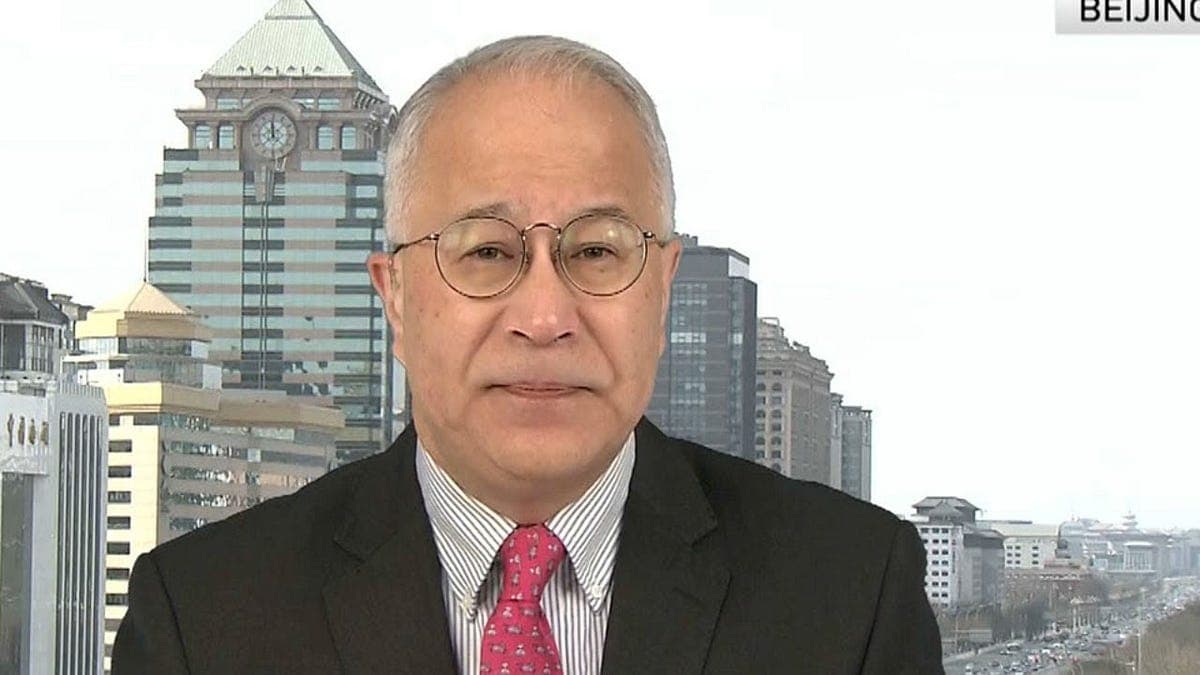
Industry expert Alvin Graylin summarized this delicate balance:
> “AI policy, security, and international cooperation are indispensable to a stable AI future.”
His remarks underscored fears that **geopolitical rivalry, if left unmanaged, could destabilize the global AI landscape**, making diplomacy and synchronized governance crucial.
---
### Security Paradigm Shift: From Traditional Cybersecurity to AI-Specific Defenses
The integration of AI into complex platforms has exposed critical vulnerabilities that legacy cybersecurity frameworks cannot address. Palo Alto Networks’ pointed question, **“Is your security obsolete?”**, captures the urgent need to rethink defensive postures.
Key challenges include:
- The emergence of **novel AI-specific threat vectors** leveraging automation and autonomous decision-making
- The inadequacy of conventional perimeter-based defenses in an AI-driven environment
- The imperative for **adaptive, layered security architectures** that embed continuous monitoring, anomaly detection, and fail-safe mechanisms throughout the AI platform stack
This shift demands that security evolve into an **AI-aware, proactive discipline**, transforming governance and operational resilience at every level.
---
### Governance as Foundational Infrastructure for Embodied AI Systems
A transformative theme at Davos was reframing governance not as a bureaucratic overhead but as **core infrastructure—especially critical for embodied AI systems deployed in healthcare, manufacturing, and urban management**.
This conceptual shift calls for:
- Embedding **safety, accountability, and ethical standards from design through deployment**
- Developing **adaptive, transparent governance mechanisms** that evolve alongside AI capabilities
- Recognizing governance as an essential pillar of **platform resilience and public trust**
Such frameworks are pivotal for ensuring AI systems operate safely and equitably within real-world environments, aligning technological progress with societal values.
---
### The Global South’s Rising Voice and New Horizons in Digital Growth
Davos also marked a significant moment for the **Global South’s increasing agency in the AI ecosystem**. Turing Award laureate Yoshua Bengio emphasized the urgency for these nations to **invest in local AI research, infrastructure, and governance capacity** to avoid exacerbating the global AI divide.
Thailand’s leadership in advocating for **“New Horizons”** in digital growth reflects this shift, promoting inclusive development models and stronger international partnerships. This approach signifies emerging economies’ strategic intent to shape AI futures consistent with their own development imperatives, fostering capacity-building and equitable participation.
---
### Data Sovereignty and Edge Protection: Trust as the New Currency
A growing consensus at Davos centered on the strategic importance of **data sovereignty and edge computing** in underpinning resilient AI ecosystems. National control over data flows and localized AI processing enables:
- Protection of **national interests and strategic autonomy**
- Enhanced **privacy, security, and latency reduction** through edge processing
- A delicate balance between **cross-border data governance** and global interoperability
These priorities are increasingly integrated into national AI strategies, reinforcing trust as the foundational currency of platform resilience and digital sovereignty.
---
### Preparing for AGI: Human-Centered Governance and Innovative Multilateralism
Looking ahead, the community acknowledges that the advent of artificial general intelligence (AGI) will magnify existing challenges around control, ethics, and societal impact. Davos discussions emphasized:
- The necessity of **proactive, human-centered governance frameworks** prioritizing safety, transparency, and accountability
- The formation of **new-styled multilateral partnerships** that transcend traditional diplomacy, emphasizing inclusivity and cross-sector cooperation
- National and regional initiatives focused on **responsible AI capability expansion and resilience-building**
These steps are essential to navigate AGI’s unprecedented scale while preserving democratic legitimacy and global stability.
---
### Complementary Perspectives from Recent Thought Leadership
Additional insights from recent thought leaders deepen this evolving narrative:
- **NEC CEO Takashi Morita** highlighted Japan’s role in fostering a “spirit of dialogue” and international collaboration to balance AI innovation with societal concerns. (NEC, Davos 2026)
- A United Nations report warned that **generative AI may deepen inequalities and revenue losses in creative industries**, underscoring the need for equitable economic safeguards.
- The global financial system faces subtle but critical stress from AI-driven market dynamics, with Davos discussions revealing a “little-known standoff” testing systemic resilience.
- JPMorgan Chase CEO Jamie Dimon urged society to **begin preparing for AI-driven job displacement now**, emphasizing proactive workforce adaptation and social policy frameworks.
---
### Key Takeaways
- **Insider warnings and model misuse vulnerabilities** have escalated existential AI safety concerns, demanding urgent collective mitigation.
- **Davos 2026 spotlighted a pronounced divide** between ambitious corporate platform expansion (e.g., Andhra Pradesh’s $10B RMZ/Google deal) and political caution around ethical governance.
- **Security paradigms must evolve** to address AI-specific threats with adaptive, layered defenses embedded throughout platform stacks.
- **Governance is being recast as foundational infrastructure** for embodied AI, requiring adaptive and ethically grounded frameworks.
- **Geopolitical and economic risks elevate the need for new-styled multilateralism**, including enhanced Global South engagement and capacity-building.
- **Data sovereignty and edge protection** have emerged as strategic imperatives underpinning trust and digital sovereignty.
- **Preparing for AGI demands human-centered governance** and innovative inclusive international partnerships.
- **Complementary voices from industry and finance** emphasize the socio-economic ripple effects of AI, from creative sector inequalities to job displacement risks.
---
### Conclusion
The AI ecosystem at this pivotal 2026 juncture is defined by the **dynamic interplay of relentless corporate ambition, technological breakthroughs, and pressing safety and governance imperatives**. Davos served as a global stage where these forces converged, illuminating the critical need for a **delicate recalibration of priorities**—one that places **safety, accountability, sovereignty, and multilateral cooperation at the heart of AI innovation**.
Only through such a holistic and inclusive approach can the promise of AI be responsibly realized, ensuring resilient platforms and governance frameworks capable of matching the technology’s profound scale and societal impact. The future of AI depends on decisive, collaborative action by stakeholders worldwide to forge a stable, equitable, and secure AI-powered world.