# Acquisitions and Geopolitical Shifts Reshape the Global Beverage and Premium Tea Markets in 2026
The landscape of the global beverage industry in 2026 continues to evolve at a rapid pace, driven by monumental mergers, regional strategic moves, geopolitical tensions, and an unwavering shift toward sustainability and innovation. Industry giants are aggressively consolidating to bolster market dominance, diversify their portfolios, and cater to an increasingly health-conscious, premium-seeking consumer base. Simultaneously, supply chain disruptions, climatic adversities, and geopolitical conflicts are compelling companies to rethink sourcing strategies and operational resilience—setting the stage for a complex environment characterized by cautious optimism and strategic agility.
---
## Major Consolidation Nears Completion: Keurig Dr Pepper’s $18 Billion Acquisition of JDE Peet’s
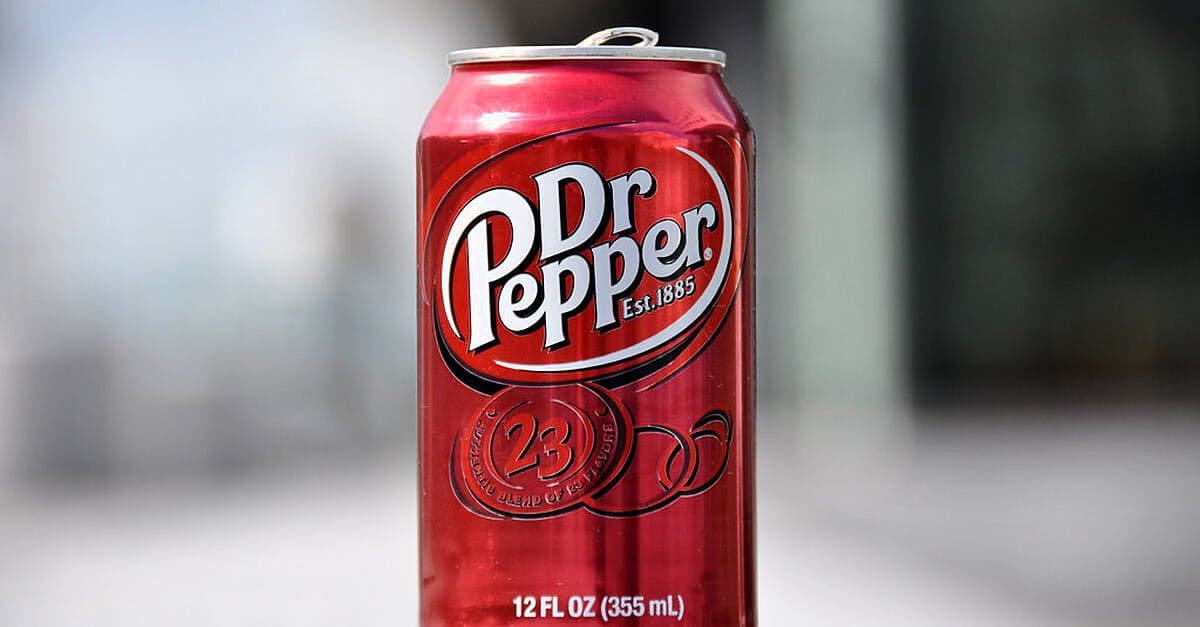
One of the most significant developments of 2026 is the **anticipated completion of Keurig Dr Pepper’s (KDP) $18 billion acquisition of JDE Peet’s**, first announced in August 2025. Expected to finalize by April 2026, this merger is poised to **reshape the global beverage industry** by creating a **massive, integrated powerhouse** with extensive reach across North America, Europe, and emerging markets.
This strategic alliance aims to **combine JDE’s extensive portfolio of premium coffee, tea, and wellness beverages** with KDP’s **robust distribution network**, enabling the combined entity to **accelerate innovation, premiumization, and consumer-centric offerings**. Industry analysts consider this a **game-changer**, setting **new standards for health-focused and functional beverages** and consolidating market influence.
Supporting this momentum, **KDP secured an additional $1.5 billion in funding**, demonstrating strong investor confidence and a clear commitment to **market leadership amid ongoing industry consolidation**. Meanwhile, **JDE Peet’s** continues to leverage its **premium segments**, aligning with the global surge in demand for **authentic, high-quality beverages**.
### Strategic Implications
The merger is expected to:
- **Expand global reach** into new markets and demographics
- **Accelerate innovation** in health, wellness, and functional drinks
- **Strengthen competitive positioning** against regional and niche players
This consolidation exemplifies a broader industry trend toward **integrated, consumer-focused portfolios** emphasizing **premiumization**, **sustainability**, and **digital transformation**. The combined entity aims to leverage **digital platforms** to foster direct-to-consumer engagement, further fortifying its market position.
---
## Profitability and Supply Chain Challenges: Ongoing Industry Volatility
Despite optimistic merger prospects, several segments continue to face **profitability pressures** and **supply chain disruptions** that threaten growth trajectories.
### Profit Warnings and Margin Pressures
- **Limuru Tea**, a major Kenyan producer, issued a **profit warning early 2026**, citing **volatile global prices**, **rising input costs**, and **climatic challenges** that are expected to **dampen earnings**. This underscores the **margin compression** faced by growers amid supply disturbances and inflationary pressures.
- **ITO EN**, Japan’s leading tea company, reported **sales of ¥495 billion (approximately US$3.7 billion)** for FY 2026, a **4.7% YoY increase**. However, **net losses** and **lowered profit forecasts** highlight **margin squeeze** driven by **rising raw material costs, currency fluctuations, and increased marketing expenses**.
### Climatic and Labor-Related Disruptions
- The **premium tea sector**, notably **matcha in Japan** and **high-end Indian teas**, is grappling with **supply constraints** caused by **climatic stresses** such as droughts and temperature anomalies. For instance, **demand for Japanese matcha surged by 98% in 2025**, reaching **¥72.1 billion (US$463 million)**, but **supply shortages and price hikes** threaten to limit further growth.
- **Indian high-end teas** from regions like **Munnar and Nilgiris** are impacted by **climatic damages**. Producers are actively **adopting climate-smart agriculture**, forging **long-term sourcing agreements**, and leveraging **technological innovations** to stabilize supply.
- **Labor costs** are rising sharply in **Assam**, where wages may **reach up to ₹350 per day**. To counter wage inflation while maintaining quality, many companies are investing in **automation** and **sustainable farming practices**.
### Market Dynamics at Auction
Recent data from **Coonoor auctions** reveal **more unsold leaf teas** due to **subdued export demand**, reflecting **market saturation and global economic uncertainties**. As per reports titled *"More leaf teas unsold at Coonoor auctions on subdued export demand"*, the slowdown has led to **rising inventories**, exerting **downward pressure on prices** and further squeezing producers’ margins.
---
## Regional Asset Moves, Divestments, and Strategic Focus
Beyond mergers, companies are actively executing **regional acquisitions and divestments** to optimize their portfolios and seize emerging opportunities:
- **Varun Beverages**** completed its acquisition of **Twizza**, a South African soda brand favored for its local flavors and youthful appeal. This move aims to **capitalize on Africa’s rapid urbanization** and **expand operational efficiencies** in a high-growth market.
- **Maase Inc.** acquired **Oriental Grove**, a heritage artisanal tea brand, for **$62.4 million**, emphasizing **craftsmanship, provenance, and authenticity**—aligning with consumer trends toward **premium, artisanal products**.
- **Unilever**, as supported by its **2025 Annual Report**, divested **SariWangi** to **Savoria Kreasi Rasa**, signaling a strategic retreat from some mainstream markets to **focus on premium segments** and **empower regional firms** with flavor innovation.
- **Fresh Del Monte** expanded its portfolio by acquiring **Joyba**, a Japanese-style craft tea brand renowned for its health-focused, artisanal appeal, leveraging existing distribution channels to **expand its footprint in the premium tea space**.
### Focus on China and Japan
- **China’s Impression Dahongpao Co., Ltd.** benefits from **government support** to **expand capacity** and **enhance quality standards** within the **luxury tea segment**, aligning with China’s **long-term vision** to **lead global high-end tea markets** through **heritage, craftsmanship, and innovation**.
- **Japan’s matcha and green tea exports** continue to grow, driven by **culinary innovation and health trends**. Industry leaders are emphasizing **diversifying sourcing regions** and **investing in sustainable cultivation** to meet **global demand** while **mitigating supply risks**.
---
## Geopolitical Risks: Kenya’s Tea Exports Under Threat Amid Iran War
A **major geopolitical development** is the **escalation of the Iran war**, which significantly impacts **Kenya’s tea exports**. Kenya, a **leading global tea exporter**, faces **disruption of key trade routes and logistics**, especially affecting shipments to Middle Eastern and Asian markets.
Trade disruptions are likely to cause **supply shortages** and **price volatility**, adversely impacting **farmers’ revenues** and **global market stability**. Experts warn that **prolonged conflict** could **strain supply chains**, **increase shipping costs**, and **dampen export volumes**.
In response, **Kenya’s government and industry stakeholders** are exploring **alternative logistics routes** and **diversifying export markets**. However, recent **shipping disruptions** and **maritime security concerns** complicate trade flows. As highlighted by **Chinadaily.com.cn**, the ongoing conflict **disrupts shipping lanes**, exacerbating supply chain vulnerabilities and prompting companies to seek **more resilient, diversified logistics solutions**.
---
## Embracing Sustainability and Innovation: Building Resilience
In response to climatic and geopolitical risks, companies are increasingly investing in **sustainability initiatives** and **technological innovations** to strengthen their supply chains:
- **Climate-smart agriculture** practices are becoming standard, with **long-term sourcing agreements** and **innovative cultivation techniques**. For example, **Oriental Rise Holdings Limited** has partnered with **Shandong Yiyang Zhongji New Energy** to implement **agro-photovoltaic systems** in tea plantations, blending **solar energy generation** with **agricultural productivity**.
- Such **agro-photovoltaic projects** not only **reduce carbon footprints** but also **maximize land use**, providing **renewable energy** and **sustainable farming environments**—crucial for **building resilience against climate variability**.
- These initiatives are vital for **ensuring supply stability** in premium tea and beverage sectors, especially as climatic and geopolitical risks intensify.
---
## Financial and Corporate Updates: Results and Strategic Actions
Recent financial disclosures reflect **mixed but generally positive trends**:
- **Asian Tea Expo** reported **net sales of Rs 8.23 crore (around US$1 million)** in December 2025, a **135.48% YoY increase**, driven by **market expansion and premium offerings**.
- **Tea Life Co.** posted **Y160 million (~US$1.2 million)** in net income in H1 2026, a slight decline from **Y172 million**, reflecting **ongoing market variability and cost pressures**.
**Corporate strategies** are increasingly focused on:
- **Innovation**: Developing **health-centric**, **traceable**, and **premium products**.
- **Sustainability**: Investing in **climate-smart agriculture**, **ethical sourcing**, and **carbon reduction initiatives**.
- **Supply Chain Diversification**: Broadening sourcing regions and **building resilient logistics networks** to counter geopolitical and climatic risks.
- **Risk Management**: Addressing **geopolitical uncertainties**, such as the **Kenya-Iran conflict**, through **market diversification** and **flexible supply agreements**.
Notably, **Green Tea Group Limited** has scheduled a **board meeting for 23 March 2026** to **approve their 2025 annual results** and **consider dividend payments**, signaling confidence in their financial stability and growth prospects.
---
## **Conclusion: Transformation Amidst Risks**
2026 stands out as a transformative year for the global beverage and premium tea markets. The **KDP-JDE merger** exemplifies industry consolidation aimed at **driving innovation and market dominance**, while **regional asset moves and divestments** reflect strategic positioning for future growth.
However, **geopolitical risks**, especially **the Iran conflict’s impact on Kenya’s exports**, alongside **climatic and supply chain challenges**, underscore the importance of **resilience through technological innovation, sustainable practices, and diversified sourcing**.
Companies that **embrace these strategies**, focusing on **premiumization, sustainability, and agility**, will be best positioned to **capitalize on emerging opportunities** and **navigate ongoing uncertainties**. As consumer preferences increasingly favor **authentic, health-oriented, and premium products**, industry success will depend on the ability to **adapt swiftly**, **manage risks proactively**, and **innovate continuously** in this rapidly evolving landscape.