# Acquisitions and Strategic Movements Reshape the Global Beverage and Premium Tea Markets in 2026
The global beverage industry continues to experience rapid transformation driven by a wave of strategic mergers, acquisitions, regional realignments, and evolving consumer preferences. As companies aim to capture growth in premium, authentic, and wellness-oriented products, industry consolidation accelerates, and regional focuses become more pronounced. Recent developments in early 2026 underscore these trends, highlighting a resilient, innovation-driven, and sustainability-conscious market landscape.
---
## Continued M&A Activity Driving Industry Consolidation
### Keurig Dr Pepper’s $18 Billion Acquisition of JDE Peet’s Nears Completion
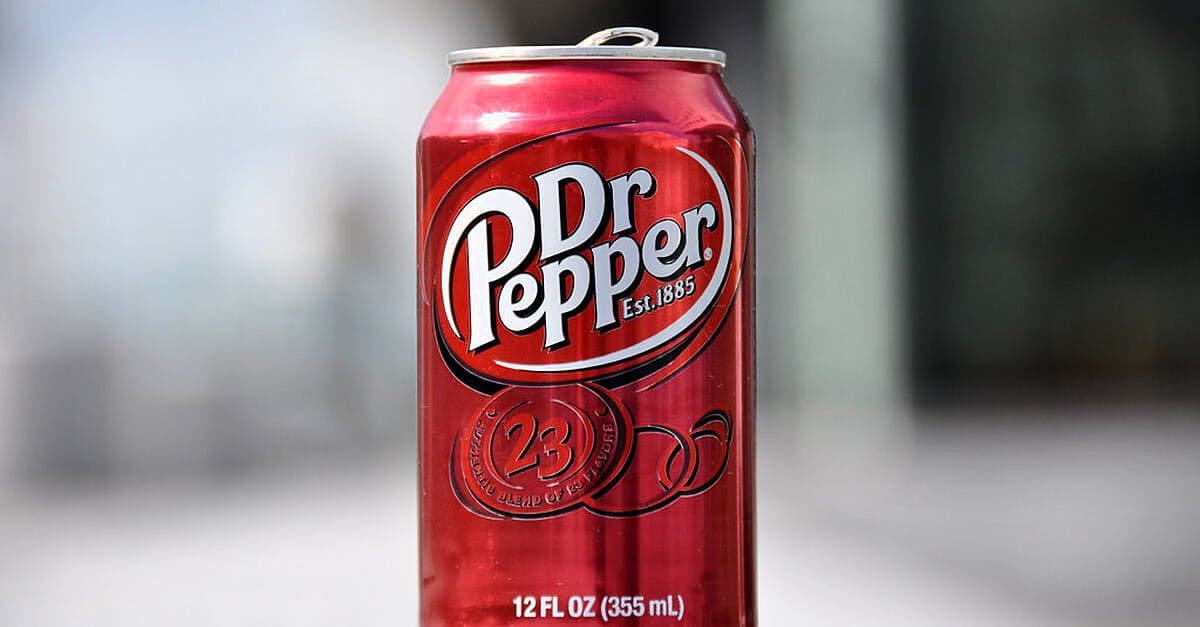
One of the most significant recent developments is **Keurig Dr Pepper’s (KDP) ongoing acquisition of JDE Peet’s**, valued at approximately **$18 billion**. Announced in August 2025, this deal is **on track to close by April 2026**, and is poised to create a **global coffee powerhouse**. The merger aims to combine JDE’s extensive portfolio of premium coffee, tea, and wellness beverages with KDP’s widespread distribution network, enabling a **broader reach across North America, Europe, and emerging markets**.
Industry analysts view this as a pivotal move that will **reshape competitive dynamics** in the global coffee and tea sectors, allowing the combined entity to **leverage economies of scale** and **accelerate innovation** in premium and functional beverages. The deal also signals investor confidence in the long-term growth potential of **premiumization and wellness-focused products**.
### Strategic Investments and Funding Reinforce Industry Resilience
Supporting this consolidation wave, **Keurig Dr Pepper’s recent funding inflow of $1.5 billion** exemplifies industry confidence and strategic positioning. Similarly, **JDE Peet’s**, despite its recent divestitures, remains focused on **core markets and premium segments**, aiming to capitalize on the rising consumer demand for high-quality, authentic beverages.
---
## Sector Stress and Market Volatility: Profit Warnings and Supply Challenges
### Limuru Tea’s Profit Warning Highlights Margin Pressures
In a noteworthy development, **Limuru Tea**, a listed Kenyan tea grower, issued a **profit warning** to shareholders, citing **significant earnings downturns** expected in early 2026. The company attributed this decline to **volatile global prices**, **rising production costs**, and **climatic challenges** affecting yields. Such warnings underscore the **profitability pressures faced by listed growers**, especially as **margin compression** becomes a common theme amidst supply chain disruptions.
### Supply and Price Volatility in Premium and Specialty Teas
The **supply-side constraints** remain acute for premium teas such as **matcha** and **high-end Indian varieties**. In Japan, **demand for matcha surged by 98% in 2025**, reaching **72.1 billion yen (approximately US$463 million)**, driven by health trends, culinary innovation, and export growth. However, **climatic stresses**—including droughts, aging plantations, and temperature fluctuations—have caused **significant shortages**, leading to **price spikes** and **market volatility**.
Similarly, **India’s premium tea segment** faces a **dual challenge**: **oversupply of bulk teas** depressing prices, while **high-end provenance teas** see **shortages and rising costs** due to climate-induced damages. Frosts and unpredictable weather in regions like Munnar and Nilgiris have damaged prized plantations, prompting producers to adopt **climate-smart agriculture**, **long-term sourcing agreements**, and **technological innovations** to mitigate risks.
### Rising Wages and Cost Pressures
In Assam and other high-labor-cost regions, **wage hikes for tea garden workers**—potentially rising to **₹300-₹350 per day**—pose additional **cost pressures** on producers. While aimed at improving livelihoods, these increases threaten to **raise operational costs**, especially for **premium segment producers**. Many are investing in **mechanization and sustainable farming practices** to **offset wage inflation** and maintain **profitability**.
---
## Sector Strategies: Focus on Provenance, Wellness, and Retail Expansion
### Premiumization and Regional Asset Realignments
Strategic acquisitions and divestitures continue to shape the industry:
- **Varun Beverages**** completed its acquisition of **Twizza**, a South African soda brand appreciated for its local flavors and youth appeal, marking a major regional expansion in Africa. This move enhances **operational efficiencies** and positions Varun to tap into Africa’s **urbanizing, youthful consumer base**.
- **Maase Inc.**’s **US$62.4 million acquisition of Oriental Grove**, a heritage-driven artisanal tea brand, reflects a commitment to **craftsmanship, provenance, and authentic storytelling**. This aligns with North American and European consumers’ increasing preference for **transparency, health-consciousness, and cultural authenticity**.
- **Unilever’s divestment of SariWangi** to **Savoria Kreasi Rasa** demonstrates a strategic refocus on **core premium markets**, while empowering regional firms to **drive innovation and cater to local tastes**.
- **Fresh Del Monte’s acquisition of Joyba**, a Japanese-style craft tea brand known for its health and artisanal qualities, signals a **wellness-oriented diversification** that leverages **existing distribution channels** and **brand credibility** to compete in high-margin, health-centric premium teas.
### Investment in China and Japan’s High-End Tea Markets
Chinese companies like **Impression Dahongpao Co., Ltd.**, supported by government policies, are **expanding capacity** and **elevating quality standards** in Chinese luxury teas. These efforts are part of China’s **long-term strategy to dominate the global high-end tea segment**, emphasizing **heritage, craftsmanship, and innovation**.
Meanwhile, **Japan’s matcha and green tea exports** continue to surge, driven by **culinary innovation** and **health trends**. Industry insiders emphasize the importance of **diversifying sourcing regions** and **investing in sustainable cultivation** to meet **growing global demand** while **mitigating supply risks**.
---
## Supply Chain and Market Outlook: Trends and Challenges
### Continued Premiumization and Consumer Shift
The **RTD tea segment** remains a **growth engine**, with brands like **Fuze Tea** consolidating leadership through product innovation—such as **functional benefits** (vitamins, adaptogens) and **premium packaging**—catering to **convenience** and **health-conscious** consumers worldwide.
### Market Volatility and Supply Constraints
Despite robust demand, **climatic stresses** and **aging plantations** threaten **long-term supply stability**. Japan’s **matcha shortages** exemplify this, with **prices rising sharply** due to **climate-related damage**. Industry leaders emphasize the need for **diversifying sourcing regions**, **investing in sustainable agriculture**, and **embracing technological innovations** to ensure **market resilience**.
### Rising Costs and Labor Challenges
The ongoing **wage hikes** in key Indian and Kenyan tea regions may **increase operational costs**, potentially translating into **higher prices for premium teas**. Producers are increasingly adopting **climate-smart practices** and **automation** to **balance quality and cost**, ensuring **competitive positioning**.
---
## Current Status and Future Directions
The industry is navigating a **complex landscape** characterized by **robust M&A activity**, **regional asset realignments**, **supply constraints**, and **consumer-driven premiumization**. The recent mega-deal between **Keurig Dr Pepper and JDE Peet’s** exemplifies the **consolidation trend**, while **profit warnings from growers like Limuru** highlight **market volatility**.
**Strategic investments in provenance, sustainability, and retail expansion** demonstrate a **long-term industry focus** on **trust, authenticity, and wellness**. Companies that **embrace innovation**, **diversify supply chains**, and **respond proactively to climate and cost pressures** will be best positioned to **capitalize on growth opportunities**.
In sum, the **global beverage and premium tea markets** are at a **pivotal juncture**—driven by **strategic M&A**, **consumer demand for authentic experiences**, and **sustainable practices**. The coming years will determine how well industry players adapt to these dynamics and sustain their growth in an increasingly sophisticated and conscientious market.
---
**Key Data Point Recap:**
**Japan’s matcha demand surged 98% in 2025**, reaching **US$463 million**, underscoring Japan’s rising role as a **leader in high-quality green teas**. Addressing **climatic and supply challenges** remains critical to maintaining this momentum.
---
**The future of the beverage and premium tea industries hinges on a blend of strategic consolidation, authentic storytelling, sustainability investments, and technological innovation—elements that will define winners in this evolving landscape.**