# The Iran Conflict’s Evolving Geopolitical Frontiers: A Multipolar Crisis Reshaping Global Power Dynamics
The Iran conflict, initially perceived as a regional dispute, has rapidly expanded into a complex, multi-domain crisis that is redefining global security architectures. Recent developments underscore a profound shift toward a multipolar world order, with regional and global powers actively shaping the trajectory of this conflict through strategic alliances, military posturing, hybrid warfare tactics, and diplomatic maneuvers. The involvement of Russia, China, Middle Eastern states, and other actors has transformed the theater into a sprawling arena of competition, destabilization, and potential escalation.
## A Multipolar Power Play: Russia, China, and the International Arena
**Russia’s** posture remains assertively supportive of Iran, emphasizing strategic messaging to Washington. Moscow has issued **stern warnings** to the United States, warning against further military interventions and asserting that any escalation could lead to wider regional instability. This is coupled with tangible military support—ranging from weapons supplies and intelligence-sharing to the deployment of naval assets aimed at controlling key maritime corridors. As one expert noted, **"Russia’s involvement signifies a clear attempt to challenge Western dominance in the Middle East and expand its influence through proxy engagements."**
Meanwhile, **China** adopts a more nuanced diplomatic stance. While condemning U.S.-Israeli military strikes, Beijing emphasizes **regional stability** and advocates for dialogue. Its efforts are reflected in ongoing initiatives like the Belt and Road, which aim to expand Chinese influence and secure economic interests amid the chaos. Recent intelligence suggests China is increasing its naval presence in the Red Sea and Gulf of Aden, positioning itself as a stabilizing regional actor while quietly expanding strategic footholds.
**Retired generals** analyzing the current military landscape highlight a **fundamental shift**: the biggest strategic change is not merely battlefield movements but the **erosion of Western influence** and the rise of a **multipolar control** over key trade and strategic routes. Their assessments indicate Iran is adopting more **hybrid tactics**, including maritime attacks, cyber sabotage, and proxy operations, to offset conventional military disadvantages.
## Regional Actors’ Postures and Strategic Moves
**Gulf states**—including Saudi Arabia, the United Arab Emirates, and Qatar—are recalibrating their security postures. While some maintain diplomatic engagement with Iran, they are simultaneously **bolstering missile defenses**, increasing military readiness, and seeking new alliances. Qatar’s recent diplomatic outreach aims to mediate regional tensions, but its strategic posture remains vigilant.
**India**, with its strategic interest in safeguarding maritime trade routes, has ramped up **maritime patrols** and **naval deployments** across the Indian Ocean, especially near the Red Sea and Strait of Hormuz. As one expert notes, **“India is positioning itself as a key stakeholder in regional stability, aiming to secure its energy imports and maintain freedom of navigation.”**
**Pakistan**, under increased scrutiny, faces questions about its role. While Pakistan officially maintains neutrality, intelligence reports and regional analysts suggest it could be influenced by Iran and regional dynamics, especially considering rising tensions in South Asia.
## The Red Sea and Sudan: New Epicenters of Geopolitical Contestation
A **noteworthy development** is the escalation of instability in the **Red Sea and Sudan**, which have become pivotal theaters in this broader conflict. Sudan’s ongoing civil unrest, factional fighting, and foreign involvement have created a **fertile ground for proxy battles**, with regional and extra-regional powers vying for influence over the strategic **choke points** of the Red Sea.
The region witnesses **increased naval activity**:
- **Iranian-backed militias** operating along the coast,
- **Gulf Cooperation Council (GCC)** naval vessels patrolling vital shipping lanes,
- **Russian and Chinese vessels** expanding their presence under the guise of safeguarding strategic interests.
This proliferation heightens risks of **maritime clashes, piracy, and supply chain disruptions**, threatening the security of energy shipments critical to Europe, Asia, and Africa.
### Hybrid Warfare and Operational Threats
Iran’s tactics have grown increasingly **sophisticated and hybrid**, including:
- **Maritime attacks and sabotage** on oil tankers and infrastructure,
- **Cyberattacks** targeting financial, water, and communications systems,
- **Proxy operations** supporting insurgent groups and militias in Sudan and beyond.
A recent **video analysis** from retired military strategists emphasizes that **"Iran’s hybrid tactics are designed to destabilize the region while avoiding full-scale conventional conflict,"** complicating security responses.
## Domestic Signaling and Messaging: Iran’s Internal Dynamics
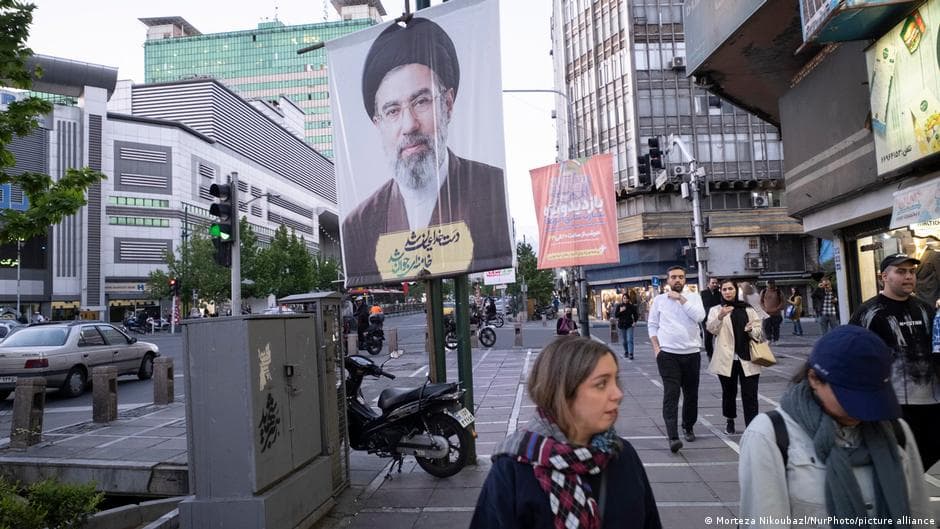
Iran’s leadership is also engaging in strategic domestic signaling to bolster legitimacy amid ongoing conflict. Notably, **Iran’s new Supreme Leader, Mojtaba Khamenei**, launched a **verified social media account** on X (formerly Twitter), signaling a push to control messaging, mobilize domestic support, and project strength internationally. The move is seen as an effort to **strengthen internal cohesion** and demonstrate resilience, especially as Iran faces external pressure and internal unrest.
## Policy Implications and Future Outlook
The current landscape demands **urgent, coordinated international responses**:
- **Maritime security** must be reinforced through multinational patrols, intelligence-sharing, and legal frameworks to prevent clashes.
- **Cyber resilience** needs enhancement, especially in critical infrastructure, to withstand increasing cyberattacks.
- **Diplomatic engagement** remains crucial to de-escalate tensions, foster dialogue, and manage proxy conflicts before they spill into broader warfare.
Regional states should also **modernize missile defense systems**, prepare contingency plans for supply disruptions, and deepen diplomatic efforts to prevent further escalation.
**Current Status and Outlook**:
The conflict remains **highly fluid**, with the Red Sea and Sudan emerging as **new epicenters of regional tension**. The involvement of Russia, China, and other regional actors confirms a **multipolar contest** that complicates prospects for quick resolution. The coming weeks will be decisive; success hinges on **diplomatic engagement, confidence-building measures**, and **regional cooperation**.
**In conclusion**, the Iran conflict’s expansion into a **multi-domain, multi-actor crisis** is fundamentally reshaping regional security architectures and challenging the existing international order. The global community must adopt a **nuanced, resilient, and coordinated response** to prevent further destabilization, protect vital economic interests, and avoid a slide into broader regional or global warfare.