# Ensuring Waterway Safety in 2026: Advances, Incidents, and Emerging Trends
As recreational boating and water-based activities continue to surge in popularity during 2026, ensuring the safety of all waterway users remains a top priority. This year has underscored how environmental challenges, technological innovations, and community-driven safety initiatives intertwine to shape safer waterways. From enhanced safety education and navigation awareness to responding to incidents involving fires, ice deterioration, fluctuating water levels, and regional developments, stakeholders are actively working to keep our waterways accessible, enjoyable, and secure for everyone.
## Reinforcing Boating and Ice Safety Education: Building a Culture of Responsibility
**Education remains the cornerstone of water safety.** Recognizing that well-informed water enthusiasts are better equipped to prevent accidents, agencies and communities have expanded outreach through innovative programs:
- **Community Classes & Workshops:**
- In **Vero Beach, Florida**, the Coast Guard Auxiliary Flotilla 56 reported record attendance at its **one-day safety courses**, emphasizing navigation laws, emergency procedures, vessel maintenance, and collision avoidance.
- **Sturgeon Bay, Wisconsin**, continues its weekly sessions at the **Door County Maritime Museum**, focusing on interpreting navigation aids such as buoys, markers, and digital charts—crucial skills in busy or foggy waters.
- **Tennessee waterways** have introduced **boating essentials programs** requiring participants to carry **USCG-approved life jackets**, complete **boating education certificates** (where mandated), and pack **basic toolkits** and **spare parts** to proactively handle mechanical issues.
- **Ohio** offers **winter safety classes** to sustain safety awareness during colder months, ensuring preparedness beyond the traditional peak season.
- **Modern Training Tools:**
- The adoption of **Virtual Reality (VR) simulations** and **interactive online modules** has increased, providing risk-free environments for emergency response practice. These tools are linked to a **notable decline in boating accidents** reported in 2026.
- **Augmented reality (AR) navigation aids** are being piloted on select vessels, offering real-time hazard alerts that significantly enhance situational awareness, especially in foggy or complex waterways.
- **Educational Campaigns & Public Awareness:**
- Campaigns such as **"Misread a Buoy, End Up on the Rocks"** utilize compelling visuals to stress precise navigation—particularly in foggy or congested conditions.
- Social media efforts, amplified by local safety advocates and influencers, have broadened outreach efforts, making safety tips more accessible to diverse audiences.
- In **Marion, Ohio**, the **Harbormaster’s Office** and police departments are offering **free boating safety certification courses** in early spring to prepare enthusiasts before the busy season.
**Winter-specific safety education** has gained importance as ice fishing and cold-weather activities grow. Resources like **"Tip-Up Your Ice Game"** promote responsible gear choices, such as selecting appropriate **jigging rods** for icy conditions, and understanding how to prevent accidents on the ice. The recent **"Ice Fishing Leech Lake 2026"** footage confirms **Leech Lake currently has a solid 32-inch ice layer**, indicating a relatively safe window for winter activities if proper precautions are observed.
Additionally, **boater licensing for personal watercraft (PWC)** has become more widespread, with many regions emphasizing mandatory **boating safety courses** for jet ski operators. The **Boat Ed®** program clarifies that **a license or boater education** is often required to operate jet skis legally, reinforcing responsibility among PWC users.
The **American Boat and Yacht Council (ABYC)** has also seen a rise in **marine standard certifications**, such as the **ABYC Marine Standard Certification**, which many boaters pursue to ensure their vessels meet safety and environmental standards. As discussed in recent videos like **"Is ABYC Marine Standard Certification REALLY Worth It?"**, these certifications help boat owners understand best practices, from fire safety to electrical wiring, further reducing risk on the water.
## Recent Incidents and Emerging Hazards: Lessons Learned and Mitigation Strategies
The year 2026 has highlighted ongoing hazards, prompting authorities and communities to enhance safety measures:
### Boat Fires and Mechanical Failures
- A **fire on Lake Ray Hubbard**, near Dallas, underscored the importance of **regular mechanical inspections** and **fire safety protocols**. Swift responses by fire departments minimized damages, but the incident prompted increased focus on **fire safety inspections** targeting wakeboats and high-powered vessels.
- Boaters are now encouraged to **carry fire extinguishers**, perform **pre-season maintenance**, and follow **manufacturer safety recommendations** diligently. The recent feature **"🔥 I Transformed My Tracker 1236 Into a Fishing Machine!"** showcases upgrades such as engine enhancements and customizations that improve safety and performance.
### Ice Deterioration and Thawing Risks
- **Unpredictable weather patterns**, including **rapid temperature swings**, have accelerated **ice melt** across northern lakes, creating dangerous conditions.
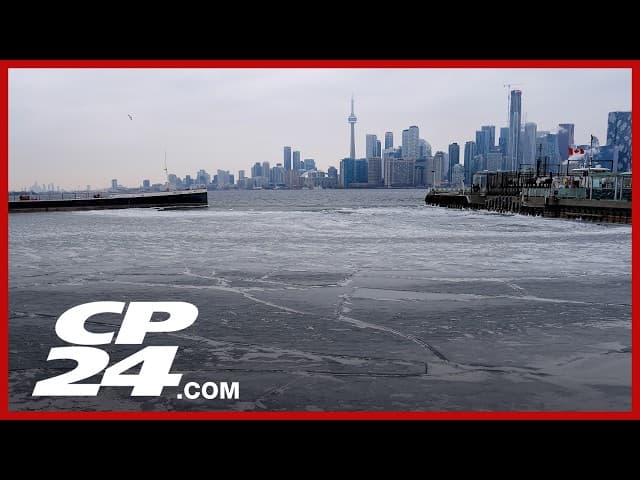
- The **GTA (Greater Toronto Area)** has issued advisories warning residents: **"Emergency officials warn people in the GTA to not go on 'any type of ice' amid shifting temperatures."** These warnings emphasize **the dangers of thin or unstable ice** and urge caution.
- **Local ice reports** like **Bitterroot Lake’s** **5–5.5 inches of ice** as of February 25, 2026, suggest some areas are still safe for ice fishing, provided conditions are verified with recent data.
- The **Wisconsin Merrill Fire Department** emphasizes the importance of **carrying ice picks**, donning **float suits**, and staying current with **real-time weather reports**.
### Water Level Fluctuations and Navigation Challenges
- **Hemlock Lake in Pennsylvania** has undergone a **planned drawdown**, affecting navigation and access temporarily but aiming to improve fish habitat and sediment management. The **"FISH AND BOAT COMMISSION ANNOUNCES DRAWDOWN OF HEMLOCK LAKE"** provides detailed guidance and highlights the importance of staying informed.
- Regions like **Smith Mountain Lake (Virginia)** and **Lake Ellsworth** are experiencing **low-water conditions** due to drought and sediment buildup, complicating navigation. Conversely, **Lake Lure** has benefited from **water conservation efforts**, leading to water level recovery and reopening of previously inaccessible areas.
- At **Canyon Lake, Texas**, **below-normal water levels** continue to pose navigation challenges. Boaters are advised to **stay within marked channels** and **use updated navigation charts** to avoid groundings.
- These fluctuations underscore the importance of **regional water management** and **real-time water level monitoring** for safe navigation.
## Technological and Regulatory Progress: Enhancing Safety and Compliance
Technology continues to revolutionize water safety:
- **Navigation & Communication Devices:**
- Widespread use of **GPS**, **sonar**, and advanced **chartplotters** helps boaters navigate **shallow, foggy, or complex waterways** more confidently.
- The emergence of **smart batteries**, including **Bluetooth-enabled lithium models**, supports reliable power for heaters, lights, and communication devices, reducing clutter and improving safety.
- **Augmented Reality (AR) & Virtual Reality (VR) Training:**
- Select vessels are piloting **AR hazard alert systems**, which provide **real-time notifications** about nearby obstacles or hazards, significantly increasing situational awareness.
- **VR-based safety training modules** are increasingly popular, allowing boaters to rehearse emergency procedures in risk-free environments, contributing to **a noted decline in accidents**.
- **Regulatory Developments:**
- Stricter **inspection protocols** now emphasize **fire safety**, **mechanical integrity**, and **regulatory compliance**.
- Wakeboat regulations have evolved to include **restrictions on wake size**, **speed limits near shorelines**, and **noise ordinances** aimed at **preventing shoreline erosion** and **protecting residents**.
- Increased **patrols and safety inspections** target vessels involved in recent incidents, emphasizing accountability and adherence to safety standards.
## Regional Guidance and Practical Tips
### Tennessee
- **Boating essentials** include **USCG-approved life jackets** for all occupants, with mandatory **boating education certificates** in certain areas.
- Carry **basic toolkits**, **spare props**, and **mechanical repair items** to address issues proactively, especially in remote regions.
- In **Canyon Lake**, **water levels** remain **below normal**, so staying within **marked channels** and **using current navigation charts** is vital.
### Canyon Lake, Texas
- **Low water levels** continue to affect navigation. Boaters should **stick to deeper channels** and **avoid shallow areas** to prevent groundings.
- Always **check recent water level updates** before heading out, as conditions can change rapidly.
### Winter Anglers and Ice Fishermen
- **Ice fishing** remains popular but demands strict safety practices:
- Verify **ice thickness reports**; **Leech Lake’s 32-inch ice** indicates a safe window if conditions are stable.
- Carry **ice picks**, wear **float suits**, and **dress in layered, insulated gear**.
- Use **real-time weather data** and **avoid ice near inlets, outlets, or moving water**.
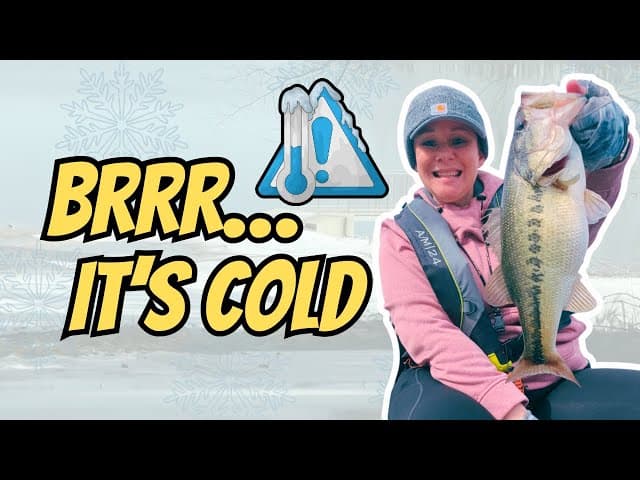
- Practical tips from **"Bass Fishing in Freezing Temperatures"** include **targeting deeper holes**, **using appropriate jigging rods**, and **carrying emergency gear**.
### Burbot Fishing & Community Engagement
- The **burbot craze** has invigorated ice fishing communities, with events like the **Wisconsin Interscholastic Fishing Association** showcasing youth engagement.
- **Burbot**, often called the “lobster of the north,” have become a symbol of responsible cold-water recreation.
- The **"Burbot fishing is the perfect cure for cabin fever"** article highlights how the species’ unique qualities and the thrill of early-season catches motivate enthusiasts, especially youth, to pursue safe, responsible fishing.
## Current Status and Broader Implications
2026 exemplifies a year of resilience and adaptation. Environmental challenges like **ice melt**, **low water levels**, and **mechanical failures** persist but are being met with **technological advances**, **stricter regulations**, and **public education initiatives** that improve safety outcomes.
**Key takeaways for waterway users include:**
- Always **consult real-time advisories** and **weather reports** before venturing out.
- Perform **pre-trip maintenance**, focusing on **engine safety**, **fire suppression**, and **mechanical integrity**.
- Carry **appropriate safety gear**—**fire extinguishers, life jackets, ice picks, float suits**, and **emergency kits**.
- Use **updated navigation tools** and **digital hazard alerts** to enhance situational awareness, especially in challenging conditions.
- Respect environmental conditions—**avoid unsafe ice**, **stay within marked channels**, and **adhere to local regulations**.
### Implications for the Future
The ongoing integration of **advanced safety technologies**, **regional water management**, and **community engagement** signals a promising trajectory toward safer waterways. Authorities, boaters, and communities are increasingly aware of environmental variables and safety protocols, fostering a proactive culture of responsibility.
**In conclusion**, 2026 demonstrates how a comprehensive approach—combining education, technology, and environmental stewardship—can significantly reduce risks and enhance the enjoyment of water activities. By staying informed, prepared, and responsible, water enthusiasts can continue their pursuits while safeguarding aquatic resources and ensuring safety for all.