July 18, 2026
Relationship Psychology Digest · Jul 18, 2026
Attachment Patterns
- Secure Base Contact: The parents and partners people stay closest to provide availability without requiring updates, status...

Created by Silly Point
Evidence-based social psychology insights, practical tips for dating, friendships, family, and work
Explore the latest content tracked by Relationship Psychology Digest
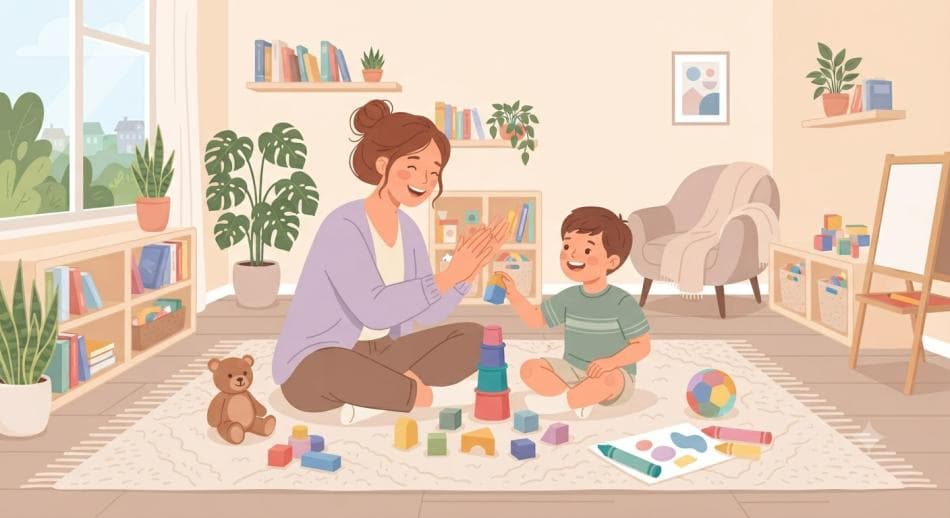
Theraplay uses attachment theory and play to strengthen parent-child bonds by creating healthier interactions and boosting children's sense of...
Build stronger romantic connections with these evidence-based strategies from the first date onward.
Replacing unsolicited fixes with genuine curiosity builds lasting trust across self-relationships, friendships, and family ties.
In a study of 412 young adults, psychological flexibility was positively linked to self-efficacy and negatively linked to loneliness, fully mediating...
ADHD traits like impulsivity and dopamine-seeking heighten vulnerability to toxic partnerships.
New research highlights how friendships deliver unique mental health benefits through social support.
Childhood attachment wounds and narcissistic traits create repeating toxic patterns by wiring the brain toward familiar chaos over healthy...
Four key patterns emerge across recent research on what makes romantic connections thrive:
Attachment styles and emotion regulation significantly influence how couples handle separation, uncertainty, and decisions in long-distance...
No significant updates today.
Post-divorce PDA is rarely revenge or a reckless rebound—it's a desperate limbic intervention after your primary attachment bond shatters. The nervous...
Instead of countering your spouse's position, ask curious questions to uncover hidden fears and dreams.
People drawn to meaningful talks often share distinct personality traits that boost connection and relationship quality.
People with good social skills detect nuances that enhance communication and relationships.