# Major Central Bank Decisions, Inflation Data, and Geopolitical Risks Shape the 2026 Global Interest-Rate Outlook
As 2026 progresses into its second quarter, the global economic landscape remains highly volatile, characterized by diverging monetary policies, escalating geopolitical tensions, and systemic vulnerabilities. Central banks around the world are navigating a complex web of inflation pressures, regional conflicts, resource competition, and technological uncertainties—all of which significantly influence interest-rate trajectories, currency stability, and financial markets.
This evolving environment underscores the importance of strategic agility for policymakers, investors, and businesses seeking to mitigate risks and capitalize on emerging opportunities.
## Diverging Central Bank Strategies: Divergent Paths with Global Implications
The monetary policy landscape this year is marked by notable divergence, reflecting each economy’s specific conditions and geopolitical considerations:
- **United States (Federal Reserve):**
Under **Chair Kevin Warsh**, the Fed remains **hawkish**, actively pursuing interest rate hikes to combat persistent inflation. Recent economic data reinforce this stance:
- The **Producer Price Index (PPI)** for December surged **0.5%**, exceeding expectations and signaling ongoing wholesale inflation pressures.
- The **labor market** continues to show resilience, with **Q3 productivity gains** and a **manufacturing rebound in January** bolstering confidence in sustained economic strength.
**Market sentiment** is divided:
- Many analysts expect **additional rate hikes** to further tame inflation.
- Others suggest a **pause or pivot** if incoming data indicate a slowdown or signs of inflation easing, especially as global uncertainties mount.
> *An analyst remarked, “Warsh’s hawkish rhetoric supports further tightening, but the Fed remains cautious, proceeding incrementally based on evolving data.”*
- **Bank of Japan (BOJ):**
The BOJ continues with its **ultra-loose monetary policy**, aiming to **stabilize the yen** and **support export-driven growth**. Despite **core inflation** remaining **below the 2% target**, the BOJ resists tightening, prioritizing **deflation prevention** amid **weak domestic demand** and external uncertainties.
- **Bank of Canada (BoC):**
After **pausing rate hikes** due to **global turbulence** and **high household debt levels**, the BoC maintains a **wait-and-see stance**. Recent surveys show **cautious consumer sentiment** and a slowdown in borrowing, prompting the Bank to **monitor external risks** before resuming normalization.
- **European Central Bank (ECB):**
The ECB pursues **gradual tightening** to address inflation, which remains **above 2%**. Internal disagreements among policymakers about the pace and extent of hikes highlight concerns about **over-tightening** potentially stifling economic growth in the eurozone.
- **People’s Bank of China (PBOC):**
The PBOC continues **strategic restraint**, avoiding easing measures for over eight months amid **weak demand**, **property sector crises**, and **fragile recovery prospects**. Analysts warn that **fundamental vulnerabilities** suggest a cautious stance emphasizing **stability over rapid stimulus**.
### Implications of Diverging Policies
These **diverging policies** are fundamentally shaping **global interest rates**:
- The **U.S.**’s hawkish approach risks **raising global borrowing costs** if further tightening persists.
- The **BOJ’s** easing continues to suppress Japanese yields, influencing capital flows into and out of Asia.
- The **ECB’s** cautious approach prolongs inflation pressures across Europe.
- The **PBOC’s** restraint may lead to **capital outflows**, but aims to **stabilize China’s fragile economy**.
---
## Geopolitical Hotspots: Instability Fuels Market Volatility and Inflationary Pressures
Regional conflicts and diplomatic tensions remain central to market dynamics, energy prices, and inflation risks:
- **NATO–Russia Tensions:**
Elevated military activity near Eastern Europe, coupled with recent Russian attacks, has heightened fears of **renewed conflict**. Europe is actively pursuing **energy independence** and **military preparedness**, yet the **risk of miscalculations** threatens energy supplies and could trigger **price spikes**.
- **Middle East Instability:**
The reopening of the **Rafah border crossing** with Egypt amid ongoing Gaza tensions, along with a **60-day deadline** for Hamas disarmament, raises concerns about **renewed hostilities**. These conflicts threaten **regional stability** and **energy exports**, potentially causing **oil price surges**. Diplomatic efforts, including initiatives led by **“The Board of Peace”**—an alliance involving figures like former President Donald Trump—seek de-escalation, but uncertainties remain.
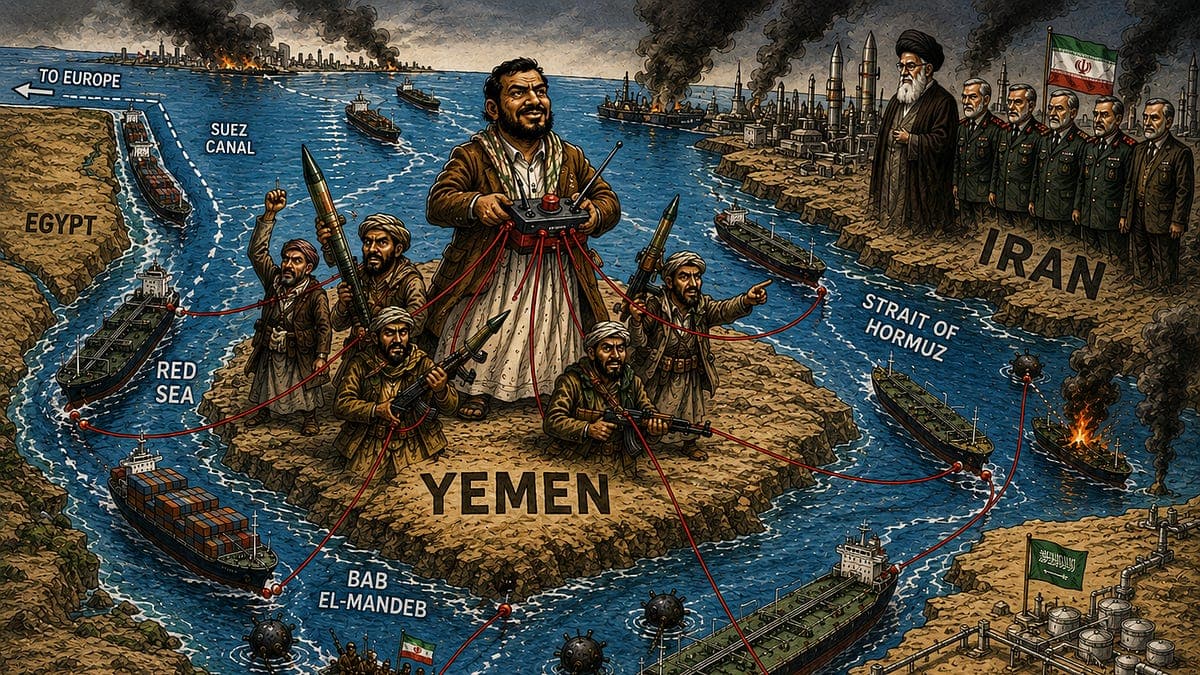
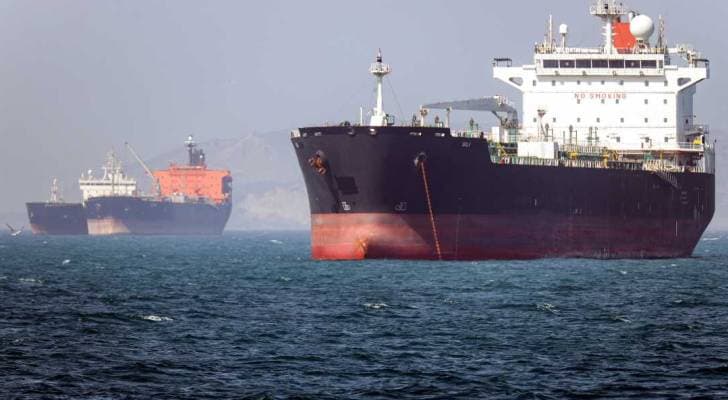
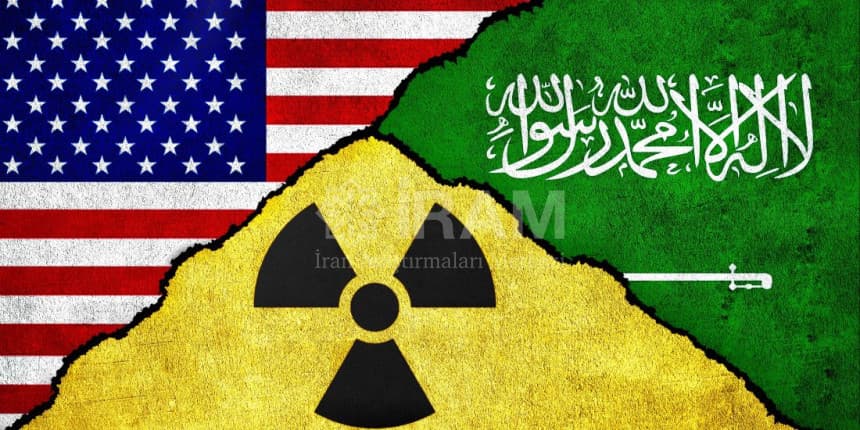
**Iran’s nuclear negotiations** are also strained, with ongoing talks involving the U.S. and Israel. The **Strait of Hormuz**, a critical energy chokepoint, continues to be a **potential flashpoint**, where disruptions could **significantly impact global oil supplies** and inflation.
- **Horn of Africa and Sudan:**
Escalating clashes in Tigrayan districts threaten **regional stability** and **trade routes**, vital for global markets. Ethiopia’s internal violence raises concerns over **supply chain disruptions** and **inflationary pressures**.
> **New sources confirm increasing violence** in Ethiopia, heightening regional destabilization risks.
- **Maritime Security – Red Sea and Yemen:**
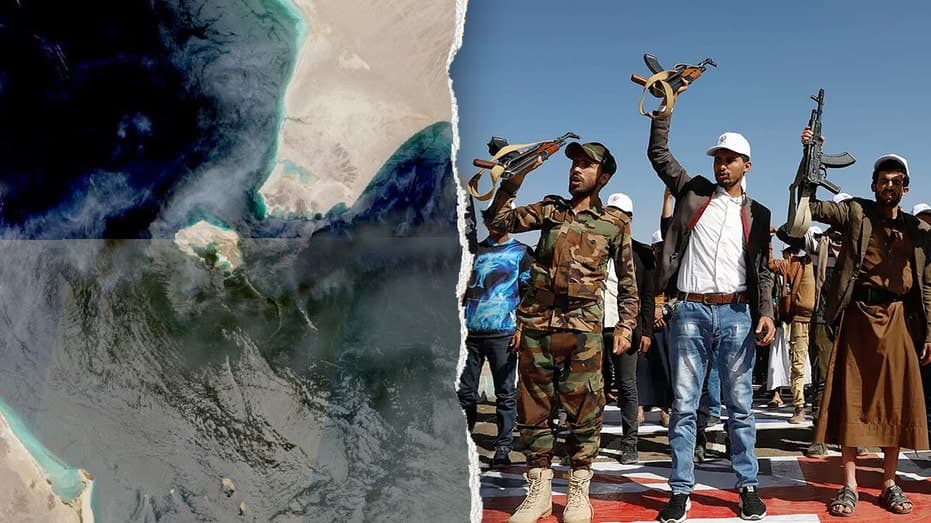
**Houthi rebels** and ongoing Yemen conflicts threaten **Red Sea shipping lanes**, crucial for energy and trade. A recent congressional report warns that **Houthi activities** pose **significant risks** to supply chains, potentially triggering **oil-price surges**.
> *"Yemen’s ongoing conflict could cause disruptions in energy markets,"* states the report, emphasizing inflationary implications.
- **Sudan and Broader Instability:**
Persistent conflict and recent **U.S. sanctions** on **RSF commanders** worsen humanitarian crises, influencing **food and energy markets**.
- **Pakistan–Afghanistan Tensions:**
Cross-border military operations, including **Pakistan’s strikes into Afghanistan**, threaten regional stability and could **spill over into global markets**.
### Impact of Prolonged Conflicts on Military Effectiveness and Supply Chains
Recent analyses highlight that **prolonged conflicts** are **eroding military effectiveness**, with implications for **conflict duration and regional stability**. As conflicts stretch into years, **militaries face logistical challenges, attrition, and diminishing operational capacity**, which can prolong hostilities and increase **uncertainty in energy and commodity markets**.
This **erosion of military effectiveness** potentially extends the duration of conflicts, exacerbating **supply chain disruptions** and **energy market volatility**. Such instability fuels **inflationary pressures**, especially in energy-dependent economies.
---
## Strategic Resource Competition and Arctic Militarization
The race for critical resources intensifies:
- **Critical metals** such as lithium, cobalt, and rare earth elements are increasingly contested, exposing vulnerabilities in **global supply chains**.
- The **Arctic region** has become a strategic focus, with heightened military deployments and resource exploration efforts, raising **disruption risks** to energy and mineral supplies, which influence **commodity prices** and **inflationary pressures**.
In addition, **nuclear energy expansion** driven by geopolitical considerations adds complexity. Recent diplomatic developments indicate that **Russia** is actively promoting **nuclear power infrastructure** worldwide, signaling a **nuclear-energy supercycle**. While nuclear power offers a **low-carbon energy** alternative, it also escalates **proliferation concerns** and geopolitical tensions as nations expand nuclear capabilities.
---
## Technological and Policy Risks: Amplifiers of Systemic Uncertainty
- **Cybersecurity threats** targeting financial institutions, critical infrastructure, and governments are escalating, risking **systemic disruptions**.
- The debate over **digital sovereignty** intensifies, with countries emphasizing **“data-reside sovereignty”**, risking **fragmentation of global digital trade** and **supply networks**.
- Recent **legal shifts**, such as the **U.S. Supreme Court’s ruling on the IEEPA**, are reshaping **sanctions enforcement** and **trade restrictions**, injecting **uncertainty** into **investment flows** and **supply chain resilience**.
---
## New Developments: Escalating Tail Risks and Geopolitical Shifts
### US–Iran Negotiations in Geneva
**Recent updates from CNN** confirm that **US–Iran talks in Geneva** have resumed as of late February 2026. While these negotiations aim to **de-escalate tensions** and **restore the nuclear agreement**, **significant uncertainties** persist:
> *“The US and Iran are engaging in delicate negotiations that could influence regional stability and energy markets,”* analysts warn.
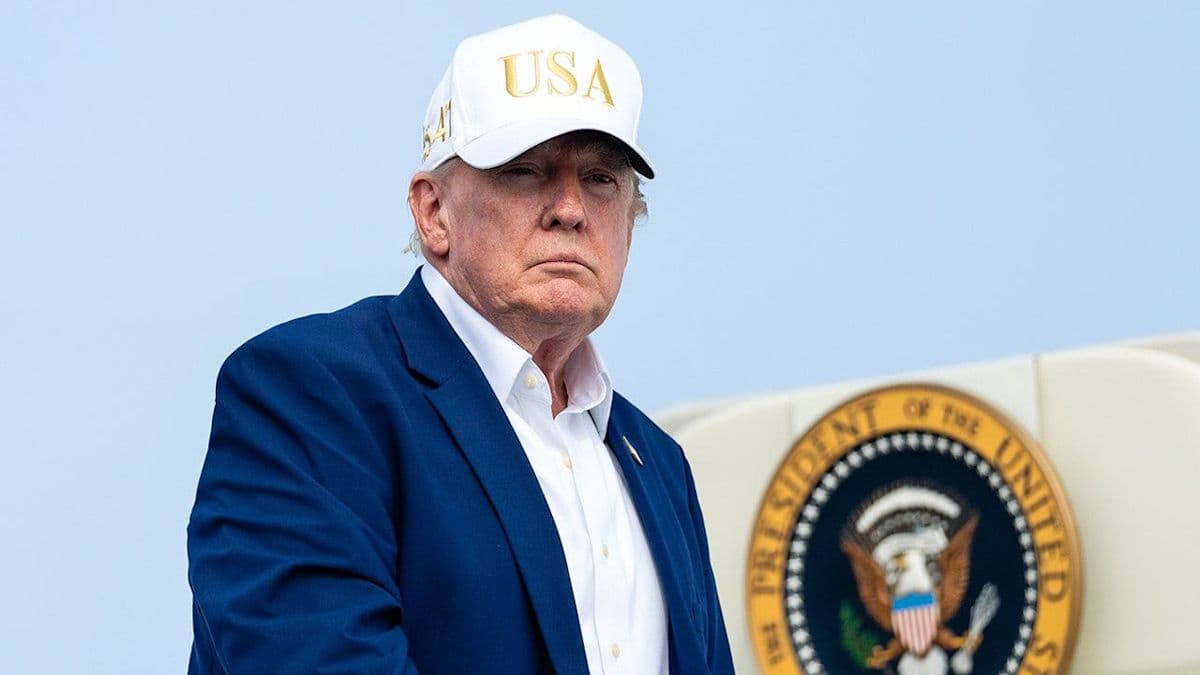
President Trump’s statements emphasize a **diplomatic preference**, but also a **readiness for military action** if Iran’s nuclear pursuits threaten U.S. interests, fueling **near-term tail risks** of **conflict escalation** with profound implications for **global energy supplies** and inflation.
### Diplomatic Shifts in Europe and China
- Reports suggest **Trump’s envoys** are adopting **more confrontational approaches** toward European allies on defense and trade, risking **destabilization of transatlantic cooperation**.
- China’s Foreign Ministry, through **Mao Ning**, reaffirmed commitments to **peaceful development** but acknowledged that **geopolitical tensions** and **resource competition** are intensifying. She warned against **external interference** and **unilateral sanctions**, which could **exacerbate supply chain vulnerabilities**.
### India’s Strategic and Competitive Shift Toward China
A notable development is India’s **strategic realignment** in response to China’s growing influence:
- As detailed in a **Brookings Institution report**, India is increasingly adopting a **competitive posture** toward China, emphasizing **defense spending**, **regional influence**, and **trade diversification**.
- India is strengthening **military alliances** with the U.S. and other partners, aiming to **counterbalance China’s expanding footprint** in South Asia and the Indo-Pacific.
- This **regional geopolitical realignment** poses implications for **trade routes**, **supply chains**, and **energy security**, adding another layer of complexity to the global risk landscape.
---
## Market Implications and Strategic Outlook
Given these developments, the **interest-rate outlook in 2026** remains **higher for longer**:
- **Major economies** like the U.S. and Europe are expected to **continue tightening**, driven by persistent inflation and geopolitical uncertainties.
- **Japan** and **China** are likely to **maintain accommodative policies** to support fragile growth.
- **Commodity markets** are expected to **remain volatile**, influenced by regional conflicts, resource geopolitics, and supply chain disruptions.
- **Safe-haven assets** such as **gold** will retain their appeal, especially amid geopolitical tail risks.
- **Currency markets** are anticipated to **remain volatile**, reflecting divergent monetary policies and safe-haven flows.
### Strategic Recommendations
- **Diversify investment portfolios** to hedge against systemic risks.
- **Invest in energy resilience** and **reconfigure supply chains** for critical resources.
- **Monitor technological vulnerabilities** and evolving geopolitical shifts closely.
- Prepare for **persistent market volatility** driven by geopolitical and systemic uncertainties.
---
## Current Status and Broader Implications
As 2026 unfolds, the macroeconomic environment remains **fragile and highly volatile**:
- **Interest rates** are expected to **remain elevated** in key economies, with **continued tightening** in the U.S. and Europe contrasted by **easing policies** in Japan and China.
- **Energy markets** will likely experience **continued instability**, influenced by regional conflicts and resource geopolitics.
- **Safe-haven demand** persists, particularly in **gold**.
- **Market volatility** is projected to stay elevated amid **geopolitical tail risks**, **technological uncertainties**, and **supply chain fragilities**.
In this environment, **strategic agility**, **resilient policymaking**, and **proactive risk management** are critical. The global economy navigates a landscape shaped by **diverging monetary policies**, **regional conflicts**, **resource competition**, and **technological vulnerabilities**—all of which influence **interest-rate trajectories** and **economic stability** in the near term.
---
### **Key Geopolitical Developments Impacting Markets in 2026**
- **European energy firms** face increased **geopolitical risks**, with analysts at **JP Morgan** emphasizing that **Middle East tensions, Russia’s military posture**, and energy security concerns are now dominant factors influencing European oil and gas equities. These risks are likely to **overshadow traditional fundamentals**, leading to **heightened volatility** and strategic shifts across energy portfolios.
This underscores how **security and geopolitical stability** are **central to market dynamics**, especially in sectors critical to energy and commodities.
---
**In summary**, the confluence of **diverging monetary policies**, **regional conflicts**, **resource geopolitics**, and **technological vulnerabilities** continues to shape the **interest-rate outlook in 2026**. Navigating this environment demands **vigilance**, **flexibility**, and an informed understanding of the evolving risks—both geopolitical and systemic—that will influence **interest-rate trajectories** and **global economic stability** in the foreseeable future.