Top 9 Best AI Content Curation Tools in 2026: The Ultimate Information Workflow Guide
In 2026, the primary challenge for professionals is no longer information access—it is signal-to-noise ratio optimization. With research papers dropping daily and blog posts multiplying endlessly, traditional aggregation methods are reaching their limits. The solution has shifted from passive consumption to active AI curation—tools that don't just collect links, but intelligently filter and synthesize them.
This guide evaluates 9 AI Content Curation Tools based on technical architecture, workflow integration, and real-world performance. Whether you need free tools for personal tracking or enterprise solutions for team governance, we have identified the best-in-class options.
Quick Comparison Table
| Tool | Best For | Core Advantage | Starting Price |
|---|---|---|---|
| NBot.ai | Deep Vertical Research | Autonomous Agents, Active Retrieval | Free (2 curators) |
| Feedly | General RSS Aggregation | Leo AI, OPML Portability | Free (basic) |
| BuzzSumo | Data-Driven Validation | Viral & Evergreen Metrics | $159/month |
| Scoop.it | Curation + Publishing | Integrated CMS Workflow | Free (basic) |
| ContentStudio | Agency Operations | Multi-Client Management | $25/month |
| Quuu | "Safe" Social Growth | Human-Verified Content | $19.79/month |
| Curata | Enterprise Governance | Compliance & Machine Learning | Contact Sales |
| UpContent | Sales Enablement | Engagement Prediction | Contact Sales |
| Visual Consumption | Mobile Experience | Free |
Detailed Tool Reviews
1. NBot.ai: Autonomous Agent Monitoring
Best For: Product Managers, Researchers, and Analysts requiring deep domain tracking.

Unlike traditional aggregators that rely on structured feeds, NBot.ai adopts an "Agent-based" architecture. You don't just subscribe to sources; you deploy "AI Curators" that actively retrieve information.
- Core Capabilities:
- Active Retrieval: Scans unstructured web sources (niche blogs, news) rather than just waiting for RSS pushes.
- Contextual Learning: The AI adapts based on your interactions, improving precision over time.
- Podcast Summaries: Automatically converts text updates into audio briefings.
- Conversational Querying: Chat with your knowledge base to extract insights instantly.
- Trade-offs: Gets smarter with extended use; platform focuses on "monitoring" rather than direct social media scheduling.
2. Feedly: The Industry Standard
Best For: General News Aggregation & OPML Portability.
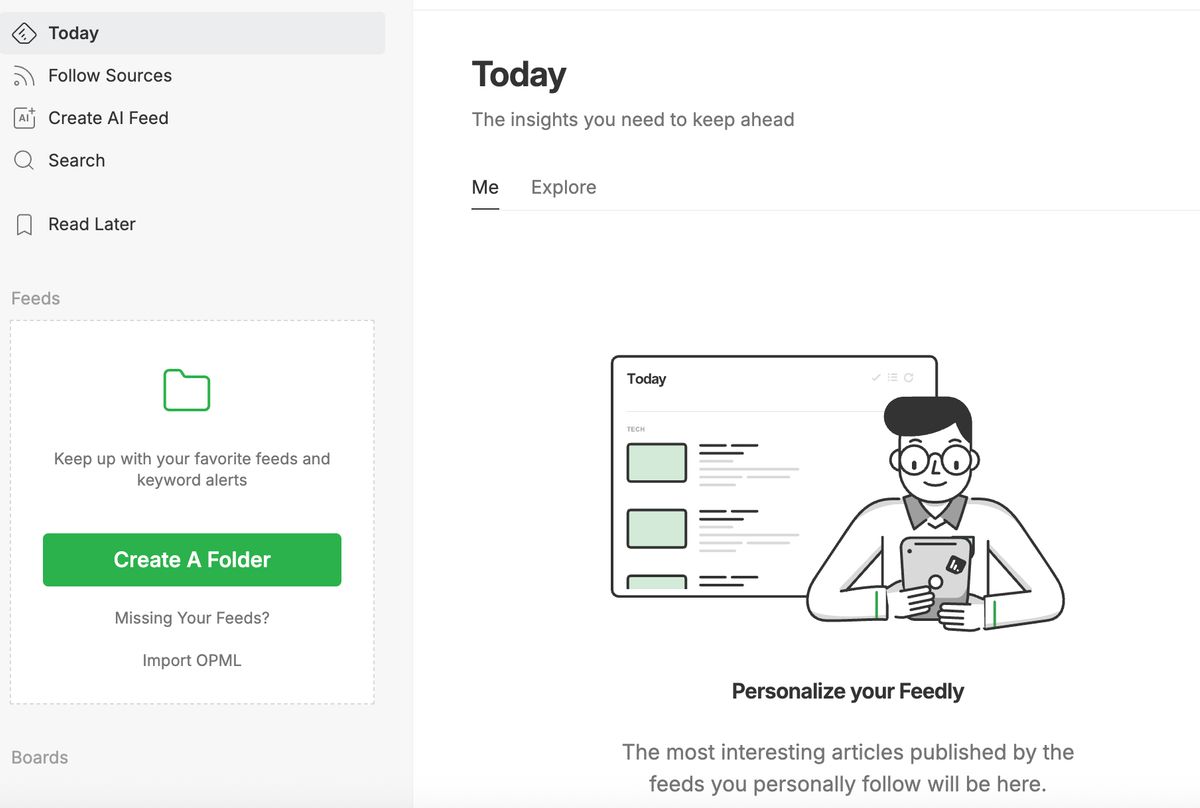
Feedly remains the gold standard for users who want granular control over their sources. It has evolved from a simple reader to a threat intelligence hub.
- Core Capabilities:
- Leo AI: Mute filters and prioritization engines to block repetitive PR releases.
- OPML Import/Export: Crucial for professionals migrating from legacy systems or backing up source lists.
- Team Boards: Shared spaces for collaborative annotation.
- Trade-offs: The mobile UI can feel dense; "Leo" AI features are locked behind premium tiers.
3. BuzzSumo: Metrics-Driven Intelligence
Best For: Content Strategists & Viral Analysis.
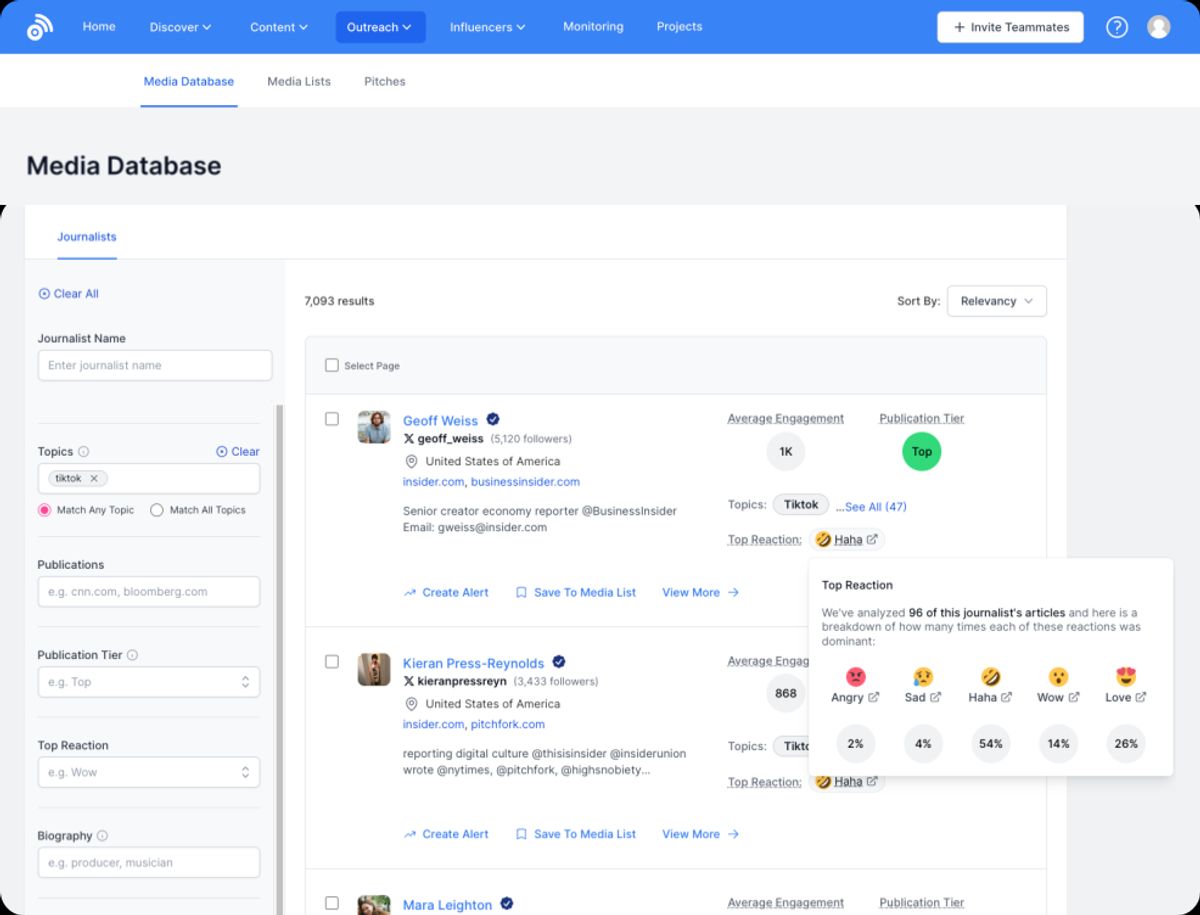
BuzzSumo is less of a "reader" and more of a "validator." It uses hard data to tell you what content is actually performing, removing intuition from the equation.
- Core Capabilities:
- Evergreen Score: A proprietary metric that identifies content maintaining value over time, not just viral spikes.
- Backlink Monitor: See who is linking to curated content.
- Influencer Identification: Find the key voices behind the trends.
- Trade-offs: Expensive for individuals; steep learning curve for non-marketers.
4. Scoop.it: The Publishing Engine
Best For: Thought Leadership & Curated Newsletters.
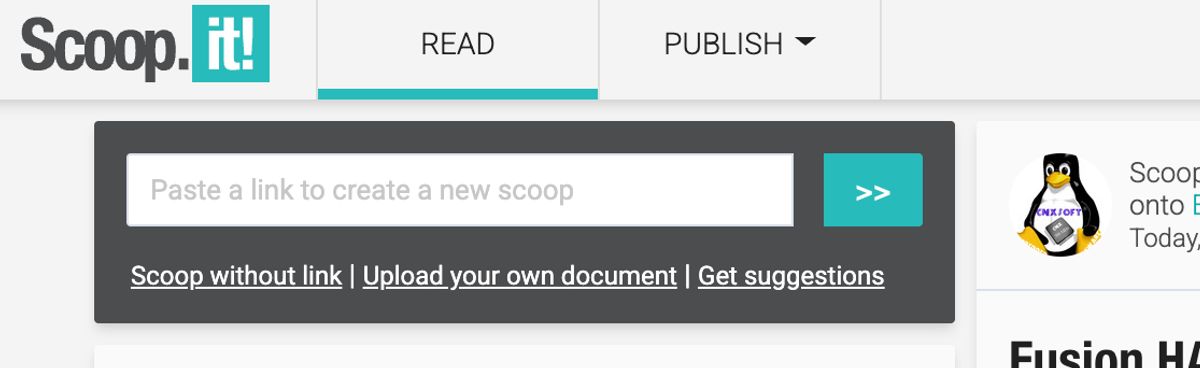
Scoop.it bridges the gap between curation and CMS. It excels in workflows where the end goal is to publish a curated page or newsletter with minimal friction.
- Core Capabilities:
- Curator’s View: Interface designed for quick annotation before sharing.
- Suggestion Engine: Learns from your specific publishing history to refine recommendations.
- CMS Integration: Direct publishing to WordPress and other platforms.
- Trade-offs: The interface is functional but dated; the free version is severely limited.
5. ContentStudio: The Agency OS
Best For: Social Media Agencies & Multi-Account Management.
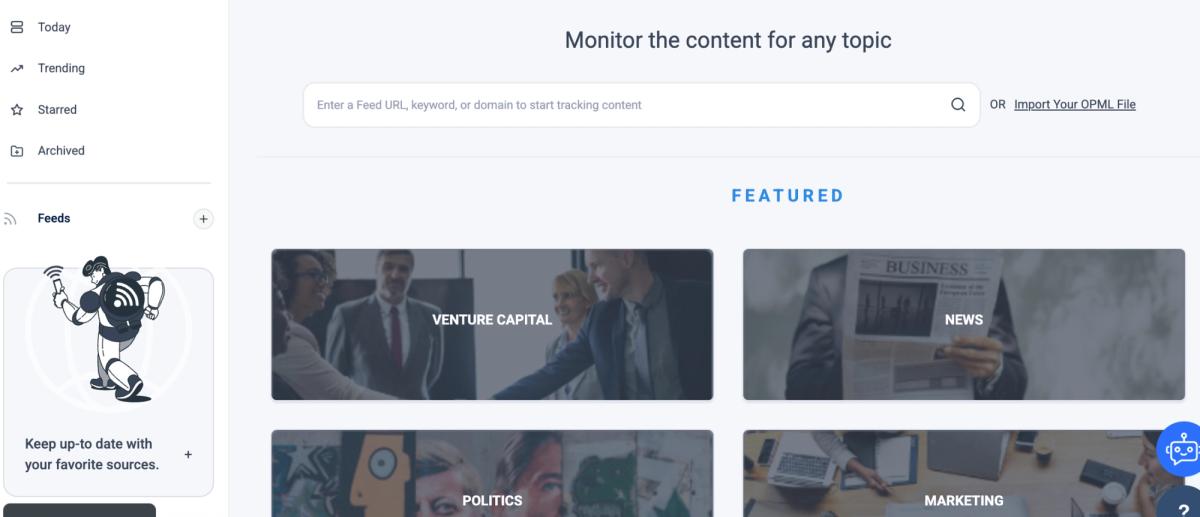
If your workflow involves managing distinct content streams for multiple clients, ContentStudio is the integrated solution. It combines discovery with a robust social scheduler.
- Core Capabilities:
- White-label Approval Workflow: Essential for agencies to get client sign-off before posting.
- Unified Dashboard: Manage discovery, curation, and analytics in one view.
- Trending Content: Filters content by "Virality" score.
- Trade-offs: Feature-rich environment can be overwhelming for solo users; overkill for simple monitoring.
6. Quuu: Human-Verified Safety
Best For: "Set it and Forget it" Social Growth.
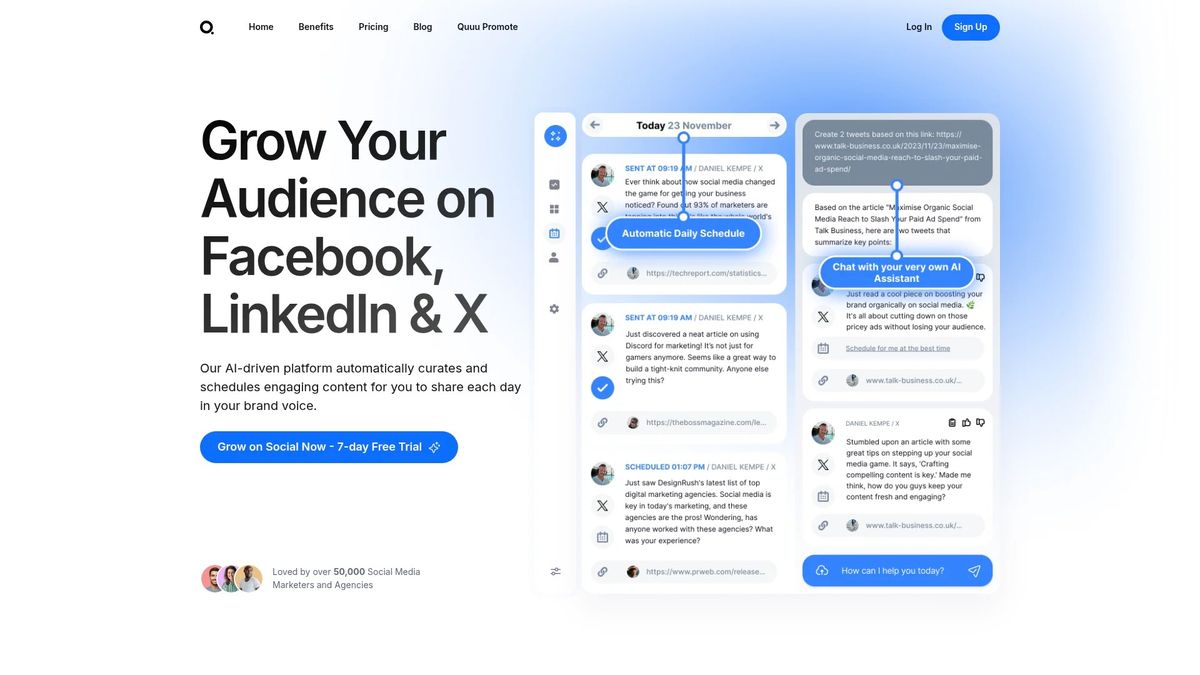
Quuu differentiates itself by using a "Human-in-the-loop" model. While AI helps surface content, their "Robin" system ensures categories are reviewed by real humans.
- Core Capabilities:
- Quality Assurance: Double-layer verification (AI + Human) prevents sharing low-quality spam.
- Brand Voice Matching: Analyzes historical engagement to suggest relevant tones.
- Auto-Scheduling: optimize posting times for LinkedIn and X.
- Trade-offs: Limited personalization compared to AI agents; relies on trusting Quuu's editorial judgment.
7. Curata: Enterprise Governance
Best For: Large B2B Enterprises & Compliance.
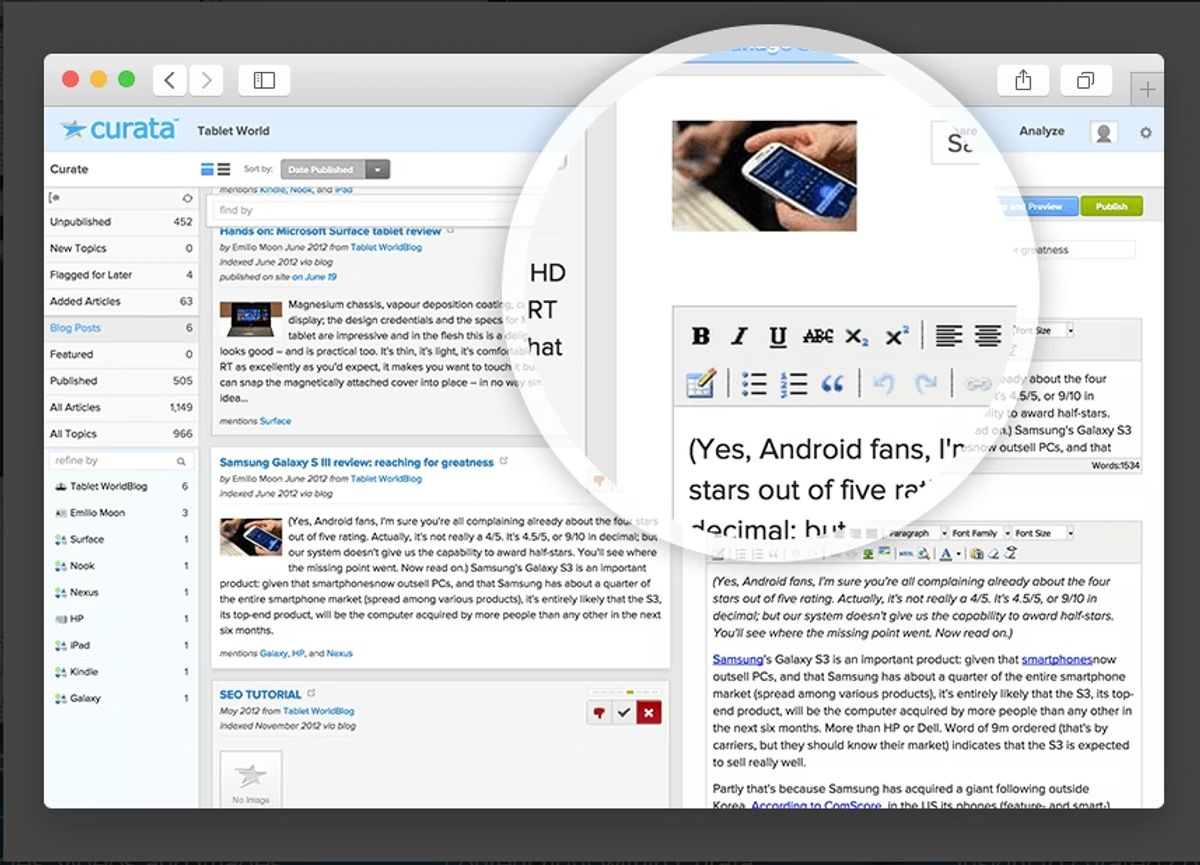
Curata is built for organizations where content governance is as important as discovery. It utilizes a self-learning engine that adapts to specific enterprise vocabularies.
- Core Capabilities:
- Compliance filters: Ensures shared content aligns with strict brand guidelines.
- Marketing Automation Integration: Feeds content directly into Marketo or Eloqua pipelines.
- Self-Learning Engine: Specifically trained on B2B taxonomies.
- Trade-offs: High price point; requires a dedicated team for configuration and management.
8. UpContent: The Engagement Predictor
Best For: Employee Advocacy & Sales Enablement.
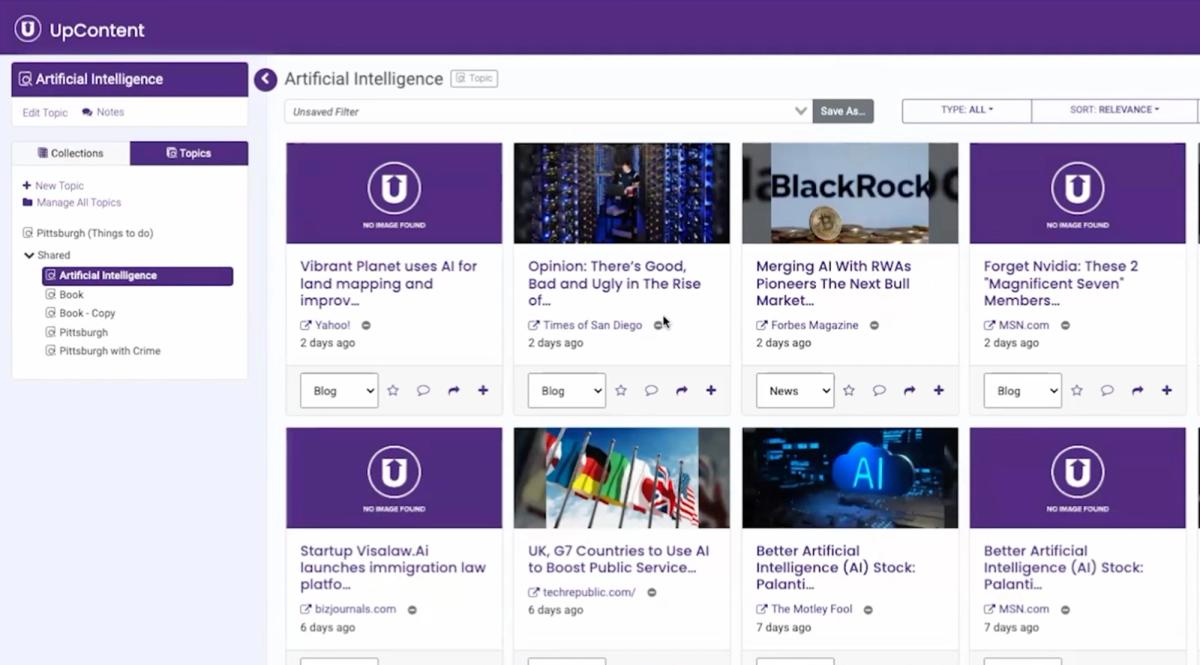
UpContent focuses on "Smart Sort," an algorithm that ranks articles not by date, but by predicted shareability.
- Core Capabilities:
- Smart Sort: Ranks content based on historical audience engagement data.
- Bias Elimination: Removes curator bias by focusing on data-driven predictions.
- Sales Integration: Connects with sales enablement tools to help reps start conversations.
- Trade-offs: Lower brand recognition; requires time to accumulate enough data for accurate predictions.
9. Flipboard: The Visual Experience
Best For: Mobile Consumption & Design Inspiration.
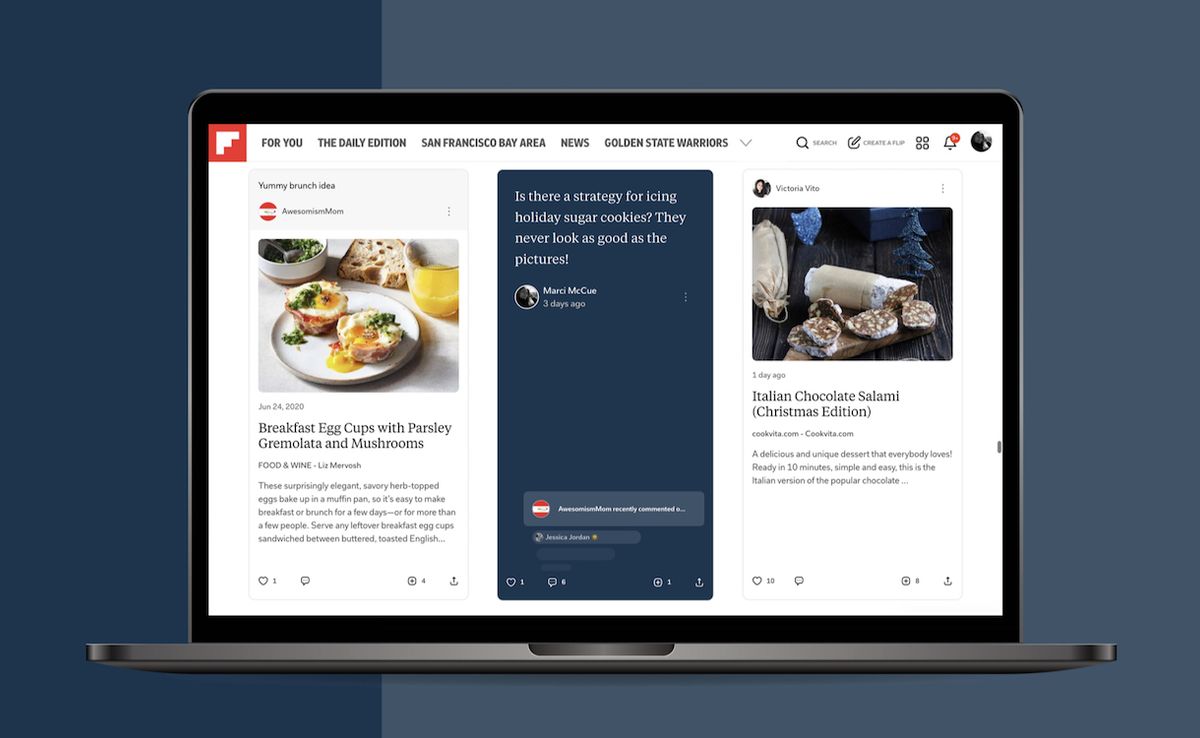
Flipboard remains unrivaled for visual fidelity. For curators in design, fashion, or consumer tech, the "Smart Magazine" layout offers a reading experience that text-heavy lists cannot match.
- Core Capabilities:
- Smart Magazines: Automatically repackages web content into a coherent, visual narrative.
- Mobile-First Design: Best-in-class offline reading and gesture controls.
- Social Integration: Easy sharing to standard social networks.
- Trade-offs: Not designed for professional data analysis; limited keyword filtering capabilities.
Selection Framework: Choosing Your Stack
In 2026, the "one tool fits all" approach is obsolete. Most high-performing professionals utilize a hybrid stack based on their specific objectives:
- For Deep Research & Monitoring:Use NBot.ai. Its agent-based approach is superior for tracking niche verticals and unstructured data where you need to build long-term expertise.
- For Broad News Scanning:Feedly remains the best utility player for general industry updates, especially if you rely on OPML files.
- For Marketing Execution:If you need to prove ROI or manage client feeds, BuzzSumo (for data) or ContentStudio (for agencies) are the professional choices.
Final Verdict: The competitive advantage lies not in the software itself, but in how precisely you define the topics you monitor. Start with a tool that allows for "Active Retrieval" rather than passive scrolling.
FAQs
Q: How do AI tools understand interests?
A: Through behavioral tracking—reading patterns, clicks, saves, shares, time spent on topics. Advanced tools like NBot.ai use natural language processing, understanding concepts you describe rather than just matching keywords. Models improve continuously with use.
Q: Will these tools create filter bubbles?
A: Potential exists, but quality tools help prevent it. Key strategies: deliberately subscribe to diverse perspectives, regularly review topic settings. Combine automated curation with conscious exploration beyond usual interests.
Q: What differentiates enterprise from personal tools?
A: Enterprise versions include team collaboration, governance systems, compliance controls, advanced analytics, custom integrations, dedicated support, more powerful AI. Also greater scalability and security. However, for small teams or individuals, these extras often don't justify substantially higher costs.
Q: How many tools do I need?
A: Depends on requirement complexity. Most professionals use 2-3 for different purposes: deep monitoring, broad coverage, data-driven discovery. Ensure complementary rather than duplicate functionality—each filling specific roles in your information ecosystem.